Odisha’s Sweet Heritage: Celebrating Festivals with Kanika made special with Pragati Gobindobhog Rice.
9 September, 2025

Odisha, the land of temples and traditions, treasures its cultural heritage through food, festivals, and rituals. At the heart of this richness lies a sacred grain-rice. For Odias, rice is more than nourishment; it is a symbol of purity, prosperity, and devotion. From temple offerings to wedding feasts, rice carries both emotional and spiritual significance.
Among Odisha’s celebrated rice dishes, Kanika stands out for its golden sweetness and its connection to temples. Prepared with ghee, sugar, and fragrant spices, Kanika is a festive delicacy and one of the famous Mahaprasad dishes offered to Lord Jagannath. Today, families across Odisha continue to prepare this heritage recipe, and when made with Pragati Gobindobhog Rice, the dish truly comes alive with authenticity.
Rice in Odisha’s Festivals & Culture
In Odisha, rice is not just food; it is part of every ritual and festival. Some examples include:
Kanika – The Golden Sweet Rice of Odisha
Kanika is one of the oldest festive dishes of Odisha, historically prepared during pujas, temple offerings, and weddings. Unlike plain pulao, Kanika is enriched with ghee, sugar or jaggery, raisins, and aromatic spices.
The Jagannath Temple holds a special place as part of Mahaprasad, symbolising prosperity and sweetness in life. Its golden hue and fragrance of cardamom make it a centrepiece during Odia celebrations.
Traditional Kanika Recipe (with Pragati Gobindobhog Rice)
Ingredients (Serves 4-5)
Preparation
Step 1: Prepare the Rice
Tip: Gobindobhog rice is naturally soft, so avoid over-soaking.
Step 2: Fry Nuts & Raisins
Tip: Fry on low flame to avoid burning, as raisins can blacken quickly.
Step 3: Temper the Spices
Tip: The aroma of ghee-roasted spices is the base flavour of Kanika—don’t skip this step.
Step 4: Toast the Rice
Tip: This step ensures that the rice grains remain fluffy and separate after cooking.
Step 5: Cook the Rice
Tip: Do not stir too often—this can break the soft Gobindobhog grains.
Step 6: Sweeten & Flavour
Tip: Always add sugar after the rice is mostly cooked adding it too early makes the grains sticky.
Step 7: Final Steam (Dum Cooking)
Tip: Resting allows flavours to settle and the rice to fluff up beautifully.
Cooking Tips
Serving Suggestions
Variations of Kanika
Why Pragati Gobindobhog Rice for Kanika?
With Pragati Gobindobhog Rice, Kanika is more than just food; it’s a taste of Odisha’s cultural heritage, carrying temple authenticity straight to your festive kitchen.
Kanika is not only a dish but also a symbol of Odisha’s devotion, tradition, and togetherness. Its golden sweetness, when cooked with Pragati Gobindobhog Rice, brings back the true essence of festive flavours.
Because every festival deserves the sweetness of tradition, and every tradition deserves the touch of Pragati Gobindobhog Rice.
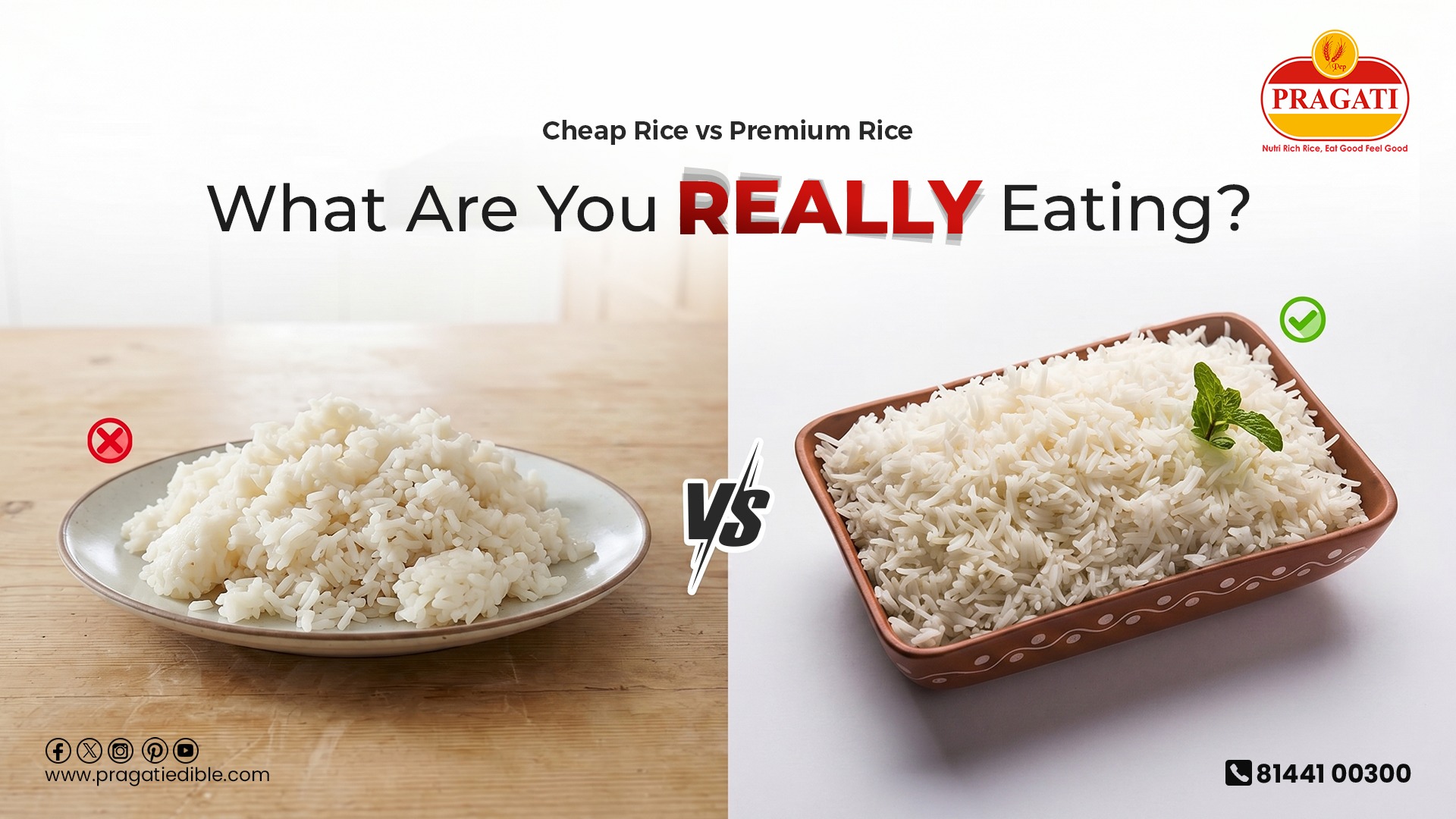
Not all rice is equal—polishing may improve looks but reduces nutrition. Learn...
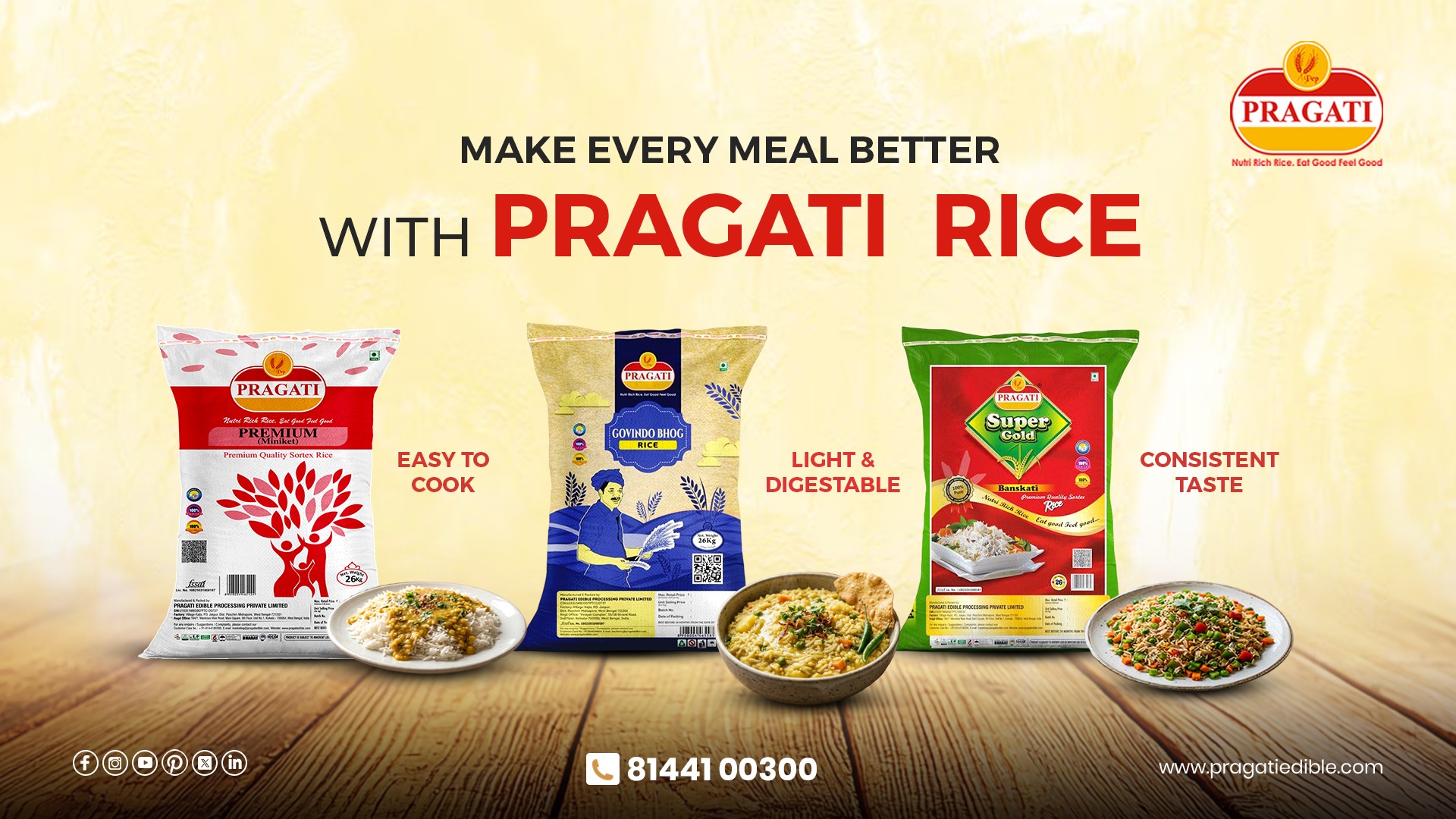
Confused between Miniket, Banskati, and Gobindobhog rice? Discover their unique ...
Rice is more than a staple—it’s a global story of culture and farming. With ...
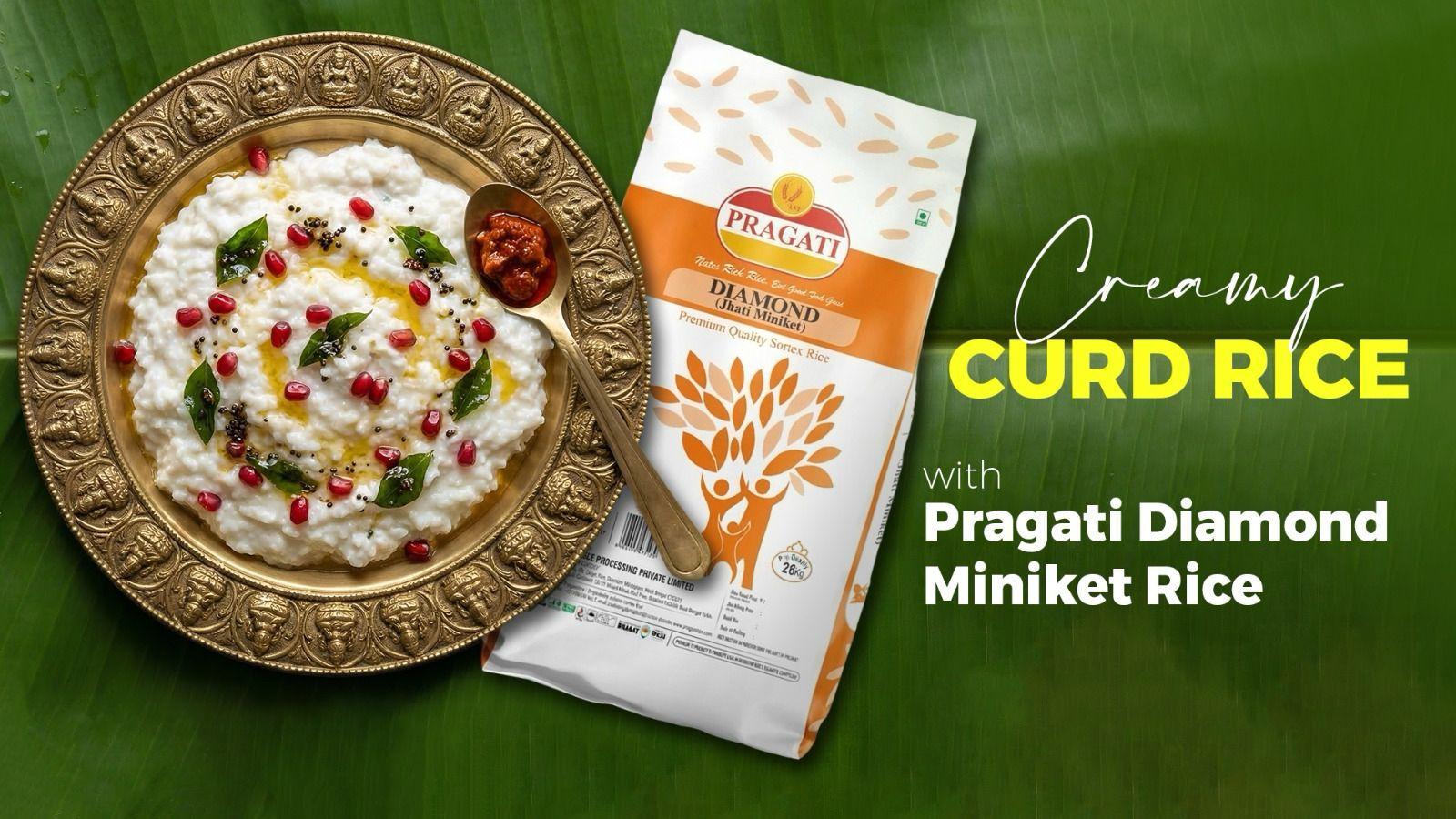
A comforting bowl of curd rice made with soft Pragati Diamond Miniket Rice. Crea...

Discover the bold flavours of Korean-Gobi Fried Rice — crispy cauliflower mee...
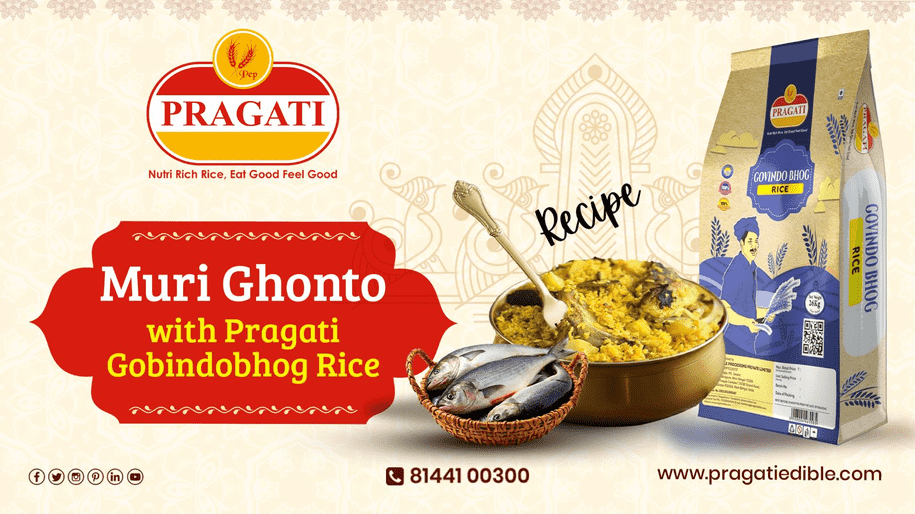
Cook authentic Bengali Muri Ghonto with fish head and Pragati Gobindobhog Rice. ...