Korean-Gobi Fried Rice: A Global Twist Made Perfect with Pragati Super Gold Banskati Rice.
18 November, 2025
Korea’s love for vibrant flavours and India’s love for wholesome rice come together in this fusion favourite – Korean-Gobi Fried Rice. A dish that celebrates spice, crunch, and comfort, this recipe transforms the humble cauliflower (gobi) into a star ingredient. And when made with the finest Pragati Rice, every grain soaks up the tangy-sweet-spicy sauce beautifully, delivering a satisfying meal that’s both hearty and healthy.
Just like Korea’s kimchi and bibimbap, fried rice here isn’t just food – it’s a feeling of warmth, sharing, and flavourful joy. Perfect for weeknights, gatherings, or even lunchboxes, this Indo-Korean fusion is sure to be your next kitchen favourite.
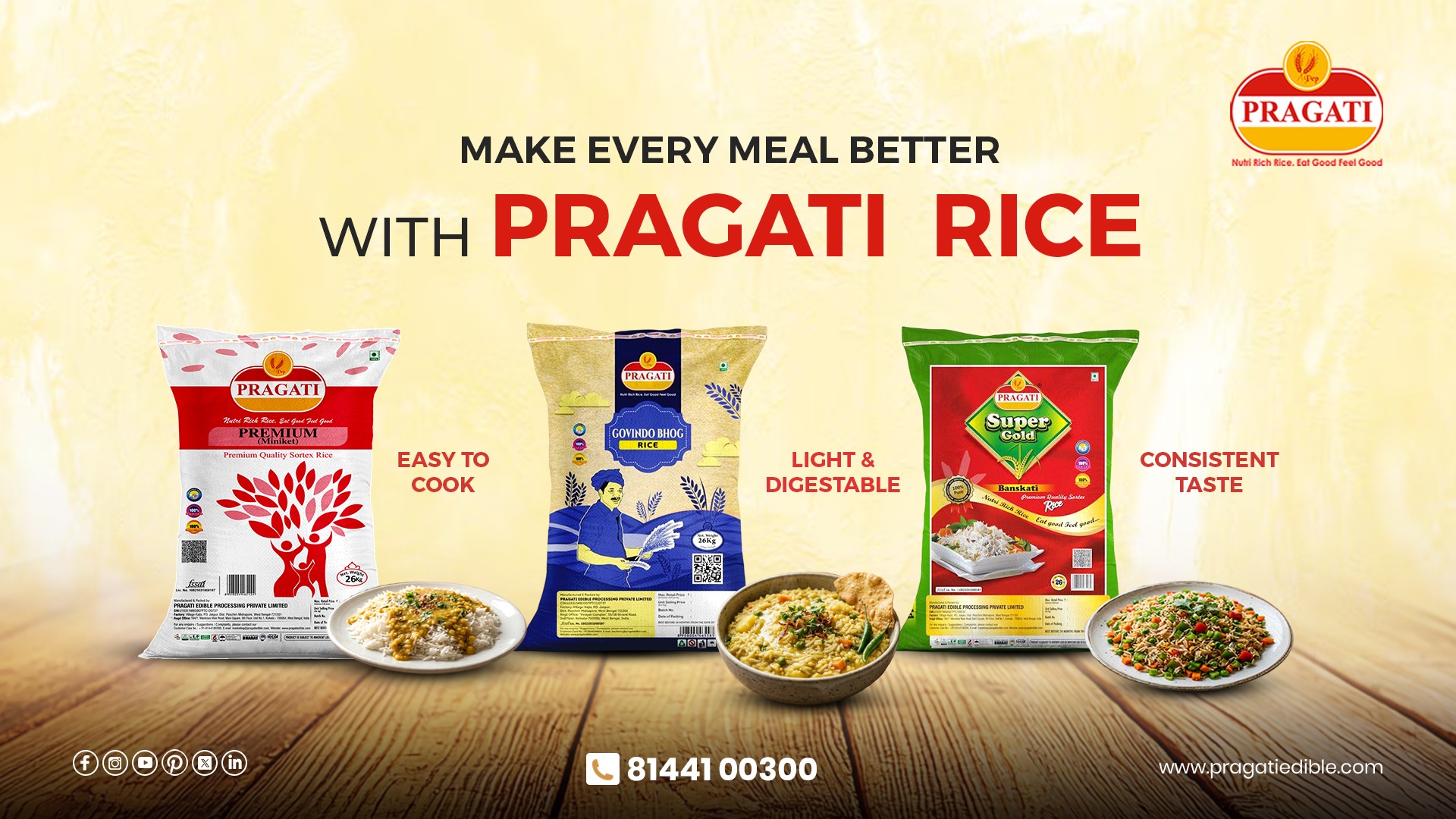
Why Pragati Super Gold Banskati Rice for Korean Fried Rice?
- Perfect Grain Texture: Firm yet fluffy, ideal for fried rice.
- Non-sticky and absorbent: Each grain carries the smoky, umami-rich flavours perfectly.
- Consistent Quality: Uniform grains ensure even stir-frying without clumps.
Ingredients (Serves 3–4)
For the Rice:
- 2 cups Pragati Super Gold Banskati Rice (cooked and cooled for 1-2 hours)
- 1 tbsp sesame oil (or any neutral oil)
For the Gobi (Cauliflower):
- 2 cups cauliflower florets
- 2 tbsp cornflour
- 1 tbsp rice flour
- Salt & pepper to taste
- Oil for frying
For the Sauce:
- 2 tbsp gochujang (Korean chilli paste) or red chilli sauce
- 1 tbsp soy sauce
- 1 tbsp vinegar
- 1 tsp sugar or honey
- 1 tbsp tomato ketchup
- 2 tbsp water
For Stir-Frying:
- 1 tbsp sesame oil
- 1 tbsp garlic (minced)
- ½ cup onion (chopped)
- ½ cup bell peppers (mixed colours, diced)
- ½ cup spring onions (chopped, green and white parts separated)
- ½ tsp black pepper
- Salt as required
- Sesame seeds (for garnish)
Step-by-Step Preparation
Step 1: Prepare the Rice
- Cook Pragati Super Gold Banskati Rice until just done – grains should be firm, not mushy.
- Spread it out on a tray to cool completely.
Tip: Use cooked and cooled rice for 1-2 hours for the best texture – it fries beautifully and stays separate.
Step 2: Fry the Cauliflower
- Blanch the florets in hot water for 2 minutes, then drain.
- Toss them in a mix of cornflour, rice flour, salt, and pepper.
- Shallow or deep-fry until golden and crisp.
- Keep aside on absorbent paper.
Tip: Don’t overcrowd the pan while frying; crispness comes from space and heat.
Step 3: Make the Korean Sauce
- In a small bowl, whisk together gochujang, soy sauce, vinegar, sugar/honey, ketchup, and water.
- Adjust spice and sweetness to taste – Korean fried rice is bold but balanced.
Step 4: Stir-Fry the Base
- Heat sesame oil in a wok or kadhai.
- Add garlic and sauté until golden and aromatic.
- Add onions, bell peppers, and the white part of spring onions. Stir-fry on high flame for 2–3 minutes until slightly charred.
Step 5: Add Rice & Sauce
- Add the cooked Pragati Rice and the prepared sauce.
- Toss everything quickly on a high flame until each grain is evenly coated and glossy.
- Sprinkle black pepper and a little salt if needed.
Step 6: Add Fried Gobi
- Gently fold in the crispy cauliflower.
- Stir for 1–2 minutes so that the cauliflower soaks in the sauce yet stays crunchy.
Step 7: Finish & Garnish
- Turn off the heat. Add chopped spring onion greens.
- Sprinkle sesame seeds for an authentic Korean touch.
Serving Suggestions
- Serve hot with a side of kimchi or crispy papad for an Indo-Korean twist.
- Add a fried egg or tofu cubes for a protein boost.
- Great as a lunch or dinner bowl with chilled lemonade or iced tea.
Cooking Tips
- Use cold Pragati Rice to prevent stickiness.
- Gochujang adds authentic Korean depth; substitute with chilli garlic sauce if unavailable.
- Stir-fry on high heat for that perfect “wok-hei” smoky aroma.
Why This Recipe Works
Korean-Gobi Fried Rice bridges two culinary worlds — the zest of Korean flavours and the purity of Indian rice traditions. With Pragati Rice, the dish achieves the ideal texture: each grain holding its shape, absorbing spices, and carrying the crunch of golden cauliflower. It’s a recipe that celebrates fusion cooking while staying rooted in quality and taste.
Because even global flavours taste better when made with Pragati Rice — the grain of purity, trust, and tradition.