Poila Baisakh marks the first day of the Nobo Borsho (new year) of the Bengali calendar. The festival is celebrated among the Bengali communities in India and falls around mid-April as per the Gregorian calendar. The occasion is commemorated with a lot of pomp and show, and people enjoy this occasion by spending time with their families and friends.
You would be amazed to know about the inception of the Bengali calendar. It was instituted by the Mughal Emperor Akbar in the 15th century. Agricultural activities, especially harvesting of rice has been the mainstay of the Indian economy for the longest time. And the new calendar was introduced due to the levying of taxes. This unique Bengali calendar is a mix of both the Hindu solar and Hijri lunar calendars and was launched in 1584.
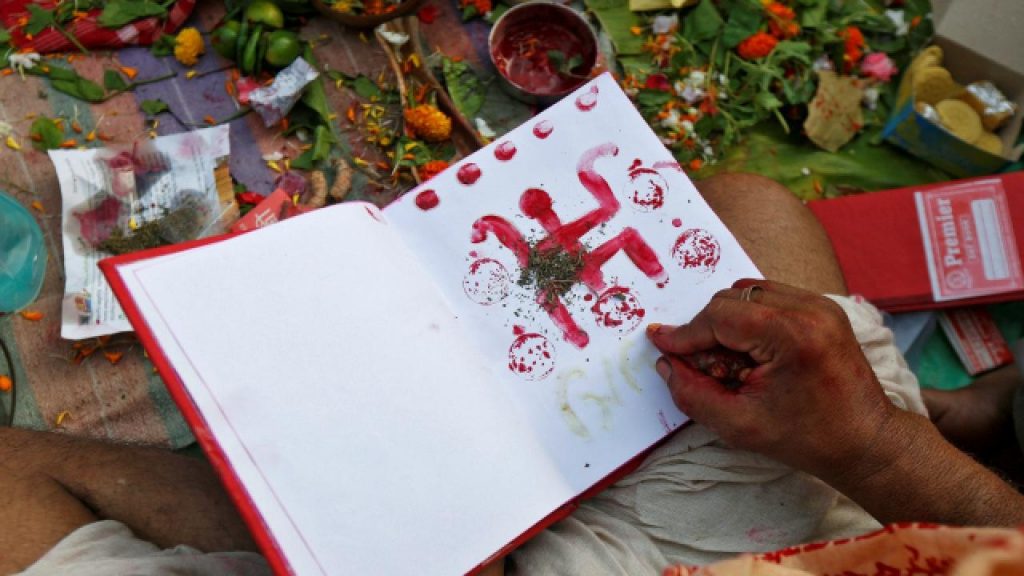
Usually, the day begins with prayers being offered to Laxmi and Ganesha. Laxmi is associated with wealth and prosperity and she is regarded as Annapurna (provider of a bounty of rice). The prayers are offered in the hope of a healthy and flourishing year ahead. Poila Baisakh is also the beginning of the harvest season (especially rice) in West Bengal, so the people also worship the clouds. A traditional custom is involved wherein a special breakfast consisting of soaked rice, fried fish, onions and green chilies are consumed. The inauguration of the Haalkhata or new accounts register is another traditional practice observed on Poila Baisakh, the ideal day to begin new ventures.
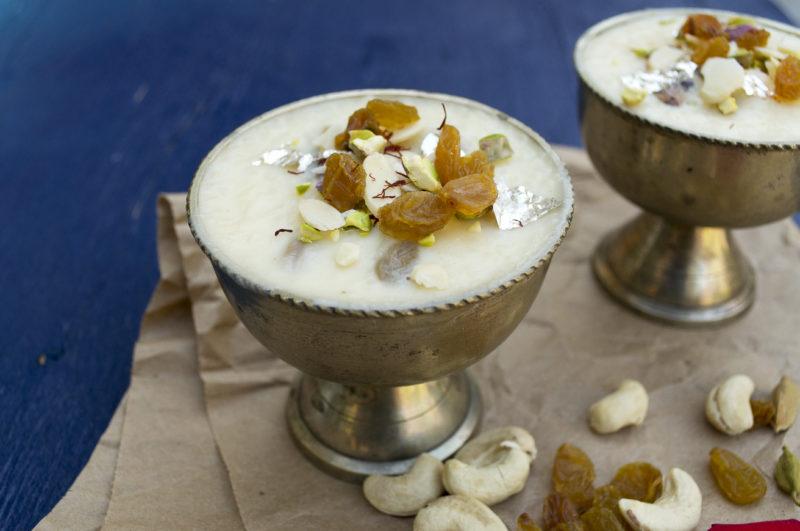
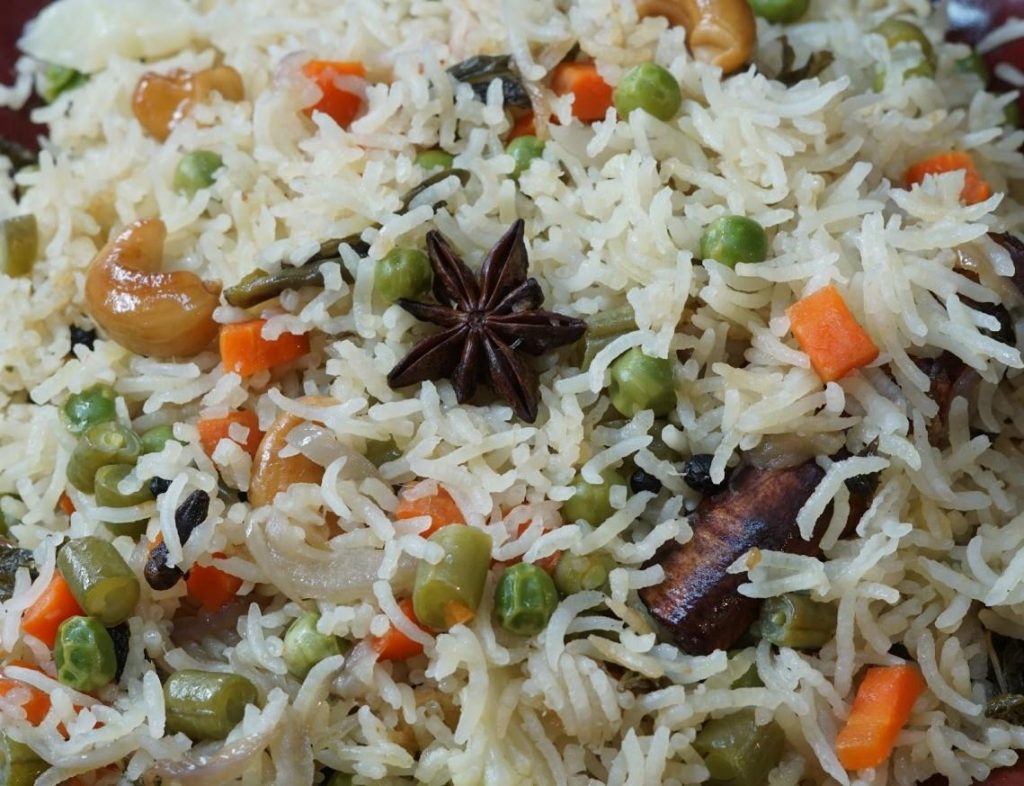
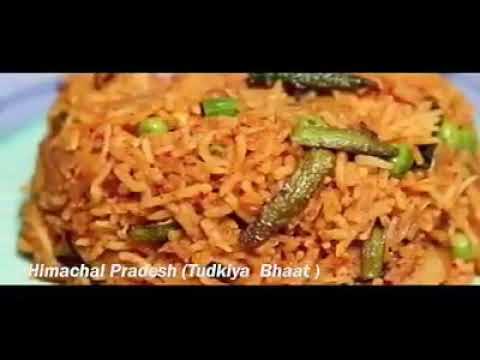
Among the traditional Bengali dishes prepared on this day, Bengali veg pulao or fried rice is one of the key items. This is served hot both during lunch and dinner. Enjoying the mouth-watering items with close relatives and sharing memorable stories and moments is something which you can cherish for a long time! Following the main course, comes the icing on the cake- Chaler Payesh as dessert! Chaler Payesh is a delicious dessert, a variant of sweet and milky kheer made with rice, and it completes the Poila Baisakh menu. Are you feeling tempted? Well, it’s only a few days wait following which you can enjoy these amazing dishes!
Celebrate this Poila Baisakh with lots of gusto and fun and do let us know how you enjoyed this day. Subho Noboborsho to everyone!