Rice Trails of India: Taste the Regional Delights
27 January, 2026
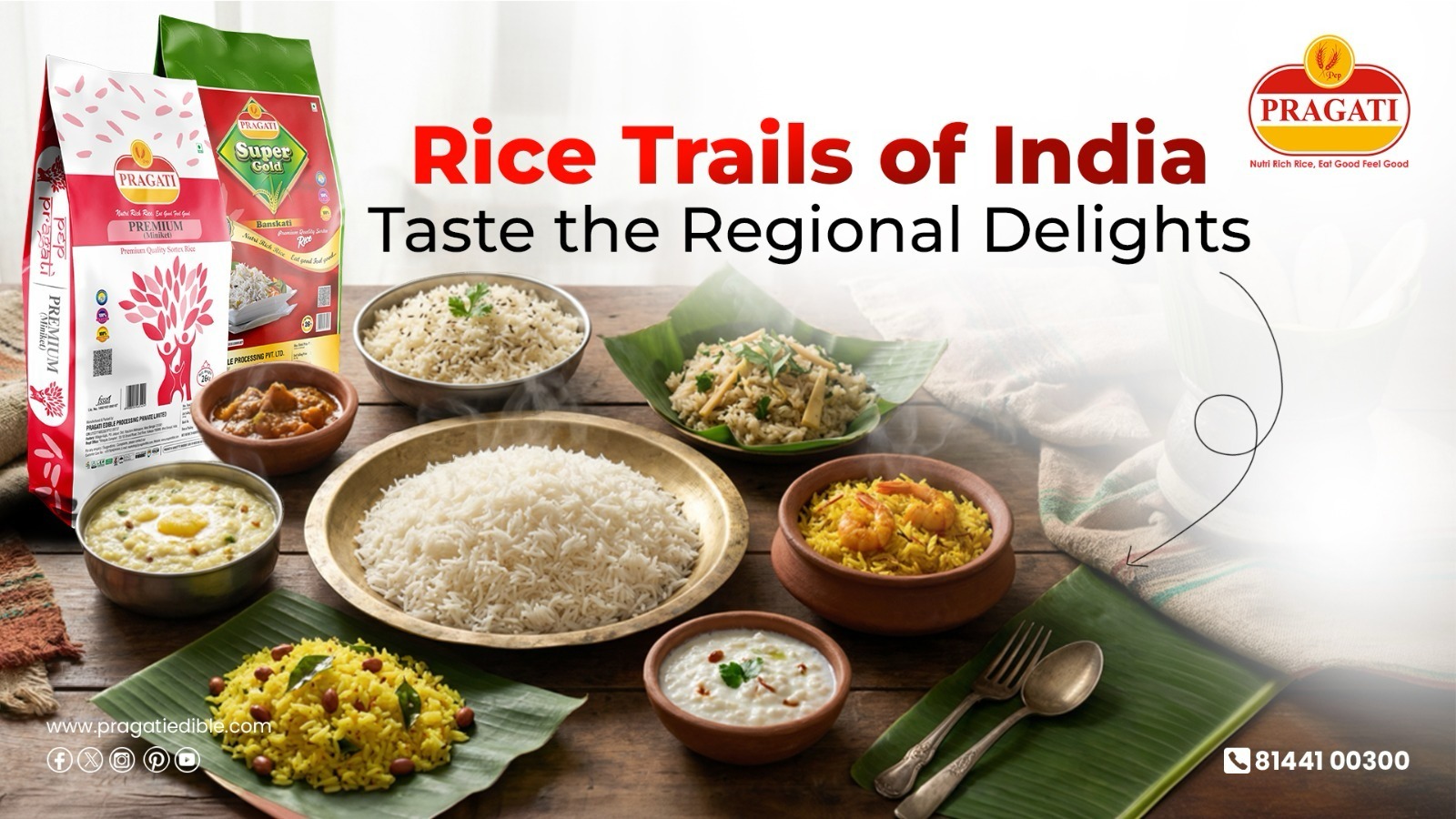
In India, rice is more than a staple. It is memory, ritual, and comfort served warm on a plate. From festive feasts to everyday meals, rice travels quietly through our lives, absorbing flavours, stories, and regional identities along the way. Each grain carries the character of the land it grows in and the people who cook it.
This journey across India’s rice trails is an invitation to explore the country through its regional rice varieties and traditional dishes. It’s also a reminder of why choosing a trusted, culturally rooted rice brand matters, because when rice is at the centre of the meal, quality makes all the difference.
India is home to thousands of rice varieties, shaped by climate, soil, and centuries of culinary tradition. From aromatic long grains to soft, short varieties meant for comfort foods, rice changes character every few hundred kilometres.
Understanding rice varieties of India is the first step to appreciating regional cuisines; not all rice is meant to taste or behave the same, and that diversity is exactly what makes Indian food so rich.
In North India, rice often plays a supporting yet essential role in celebratory meals. Long-grain varieties are preferred for their ability to stay separate and visually appealing.
Here, rice is about balance – neutral enough to carry bold flavours, yet present enough to complete the meal.
Western Indian cuisine uses rice in ways that are practical, comforting, and deeply regional.
The emphasis is less on aroma and more on consistency and familiarity, rice that feels like home.
In South India, rice is not just one part of the meal; it is the meal. Different preparations demand different textures, and rice adapts effortlessly.
Rice here transforms constantly, showing just how versatile a single grain can be when grown and processed with care.
Eastern India, especially West Bengal, Odisha, and Assam, has a deeply emotional relationship with rice. Meals are often centred on plain steamed rice, allowing the grain’s natural taste and texture to shine.
This region values rice that feels familiar, dependable, and deeply tied to tradition. It’s no surprise that Pragati Rice, rooted in West Bengal, draws inspiration from this cultural respect for rice – where quality is judged not by appearance alone, but by how it feels on the plate and in memory.
The North-East introduces rice varieties that many Indians are only beginning to rediscover. Sticky, aromatic, and often minimally processed, these grains reflect indigenous food practices.
These traditions remind us that rice is not a uniform product; it is shaped by ecology, heritage, and community.
One of the most overlooked aspects of Indian cooking is matching the rice to the recipe. Using the right grain enhances taste, texture, and overall experience.
A premium rice brand focuses on:
This is where brands like Pragati Rice quietly earn trust, by offering rice that fits seamlessly into everyday Indian cooking while honouring regional expectations.
Across India, rice connects festivals, family gatherings, and daily routines. It is offered during rituals, shared at weddings, and remembered long after meals end. The rice on your plate often tells a story about where you come from – or where you’ve travelled.
Exploring Indian regional rice dishes isn’t about chasing novelty. It’s about slowing down and noticing how something as simple as rice changes from state to state, kitchen to kitchen.
As Indian kitchens evolve, there’s a renewed interest in authenticity, knowing where food comes from and how it fits into tradition. Rice trails don’t end on highways or maps; they end at dining tables, in familiar aromas, and in recipes passed down quietly.
For households that care about quality, consistency, and cultural connection, choosing the right rice matters. Brands grounded in regional understanding, like Pragati Rice, become part of that story, not by shouting, but by belonging.
Because in India, rice isn’t just cooked. It’s lived.
Travel across India through its rice traditions—from fluffy northern grains to...
Discover why rice tops your plate with unbeatable health benefits, versatile rec...
Discover 5 foolproof tips for cooking perfect rice every time—fluffy, flavorfu...

Discover the bold flavours of Korean-Gobi Fried Rice — crispy cauliflower mee...
Cook authentic Bengali Muri Ghonto with fish head and Pragati Gobindobhog Rice. ...
Durga Puja celebrations are incomplete without Payesh - Bengal’s timeless fest...