The Incredible Diversity of Rice: Over 40,000 Varieties Globally
17 March, 2026
Rice is more than just a staple on the plate – it is a story of culture, soil, and tradition. Across the world, billions of people begin their meals with rice. From the comforting bowl of steamed rice served with dal in Indian homes to fragrant rice dishes prepared for celebrations, this humble grain carries centuries of agricultural wisdom and culinary heritage.
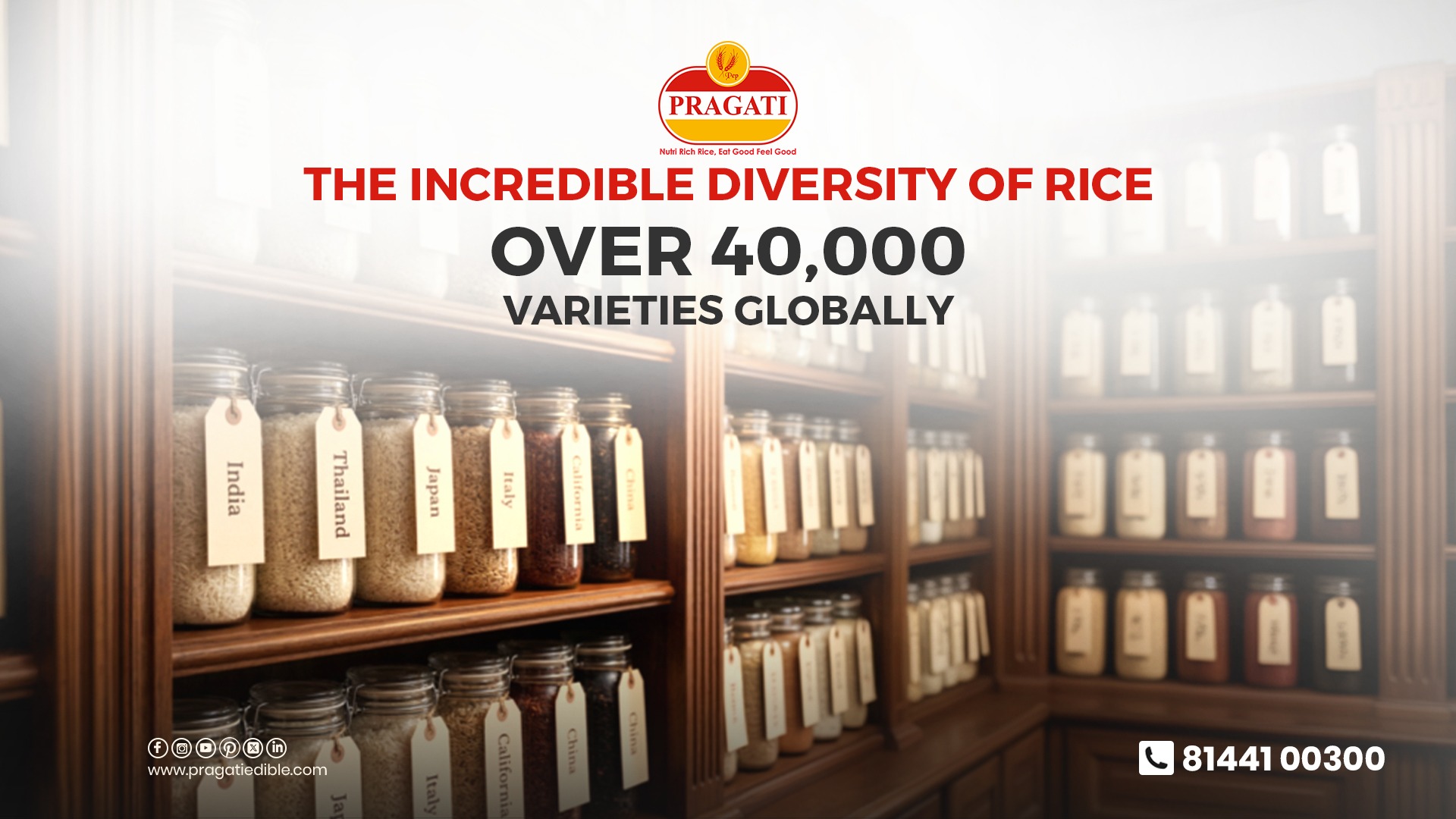
What many people may not realise is that there are over 40,000 varieties of rice grown around the world. Each variety reflects a unique climate, farming tradition, and cooking style. Some grains are long and aromatic, some are soft and sticky, and others carry natural colours like red or black. This remarkable diversity makes rice one of the most fascinating crops in global agriculture.
For everyday consumers, choosing rice often starts with simple factors – colour, grain length, aroma, and price. However, there are several other aspects that define the quality and experience of rice on the plate. Understanding these factors helps households appreciate rice not just as a staple, but as an ingredient shaped by careful cultivation and processing.
Rice feeds more than half of the world’s population and is deeply rooted in everyday life across Asia, Africa, and parts of Latin America. Countries like India, China, Indonesia, Bangladesh, and Vietnam rely heavily on rice for daily meals and traditional cuisine.
Over thousands of years, farmers have cultivated different rice varieties suited to their local environments. Some varieties thrive in flooded fields, while others grow in upland conditions. Some produce aromatic grains perfect for festive dishes, while others are ideal for everyday cooking.
This natural evolution and selective cultivation have resulted in the vast diversity of rice varieties we see today.
Although there are tens of thousands of rice varieties globally, most can be grouped into a few broad categories based on grain shape and cooking characteristics.
Long-grain rice is slender and elongated. When cooked, the grains remain light and separate. This makes it ideal for dishes where fluffy rice is preferred.
Popular examples include basmati and jasmine rice, both known for their fragrance and delicate texture. These varieties are commonly used in dishes like biryani, pulao, and fried rice.
Medium-grain rice is slightly shorter and plumper than long-grain rice. When cooked, it becomes soft with a gentle stickiness. This type of rice works well in dishes where grains need to hold together slightly while maintaining their shape.
Short-grain rice has a rounder shape and becomes softer and stickier when cooked due to its natural starch content. It is widely used in many Asian cuisines where rice needs to hold together, such as sushi or rice bowls.
Each of these categories demonstrates how rice varieties are adapted to specific cooking traditions.
Some rice varieties are especially valued for their natural aroma. Aromatic rice contains compounds that release a pleasant fragrance when cooked.
Basmati Rice: Long grains and a distinctive aroma widely appreciated in South Asian cuisine.
Jasmine Rice: Slightly soft with a floral fragrance, popular in Southeast Asia.
Gobindobhog Rice: A short, aromatic rice widely used in Bengali cooking, especially during festive dishes.
These rice varieties often hold a special place in regional culinary traditions and are commonly used during celebrations and special occasions.
Rice Beyond White: Natural Colours and Unique Varieties
While white rice is the most commonly consumed type, rice naturally appears in several colours.
Brown Rice: Brown rice retains the outer bran layer, giving it a slightly nutty flavour and firmer texture compared to polished white rice.
Red Rice: Red rice gets its colour from natural pigments present in the bran layer. It has a distinctive earthy flavour and is used in several traditional cuisines.
Black Rice: Black rice has a deep purple-black colour and has historically been cultivated in parts of Asia. It is sometimes referred to as “forbidden rice” in historical texts due to its rarity.
These coloured varieties showcase the rich agricultural diversity of rice cultivation across the world.
India itself is home to thousands of rice varieties. Each region prefers a particular grain type based on its local cuisine.
In Eastern India, rice is central to daily meals. States like West Bengal, Odisha, Assam, Bihar, and Jharkhand have strong rice-based culinary traditions. From simple steamed rice served with vegetables and fish curry to festive rice dishes prepared during celebrations, rice remains an essential part of the food culture.
Different varieties are selected depending on the dish – some for softness, some for aroma, and others for their ability to absorb flavours.
While consumers often judge rice by appearance or price, quality rice involves several important factors.
Careful Sourcing: High-quality rice begins with selecting grains from reliable farming regions where soil and climate support consistent cultivation.
Proper Processing: Cleaning, grading, and careful milling help maintain the natural structure and appearance of the grain.
Consistent Grain Selection: Uniform grain size ensures even cooking and a better texture in prepared dishes.
Hygienic Packaging and Storage: Maintaining cleanliness during processing and packaging helps preserve the quality of rice until it reaches the consumer’s kitchen.
These practices ensure that the rice served on the plate reflects both the farmer’s effort and the processor’s attention to detail.
For households that cook rice every day, consistency and reliability matter. A trusted rice brand works quietly behind the scenes – sourcing grains carefully, processing them responsibly, and ensuring that the rice reaching consumers meets expected standards.
Brands like Pragati Rice focus on maintaining these essential practices so that families can enjoy dependable rice in their everyday meals. By prioritising proper grain selection and quality control, such brands aim to offer quality rice at a reasonable price, ensuring accessibility for a wide range of households.
The existence of over 40,000 rice varieties is not just fascinating – it is vital for the future of agriculture.
Different rice varieties are naturally adapted to different climates. Some perform better in drought conditions, while others grow well in flood-prone regions. Preserving this diversity helps farmers and researchers respond to changing agricultural conditions.
Rice diversity also protects culinary traditions. Many regional dishes depend on specific rice varieties that give them their authentic flavour and texture.
By valuing and preserving these varieties, we ensure that both agriculture and food culture continue to thrive.
Rice may appear simple, but its story is incredibly rich. With more than 40,000 varieties cultivated worldwide, rice reflects the diversity of landscapes, cultures, and culinary traditions across the globe.
From fragrant long-grain varieties to colourful traditional grains, each type of rice carries a unique identity shaped by generations of farmers and cooks.
For everyday households, choosing good rice is about more than just grain length or colour – it is about trusting the journey that brings the grain from the field to the kitchen.
And when that journey is handled with care, every meal begins with something simple yet extraordinary – a grain of rice that connects tradition, quality, and everyday nourishment.
Rice is more than a staple—it’s a global story of culture and farming. With ...
Rice is an everyday essential, and true quality goes beyond appearance or price....

From field to bowl, rice undergoes careful sourcing, milling, storage, quality c...
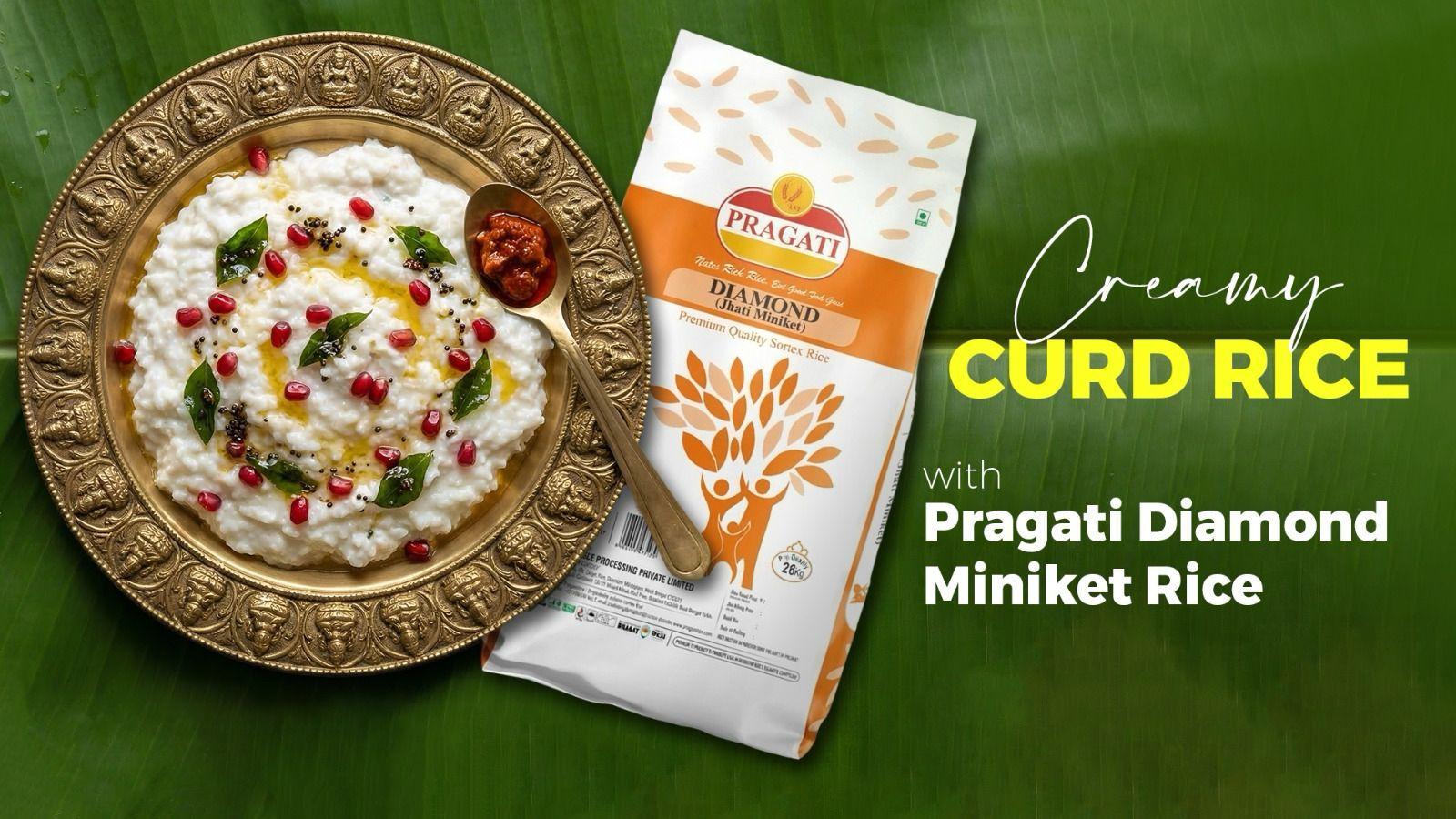
A comforting bowl of curd rice made with soft Pragati Diamond Miniket Rice. Crea...

Discover the bold flavours of Korean-Gobi Fried Rice — crispy cauliflower mee...
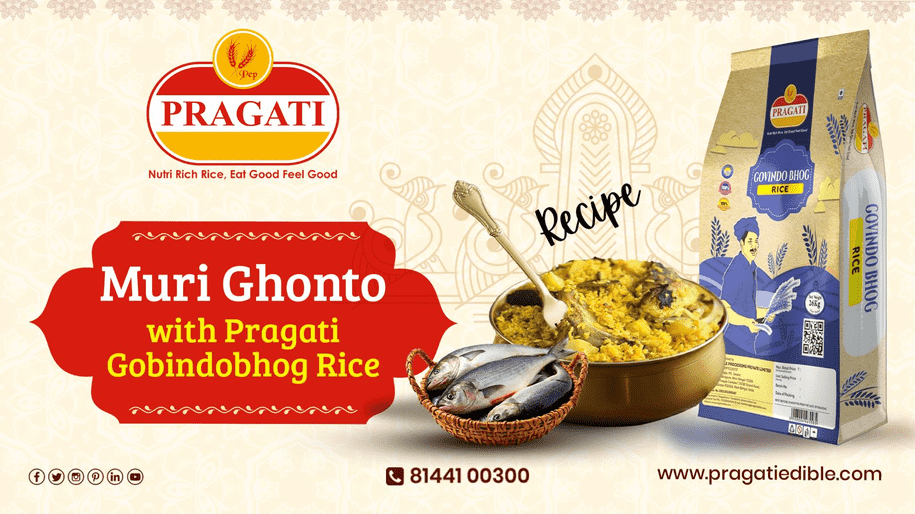
Cook authentic Bengali Muri Ghonto with fish head and Pragati Gobindobhog Rice. ...