Can Rice Be Part of a Balanced Diet?
26 May, 2026
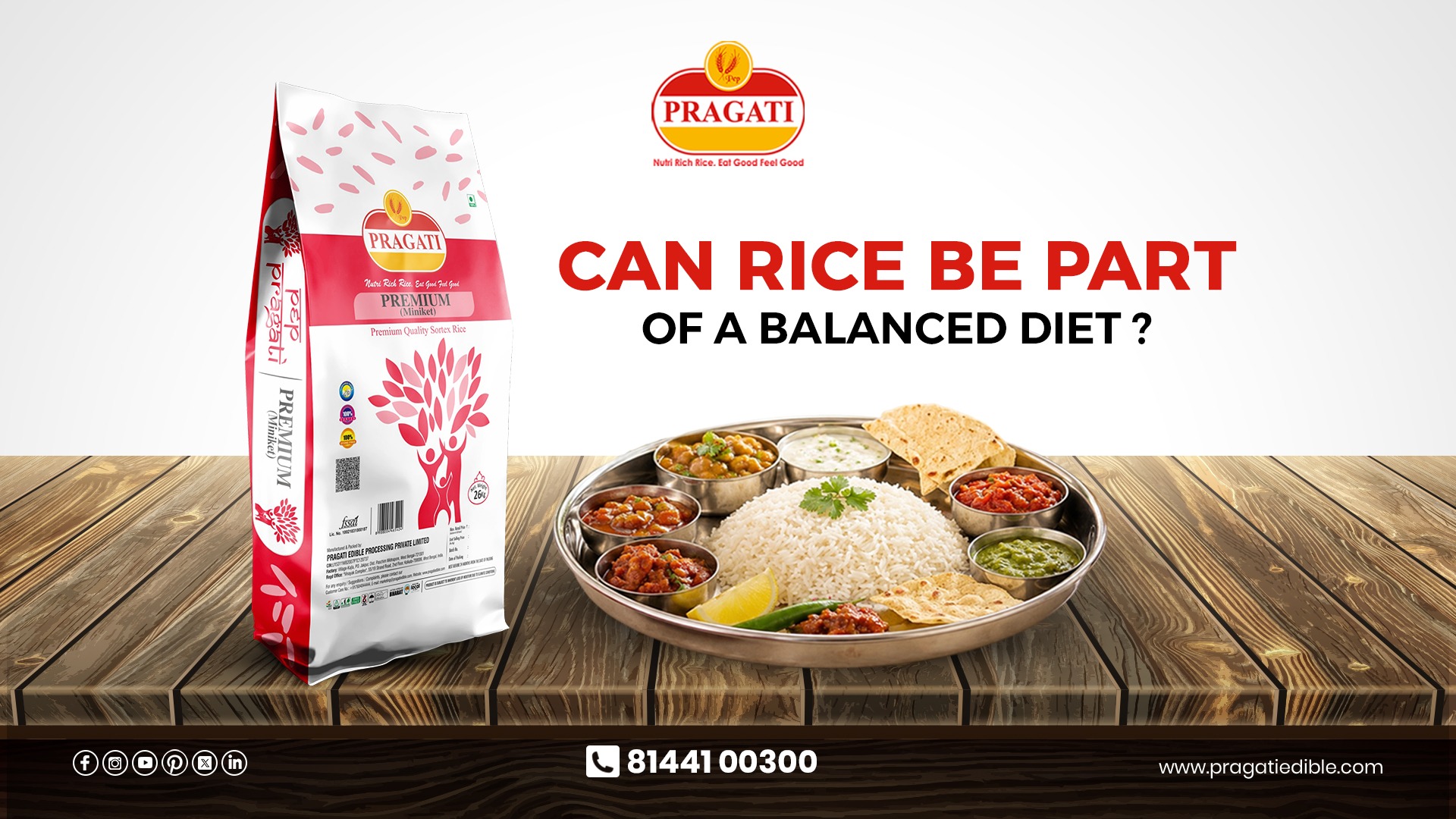
There’s something deeply comforting about the sound of steaming rice being served onto a plate.
For generations across Bengal and India, rice has not just been food; it has been memory, warmth, celebration, and everyday survival. From a simple bowl of dal-bhaat after a long day to festive khichuri on a rainy afternoon, rice has quietly remained at the heart of Indian kitchens.
Yet in recent years, rice has often been unfairly blamed in conversations around healthy eating. “Does rice cause weight gain?” “Should rice be avoided in a balanced diet?” “Is rice unhealthy?”
The truth is far simpler and far more reassuring.
Rice, when eaten mindfully and paired with wholesome foods, can absolutely be part of a balanced diet. At Pragati Rice, every grain is processed with care to retain quality, freshness, and purity, bringing nutritious and flavourful rice varieties to households across India.
Rice is one of the most widely consumed grains in the world because it is versatile, easy to digest, and naturally filling. In Indian households, rice often becomes the foundation of balanced meals that include lentils, vegetables, fish, eggs, curd, or lean proteins.
A healthy diet is not about eliminating a single food group. It is about balance, portion awareness, and nutritional variety.
Rice provides:
Parboiled rice, especially, is valued for preserving several nutrients during processing.
Rice itself is not unhealthy. What matters more are these factors:
A balanced plate usually contains:
When rice is consumed alongside vegetables, pulses, and proteins, the meal becomes nutritionally complete and satisfying.
For daily wholesome meals, many Bengali households prefer varieties like Pragati Premium Miniket Rice because of its light texture, comforting taste, and suitability for regular home-cooked meals.
Not all rice varieties serve the same purpose. Different grains bring different textures, aromas, and meal experiences.
Miniket rice has become a household favourite in Bengal for good reason. It cooks soft, feels light on the stomach, and pairs beautifully with simple home meals. A bowl of steamed Miniket rice with moong dal, sautéed vegetables, and fish curry creates a nourishing everyday lunch that feels both satisfying and balanced.
Pragati Rice offers carefully processed Miniket rice varieties that are known for their consistency and quality, making them ideal for regular family meals.
Some aromas instantly transport you back home. The fragrance of Gobindobhog rice bubbling gently in ghee is one of them.
Traditionally cherished in Bengal, Pragati Gobindobhog Rice is often used for khichuri, payesh, pulao, and festive preparations because of its rich aroma and soft texture.
Even celebratory foods can be enjoyed mindfully when portions are balanced, and meals include vegetables, protein, and moderation.
For many Bengali families, everyday meals are incomplete without the familiar comfort of traditional rice varieties.
Pragati Banskati Rice complements classic Bengali dishes beautifully – from light vegetable curries to hearty fish preparations. The right rice does more than fill a plate. It shapes the entire meal experience.
Yes, definitely; rice provides carbohydrates, which are one of the body’s primary energy sources. Active individuals, students, professionals, and growing children often benefit from balanced meals containing rice.
The key lies in mindful eating habits:
Extreme food restrictions are often difficult to sustain. Balanced eating patterns are far more practical and healthier in the long run.
One of the biggest misconceptions is that eating rice automatically leads to weight gain.
Weight management depends on overall calorie balance, lifestyle, sleep, physical activity, and dietary habits, not on one ingredient alone.
In fact, rice-based meals can feel more satisfying and emotionally comforting than restrictive diets, helping people maintain sustainable eating habits. A moderate portion of rice with dal, vegetables, and lean protein is often more nourishing than skipping meals entirely. The focus should always remain on balanced nutrition rather than fear-based eating.
Healthy eating is not only about numbers and calories. Food is deeply emotional. It is the smell of rice being cooked before family gatherings. It is mothers serving second helpings with affection. It is rainy afternoons with khichuri. It is the comfort of coming home.
Completely disconnecting from traditional foods often makes healthy eating feel joyless and unsustainable. Balanced diets work best when they include foods people genuinely love and connect with. That is why rice continues to remain central to millions of healthy Indian meals.
The truth is simple. Rice is not the enemy of healthy eating. When chosen carefully, cooked mindfully, and paired with nutritious ingredients, rice can absolutely be part of a balanced and wholesome diet.
At Pragati Rice, thoughtfully processed rice varieties such as Miniket Rice, Gobindobhog Rice, and Banskati Rice continue to bring quality, taste, and nourishment to Indian kitchens every day. Because sometimes, balanced eating is not about giving up comfort. It is about learning how to enjoy it wisely.
Yes, rice can be part of a balanced daily diet when eaten in moderate portions alongside vegetables, pulses, and protein-rich foods. Choosing quality rice varieties and maintaining portion balance is important.
Rice varieties like Miniket rice are commonly preferred for everyday Indian meals because they are light, versatile, and pair well with balanced home-cooked dishes.
Parboiled rice may retain more nutrients during processing compared to regular polished white rice. It is also appreciated for its texture, digestibility, and suitability for daily meals.
Discover how rice can be part of a balanced diet with mindful eating, healthy pa...
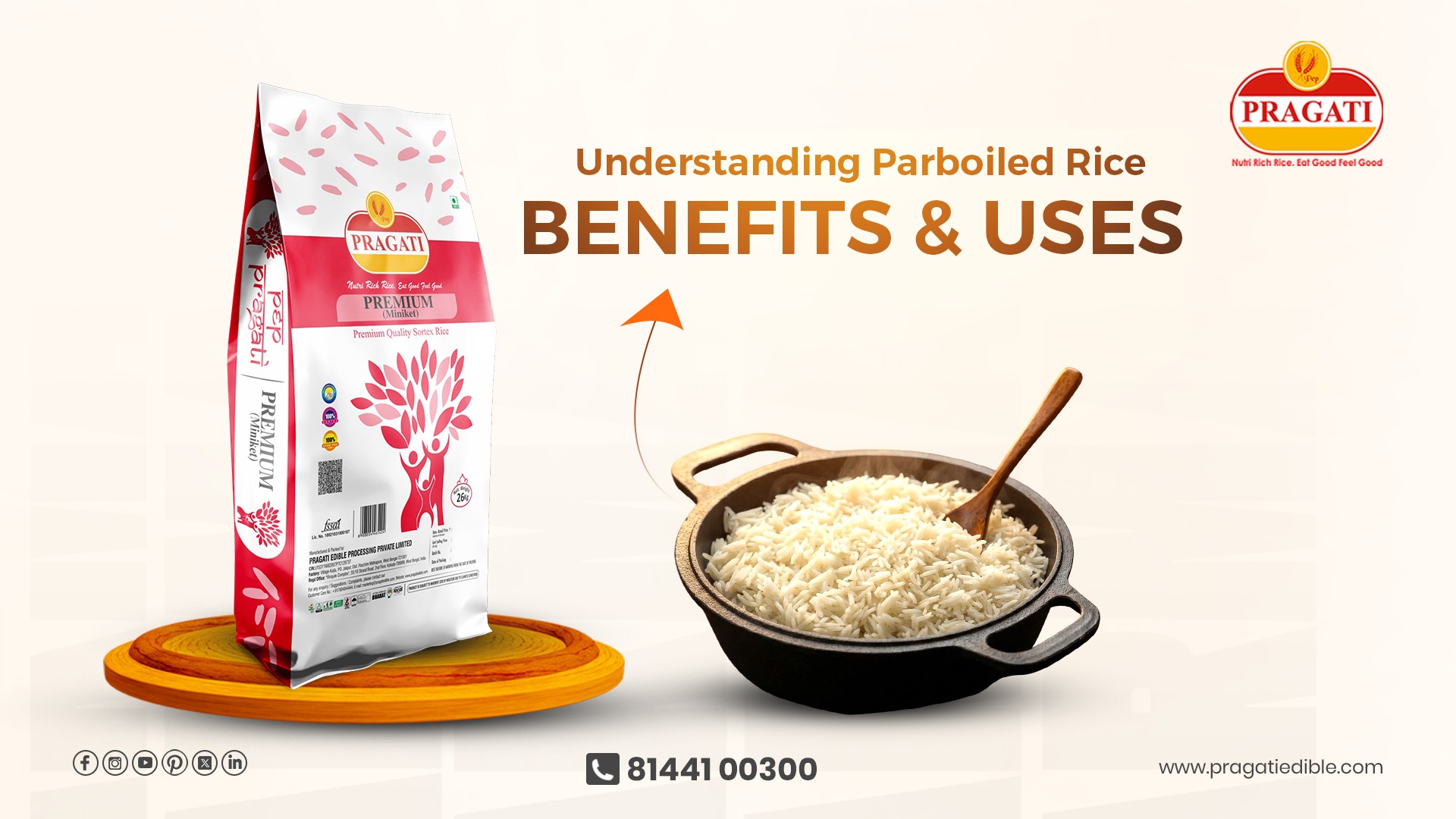
Discover the benefits of Pragati Parboiled Rice and Miniket Rice for healthy, fl...
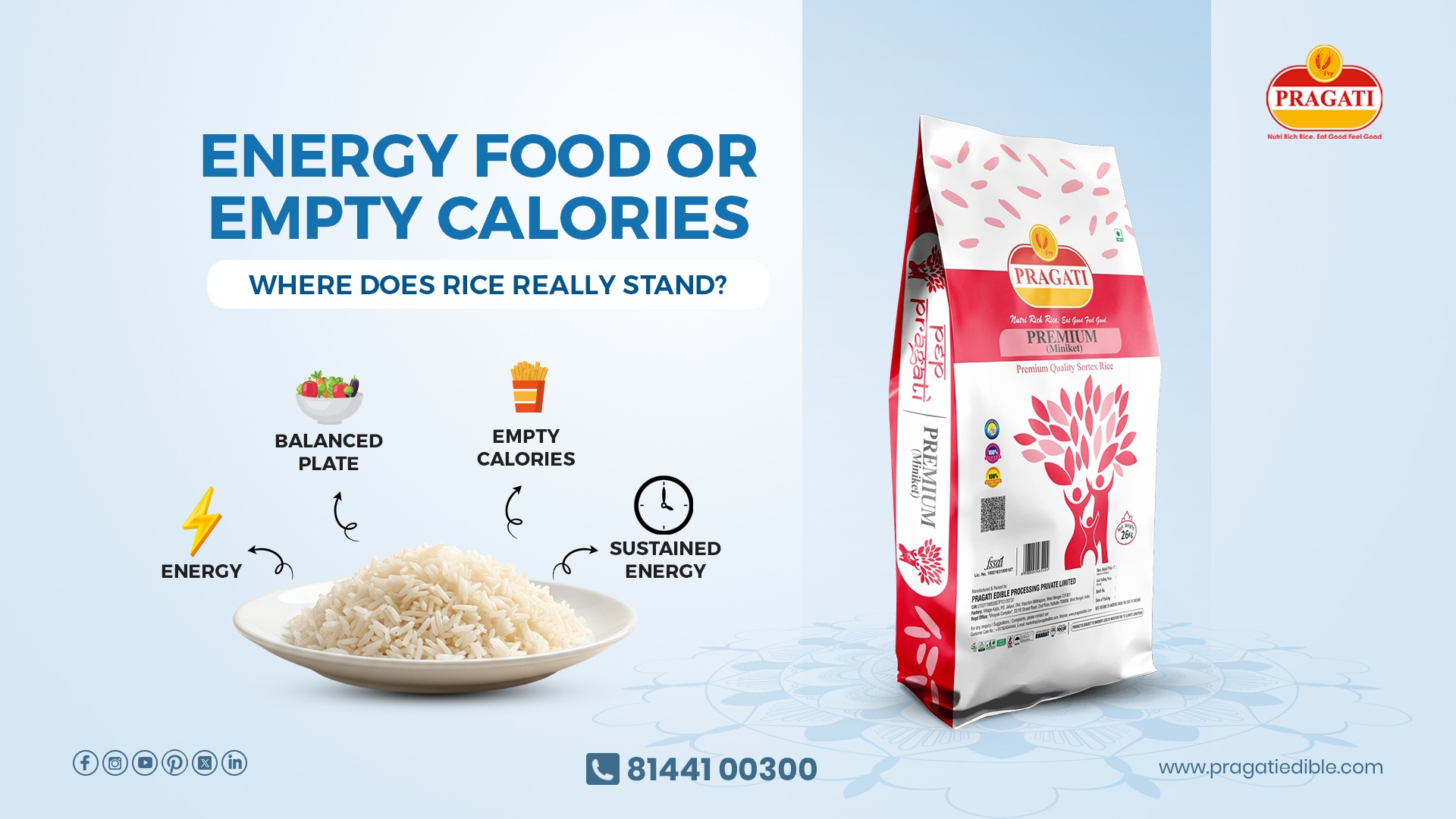
Rice isn’t empty calories—when chosen right and eaten in balance, it fuels y...
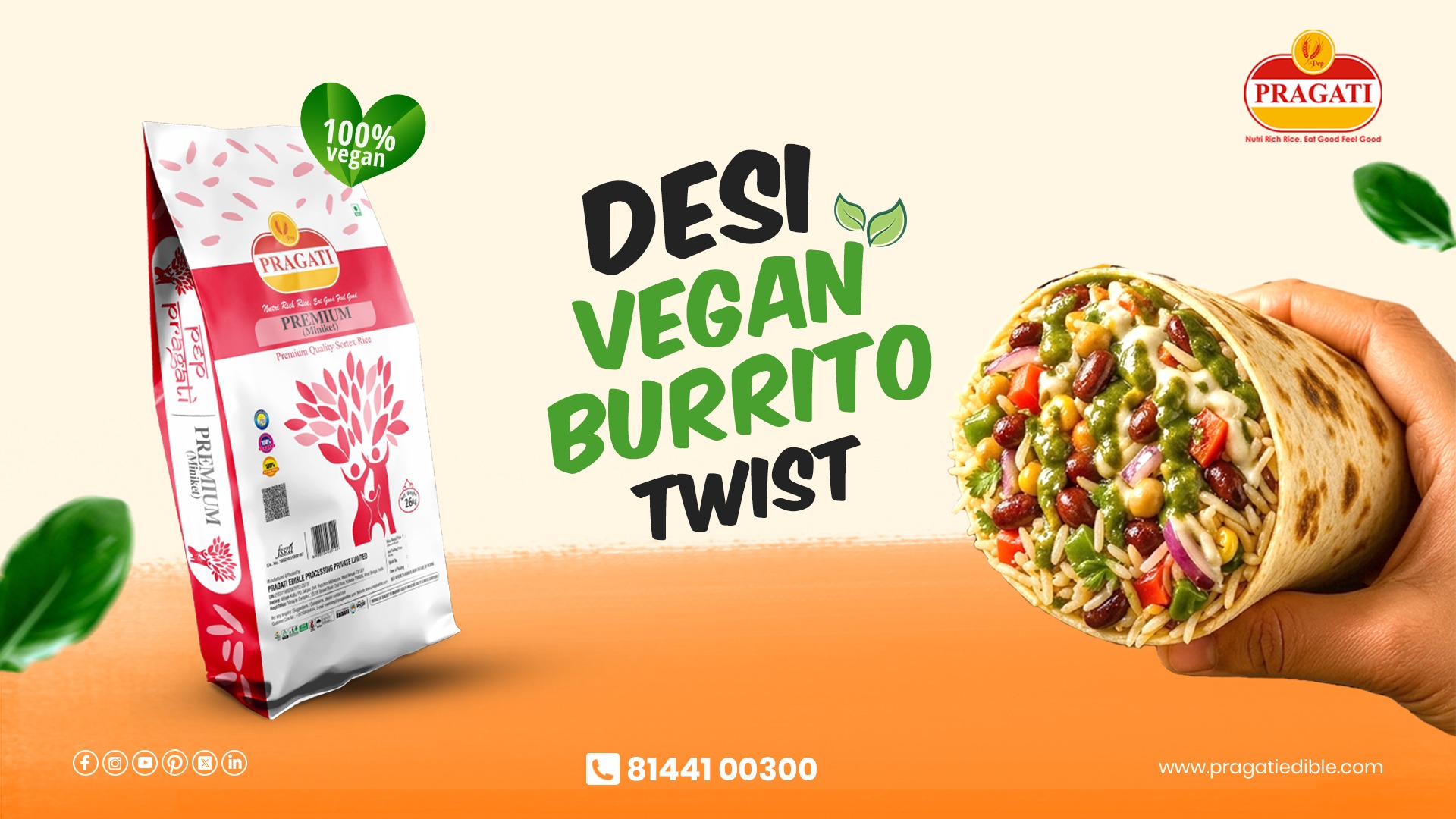
A delicious fusion recipe combining Indian spices with a classic burrito—made ...
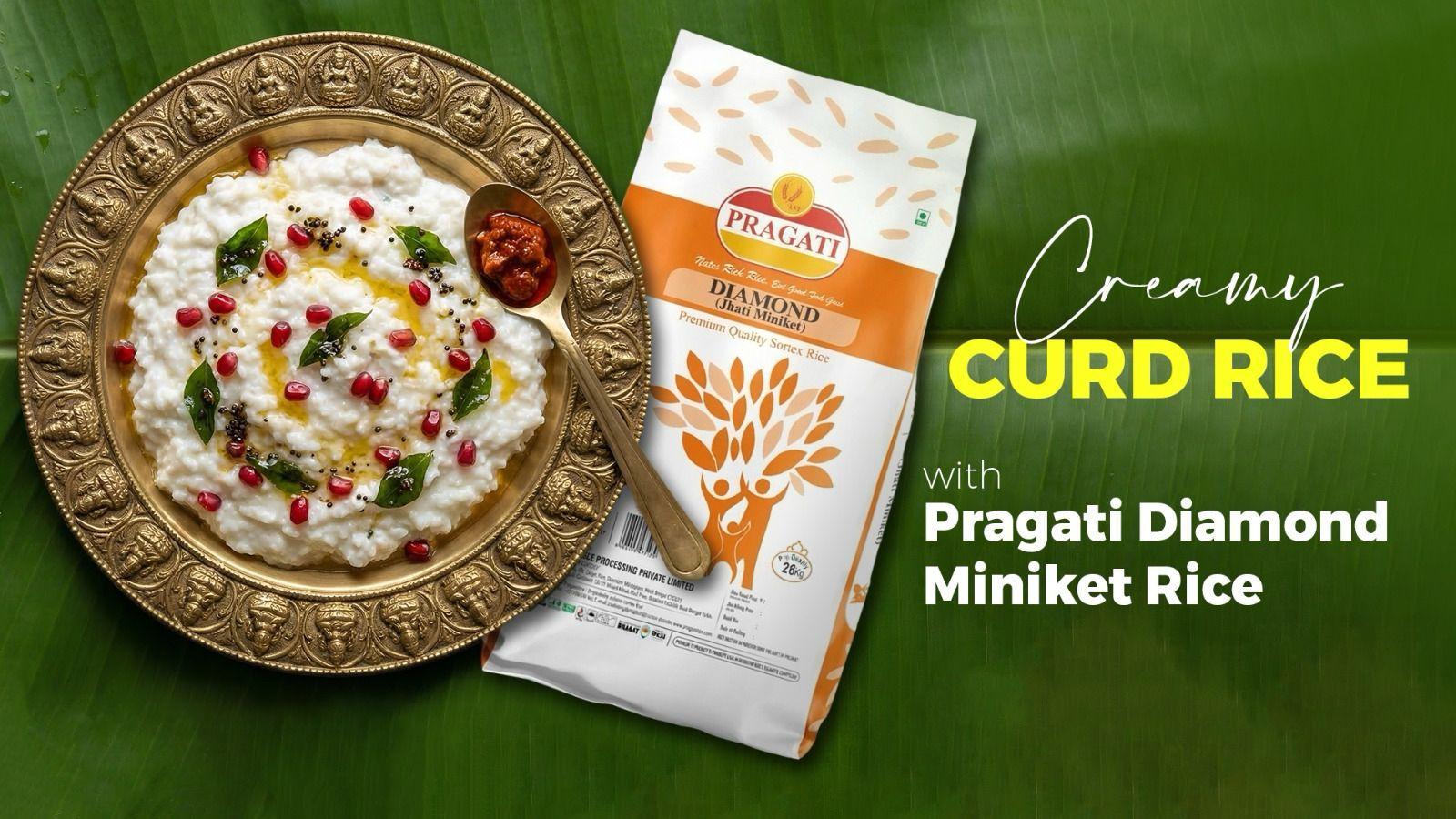
A comforting bowl of curd rice made with soft Pragati Diamond Miniket Rice. Crea...

Discover the bold flavours of Korean-Gobi Fried Rice — crispy cauliflower mee...