Category Archives: Uncategorized

The right way of making Rice

Our country’s obsession with rice is an open secret to the rest of the world. But if you find yourself struggling to get your rice perfectly made every single time, know that you are not alone. Considering the frequency of times rice is cooked at each of our households, the “rice-related kitchen misadventures” never seem to cease. Nobody wants to serve or get served sticky, lumpy, textured, or unevenly cooked white rice as meals, and therein lays the problem. Believe it or not, there are a handful of very common rules that most of us end messing up while cooking rice. So let’s all take a deep dive into this issue and try to perfect our techniques of “cooking white rice” before firing up the stoves.

Common mistakes
1. Carry over cooking
Most of us don’t let the rice out of its pot after we are done cooking it. This way we end up with overcooked and mushy porridge-like rice on our plates.
2. Stirring
Some people are in the habit of stirring rice continuously while cooking to stop the grains from clumping up together. Stirring forms a layer of starch at the bottom of the utensil causing the rice to stick and burn.
3. Too high heat
Cooking rice at a very high temperature leaves the grains of rice raw in the center.
4. Lifting the lid
Lifting the lid of the utensil now and again causes the rice to lose the extra heat and steam that is necessary for it to get cooked through and reach the ideal texture.

The right way
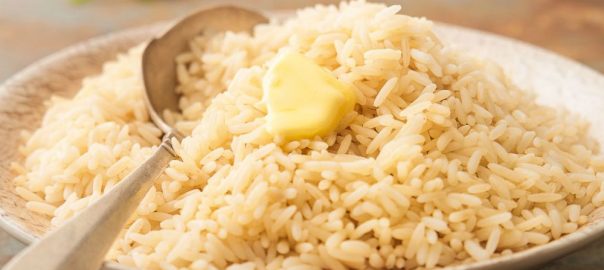
For the first part, the rice must be washed properly till the water runs clear. Once rinsed, the rice must be and soaked for 20-30 minutes prior to cooking. The ratio of rice to water should be kept at 1:5. Next, this mixture of rice and water should be transferred to a heavy-bottomed utensil and placed on medium heat. The lid of the utensil should be firmly set into place after the water comes to a rolling boil. After about 15-20 minutes when the rice has doubled in volume, it should be taken off the heat. Finally, the starchy excess water mostly accumulated at the top should be drained away by gently tilting the utensil at an angle. The rice should be ready to be served after it has been fluffed up using a spoon or a fork.

The way to safety
For best results, one should always serve rice immediately after it has been cooked. Storing rice in the refrigerator no more than 24 hours until reheating is also considered a great way to enjoy rice.

The product itself
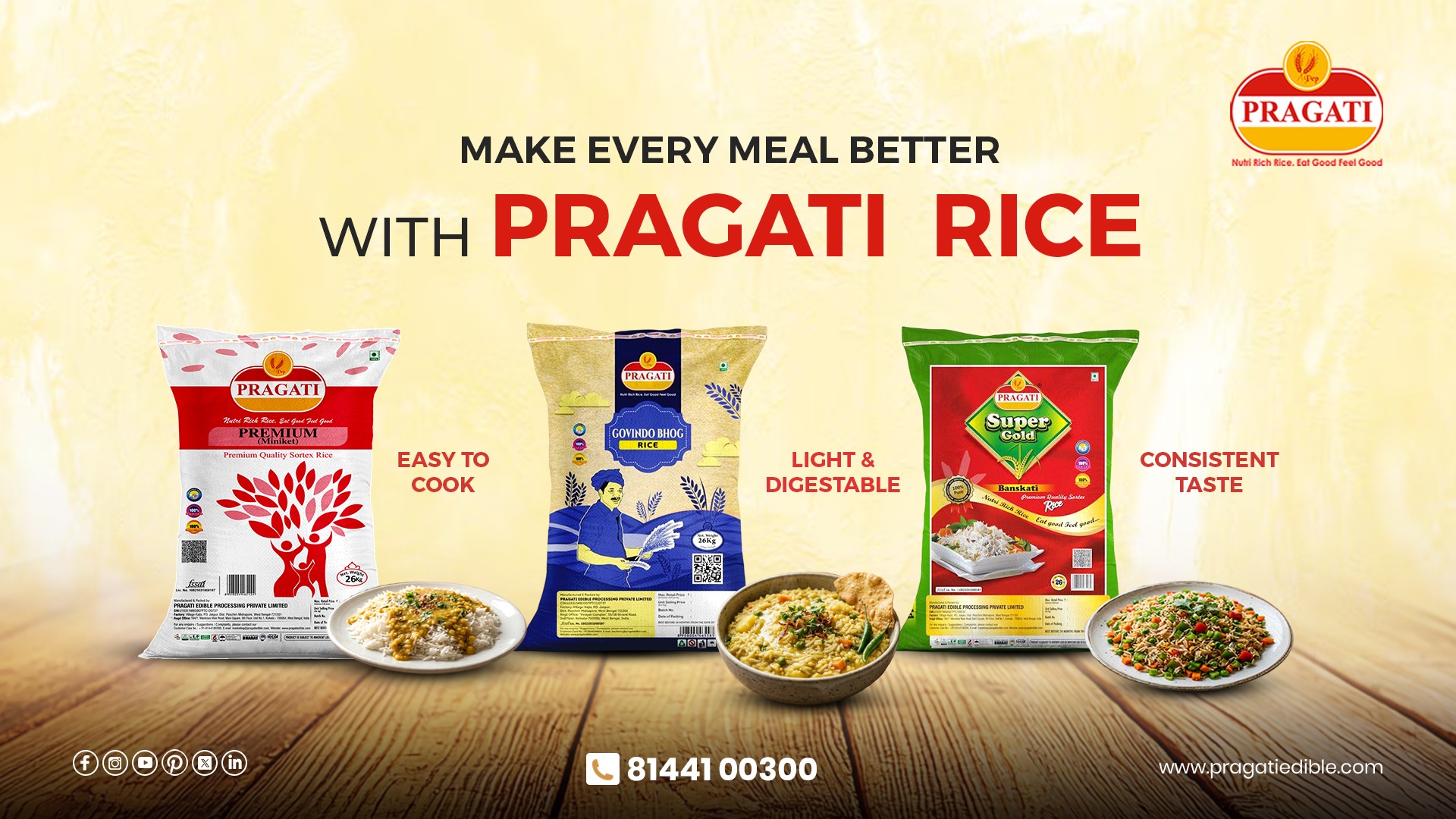
Irrespective of what procedure we follow while cooking rice, choosing the right product makes a world of difference. Pragati rice is the manufacturer of superior quality non-basmati rice that is unparalleled in its flavor, freshness, and fragrance. Now you can get a taste of fluffy and perfectly separated grains every single time just by picking up a pack of Pragati rice at your local supermarket.
Enjoy!!
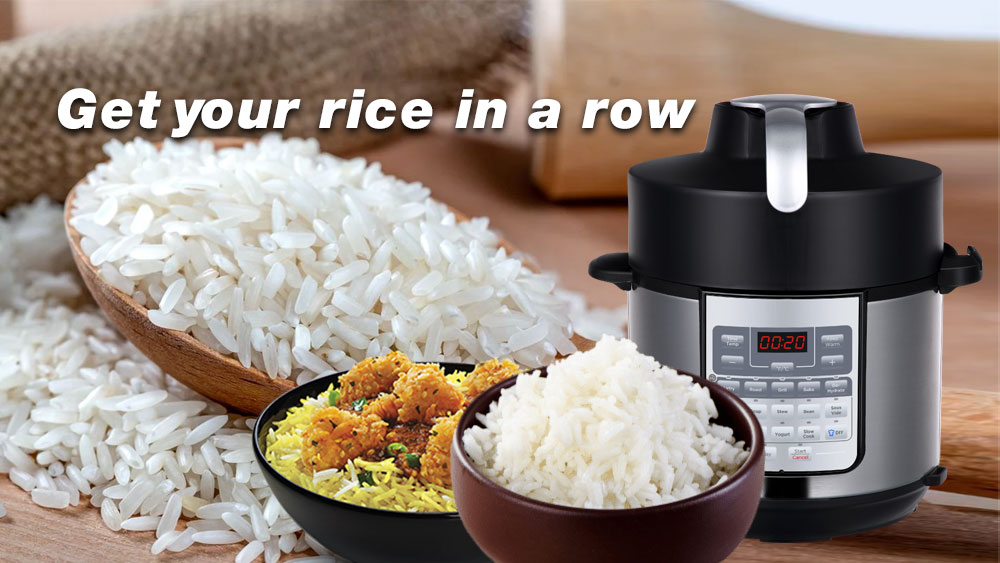
Get your rice in a row

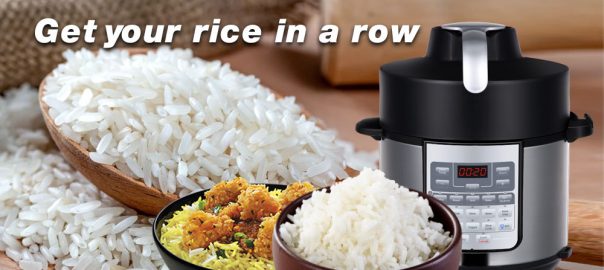
The benefits of a pressure cooker are absolutely undoubtedly endless. No other kitchen appliance holds a candle to a pressure cooker when it comes to cooking food in a time crunch. But the handy features of a pressure cooker may not be applicable to boiling rice although it is a popular domestic practice in Indian households. Dieticians and other health professionals have voiced several concerns about cooking rice in a pressure cooker that needs to be properly addressed in one way or the other.

Popular Theories:
There are lots of conjectures around preparing rice in a pressure cooker. While a lot of sources reject the claims of alleged health detriments associated with cooking rice in a pressure cooker, a considerable number of them forbid people to take the easy route. It is safe to say that the jury is still out on the issue. However, it would not be right to defer a quick and prompt judgment before acquainting oneself with a few popular theories that vote for or against “Boiling rice in a pressure cooker”.

Some nutritionist believes that pressure cooking rice may lead to the loss of beneficial properties as opposed to a few others who find no fault with it. Starch-rich food like rice releases a harmful compound called “acrylamide” when seethed in a pressure cooker.

Another cause for concern is the fact that it is not always possible to drain away from the excess water (de-starching) while cooking rice in a pressure cooker. Skipping this step may lead to significant weight gain.

Side Effects:
Regularly consuming rice cooked in a pressure cooker may pave the way for health issues like cancer, neurological disorders, obesity, and infertility in both males and females. So adopting the fuss-free practice of pressure cooking rice may not be the best choice for your family.

The Right Way:
Instead, consider taking the healthier avenue when it comes to selecting your rice. Slow cooking Pragati rice in utensils like a rice cooker or the traditional “handi” may prove to be a great solution for all health-related worries. Pragati rice offers a variety of options to choose from right from the sprawling paddy fields of Bengal. Pragati earnestly aims to achieve the highest possible standard in all stages of rice production ranging from preparation, plantation, and harvest of the crop to milling and packaging of the finished product.
Pragati truly promises and delivers superior quality products at the most affordable of prices. Presently, Pragati’s popular products include Banskati, Miniket, Swarna, N-Shankar, Rupali Steam, and many more.

Trap The Nutrition:
Pragati rice is carb-rich and loaded with other nutrients like proteins and fats. It can also be considered a great source of electrolytes like sodium and potassium. Pragati rice products are absolutely gluten-free and help in the restoration of glycogen levels post vigorous physical exertion and exercise. It is easy to digest and can be helpful in the maintenance of a healthy weight. Patients suffering from chronic illnesses like Crohn’s disease or diverticulitis may find Pragati rice to be an excellent meal choice.

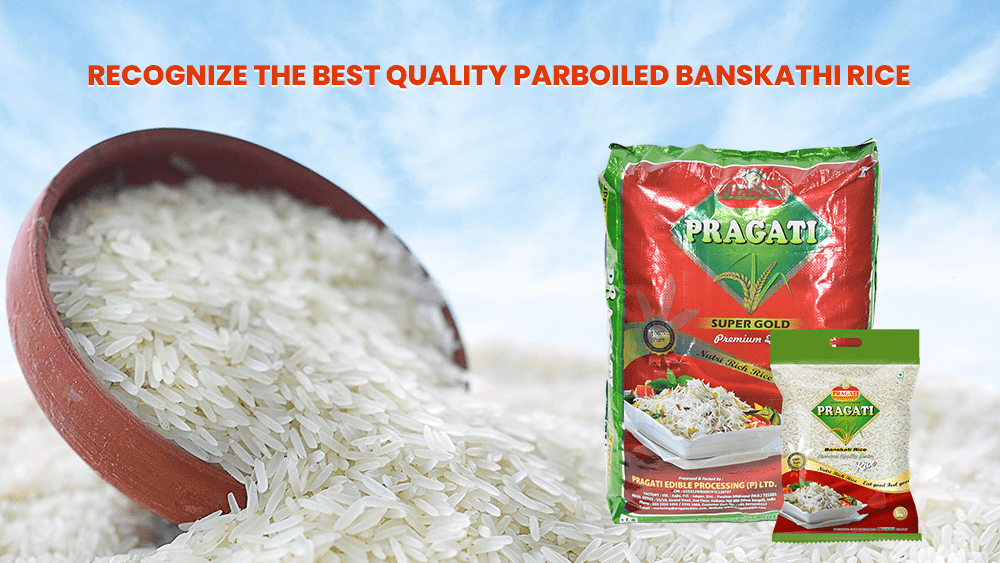
Recognize the best quality Parboiled Banskathi Rice

What exactly is the parboiled banskathi rice?

Parboiled Banskathi rice is basically partially precooked banskathi rice. The intricate process of parboiling the rice entails soaking, steaming and drying of the banskathi rice still encased within its inedible outer husk. The banskathi rice itself is considered the best for regular consumption. It is premium quality non-basmati rice characterized by its sublime aroma and taste. In a country like India, the parboiled Banskathi rice plays the perfect mate to the gastronomical creations of pretty much every ethnic group.

Amazing nutritional value of Parboiled Banskathi Rice

A standard serving of parboiled banskathi rice contains comparatively lesser amount of carbohydrates and higher content of protein and fiber that exponentially enhances its nutritional value. Besides, parboiled banskathi rice also contains traces of iron and calcium.

Health benefits of parboiled banskathi rice

It is a well known fact the regular consumption of parboiled banskathi rice promotes healthier gut. It is an excellent prebiotic that boosts the growth of good bacteria in the gut that positively affects the gut making it helpful in irritable bowel syndrome and chronic constipation.

For individuals plagued by the symptoms of diabetes, this particular type of rice hardly impacts the blood sugar level making it a healthier choice. It also improves metabolism in some cases which prevents obesity.

Other health benefits of parboiled Banskathi rice includes lowered blood pressure, risks of cancer and Alzheimer’s disease. Studies have also shown marked improvement in overall skin and cardiovascular health.

Accessing the quality of parboiled banskathi rice-

The unique features of the rice grains that ensures its premium quality are-

  • Size of the grains- The individual size of the grains must be between 7.3mm to 7.5mm. This is the standard measurement and an indicator of good quality.
  • Shape of the grain- The parboiled banskathi rice grains can be thin and elongated as well as short and stubby. A consumer must pick the former variety as it is suitable for use in a handful of recipes like biriyani and pulao. This kind also evidently tastes better.
  • Color- The grains of the rice should bear a yellowish tinge because of the parboiling.
  • Naturally grown Midnapore district of west Bengal – The banskathi rice is generally grown in the lush paddy fields of West Bengal. A great quality batch of parboiled banskathi rice is grown in natural condition devoid of artificial influences.
  • Prolonged Shelf life- The shelf life as declared on the packaging should be longer than the usual. The longer a batch of rice can retain its freshness on preservation the more it hints at premium quality.
  • Aroma- A single whiff of a handful of parboiled banskathi rice should emanate a rich fragrance which is a qualifier for good standard.
  • Disease free- The rice should be certifiably free of any blight or diseases which decrease its nutritional value.
  • Taste- The thoroughly cooked rice is supposed to have a rich taste and should not feel overly chewy which is the ultimate test of its quality.

IT’S RAINING RICE!

Rice is the absolute uncontested staple food of millions of Indians. As a country, India has secured a lofty rank in the list of “the world largest rice producers” and continues to hold the position for quite some time now. Recent data shows that one-third of the total cultivated area of the nation is dedicated to rice cultivation. So unsurprisingly, agronomists all across the Indian subcontinent are found preparing vast stretches of fertile agricultural farmlands for sowing of the paddy seedlings between the months of June and July which marks the beginning of the monsoon season in the country.

Growing Conditions of rice

Rice is one of the most principal kharif crops of our country which in simpler terms, conveys that it thrives during the monsoon season. This is mainly due to the fact that the optimum temperature that permits the proper growth of paddy or rice is about 25ºC-26ºC. This should be accompanied by at least 100 cm of rainfall under ideal circumstances. So it is safe to say that rice is best suited to geographic zones that experience a combination of both hot and humid climatic conditions.

Importance of monsoon

Rice is cultivated all through the expansive length and breadth of India. But the states of West Bengal, Punjab and Uttar Pradesh are considered the top producers of the crop. The traditional practice of planting paddy seeds at the beginning of the rainy season is not only perpetuated by age old convention but also backed up by steadfast logic and science.

Rice is heavily reliant on an assured supply of water that cannot be achieved only through irrigation. So, the quantity of rainfall during the monsoons season actually decides the production number of the crop. The southwest monsoon that makes its way up to all corners of the country by the beginning of the month of July also offers favorable temperature for paddy cultivation.

Rice as the staple food of India

Rice can easily be acknowledged as a master food crop of the developing world. This is because it is considered the staple food of a major chunk of the world population including the entirety of the country of India from Kashmir to Kanyakumari. Parboiled rice has been noted as the most popular variety of rice consumed by the people in our country as well as a commonly exported commodity.

Nutritional value of rice

Rice is great store of complex carbohydrates. It is also considered a well known reservoir holding many important nutrients, vitamins and minerals. Regular consumption of rice can even help to combat various illnesses and improve overall health.

Benefits of eating rice

Rice is so well accommodated by Indian palates mainly because it acts as a fuel for the body for being so rich in carbohydrates. Consuming a sizable portion of rice as a major meal may prove to be extremely filling and nutritious. It enables an individual to stay fit and active throughout a day without any disturbances induced by lethargy or fatigue.

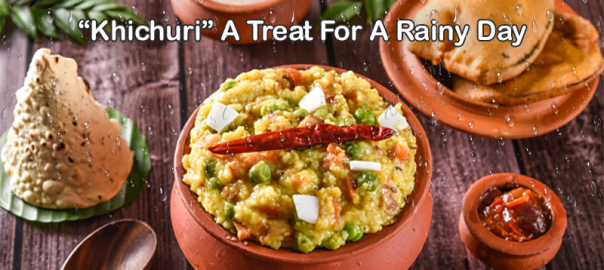
“Khichuri”: A treat for a rainy day

Bengal’s long-standing love affair with “Khichuri” is not a secret to the rest of the world. The vibrant Bengali culture allows its practitioners to have khichuri at all times of the year. But nothing beats the sentimental value of a bong enjoying a plateful of steaming “khichuri” on a rainy day. The feeling is so deeply ingrained into the hearts that scores of Bengali’s irrespective of their age associate the extensive monsoon season with this traditional preparation. Different grey moods of nature during the monsoon season, be it a copious downpour, a slight drizzle or the incessant stifling balminess may turn poetic when coupled with this perfect comfort food, from a Bengali’s perspective.

Khichuri at a glance

The quintessential Bengali khichuri is a preparation made from fragrant Gobindabhog rice, nutty roasted moong dal, vegetables, spices, and ghee. The recipe for khichuri is not set in stone. It can be made plain or rich and runny or thick according to one’s taste. The ingredients can also be swapped and played with based on ease and availability.

The main ingredient: Rice

Khichuri shines in its simplicity. The rice used in “Khichuri” takes a front and centre seat in its preparation. The rice forms the backbone of the preparation and offers it the desired porridge-like texture. Gobindabhog rice which is short-grained and aromatic sticky rice is considered ideal for making khichuri. But the use of other varieties of rice is not unheard of.

Steamed rice, parboiled rice, and even half-boiled rice can be thrown in together with the rest of the essential ingredients to make khichuri suitable for wistful rainy days.

Types of Khichuri

Bengal’s obsession with their tried and tested khichuri recipe is everlasting. Lately, many new-generation Bengalis are seen branching out into the various other preparations of khichuri, that the different geographical or cultural zones of India have to offer. To cite a few examples, one has to mention-

  • The ‘Pongal’ hailing from Tamil Nadu in the down south.
  • ‘Keema Khichdi’ originated from the kitchens of Hyderabad’s grand Nizams
  • The well-loved “Gujarati Khichdi”
  • Karnataka’s own ‘Bisi Bele Bhath’
  • The “Bihari Khichdi” which is a close cousin of the Bengali Khichudi

Food value of Khichuri

Khichuri is a dish packed with important nutrients. Khichuri has about 320 calories with high levels of protein, carbohydrates, fat, and fibre. It contains vitamin C, vitamin A, and minerals like potassium, iron, and sodium all of which are beneficial for the body.

Health Benefits

Weight loss

Khichuri is a whole and hearty preparation that reduces cravings for additional calorie intake. This makes it perfect for people battling obesity to lose weight.

Digestive health

Khichuri’s high fibre content contributes to improving gut health. It helps in detoxifying the digestive system thereby ending digestive disorders.

Diabetes-friendly

The Moong dal used in khichuri is known to have a low glycemic index. This controls the blood sugar levels.

Fights Fever

The antioxidants present in khichuri prove helpful in recovering from common illnesses like fever or infections.

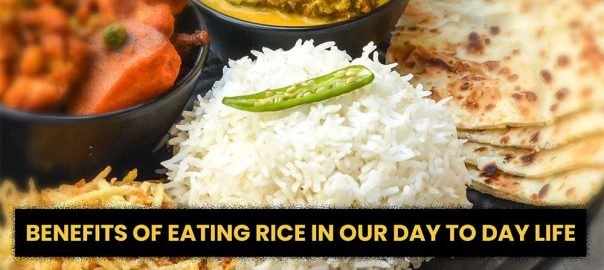
Benefits of eating Rice in our day to day life

A plate of rice is healthier than anything. In the case of reducing obesity, it plays a big role. Rice contains sodium in very low levels like cholesterol and fat. It has a lot of nutrients and also doesnot gives a negative impact on the body of human beings significantly. It contains a good level of fiber which helps a lot in the matter of reducing obesity. Everyone loves this with any side dish like curry, meat, vegetables, etc. Rice also keeps our nervous system healthy because vitamin B runs the nervous system properly and rice provides it to the body.

Good production of energy

Rice contains carbohydrates which act as fuel in our body. After entering into the human body, our body transforms carbohydrates into a good amount of energy. It helps in functioning your brain properly as well. Rice also contains other components like vitamins and minerals which help to increase the metabolic activity for the organs of the body.

Excellent source of protein

People who live a vegan lifestyle should consume high protein rice. It keeps the protein level good in their body. ¼ cup of brown rice contains six grams of protein and it’s five grams in the case of ¼ cup of white rice. Finding high protein food for a vegan is still difficult. Consumption of high protein rice is an ideal supplement for vegetarian foods.

Helps in preventing constipation

High fiber rice is essential for reducing constipation and regulates the digestive system. Rice also helps in the elimination of water from the body. Patients who are suffering from high blood pressure, they find it helpful. It causes frequent urination; it helps the body to get rid of uric acid. So, keep supplying water to the body as it is flushing out more water.

Reduce the risk of cancer

The high fiber properties in rice help in proper digestion and also keep the blood pressure normal. Due to proper digestion, the waste of the body doesnot stays long in the body. This way it keeps the body healthy. So, the waste products doesnot get time to interact with the cells of the body. This way it fights against intestinal and colorectal cancer and prevents it.

Useful for skincare

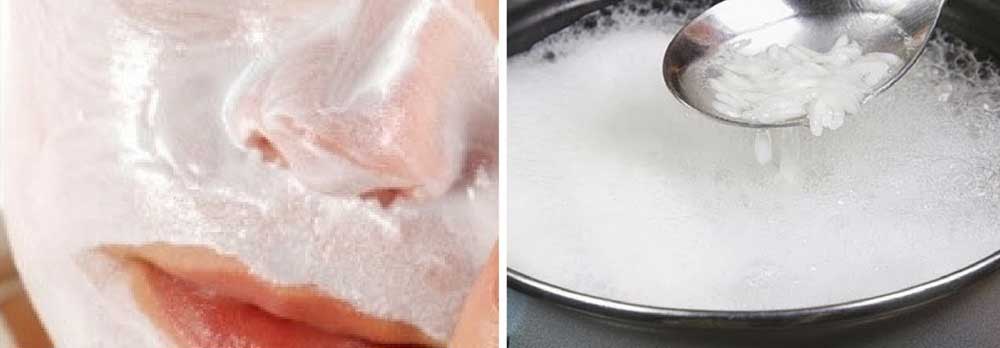
People can be surprised to know that rice can take care of the skin. Consumption of brown rice can cure many skin problems with its phenolic compounds. It soothes the irritation and also reduces redness on the skin. The antioxidants of rice make the aging process slow and help to prevent wrinkles.

The reason behind choose us?

So, are you thinking about buying high-quality rice to use for cooking purposes? Then, we can assure you that we are the best option for you. We are offering you premium quality rice with high protein, minerals and vitamins and, this can improve your health efficiently. So, we are trying to keep you healthy and satisfy your taste buds.

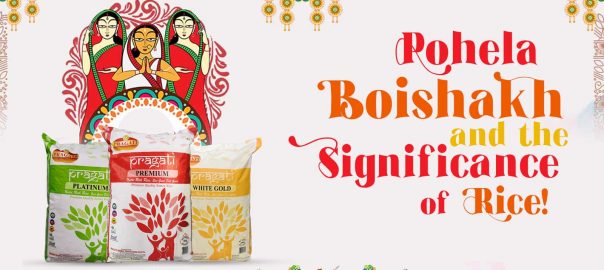
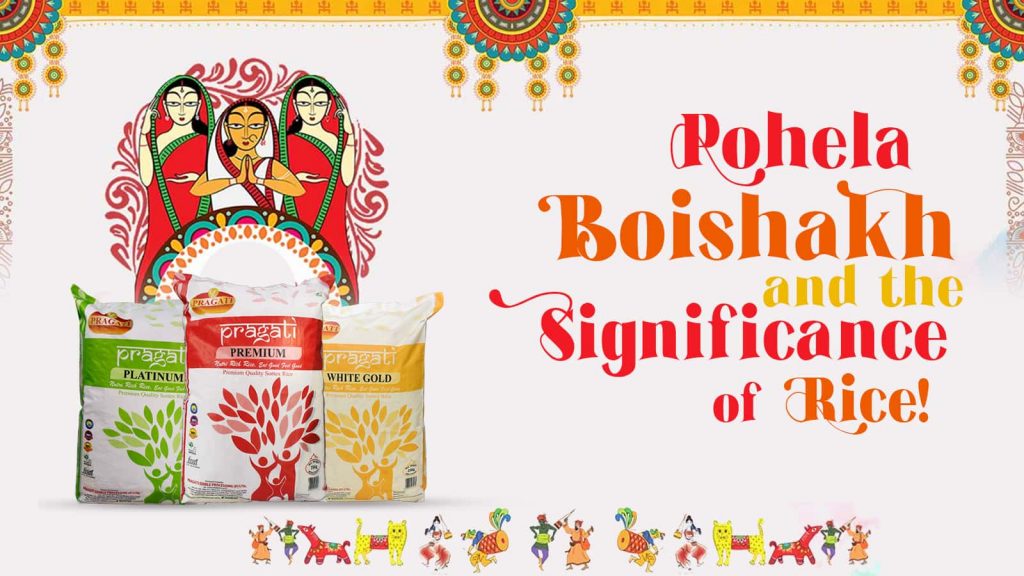
Pohela Boishakh and the Significance of Rice!

Bengali New Year is known as Pohela Boishakh as well which denotes the first day of the first month of the Bengali solar datebook. This year, Bengali New Year is on Thursday, 15 April.

Bengalis greet people at this festival by saying “Shubho Nobobarsho” which means “prosperous New Year”. The traditional way to celebrate this blissful occasion is to go to fairs that are organized across West Bengal and Tripura with families.

The traditional way to celebrate Pohela Boishakh is by spending time with your loved ones, visiting fairs, cleaning up one’s houses and getting new clothes. The Bengali Community purchases the Panjika, as the year ends. Panjika is a book that contains all the significant dates for the impending events of the New Year. All the positive events including housewarming and wedding ceremonies are then planned with keeping Panjika in mind. Houses are decorated with rangoli in their courtyards made with a mixture of rice and water (alpona).

Pahela Baishakh celebrations are imperfect without plates of Panta Bhat, which is Bengali style fermented rice served with either fish or Bhorta. For years, Bangalees, on their New Year, have been treating themselves to the conventional delicacies.

Back in the time, families of peasants would keep leftover rice from dinner by sopping it in water to have it as a meal the subsequent day.

But along with conventional values, Panta Bhat has its nutritional benefits as well.

In recent times, a study by the nourishment sector of Bangladesh Agriculture Research Council (Barc) showed that Panta Bhat has much more nutrients than cooked rice and thus it can be consumed all through the year.


Importance of Rice:

• Universal Staple Food

Rice is one of the most important food crops in the world, rice; wheat and maize collectively unswervingly contribute to more than half of all calories consumed by the total human population. Human consumption accounts for 85% of the entire production of rice.

Rice provides 21% of worldwide human per capita energy and 15% of per capita protein. Though rice protein ranks far above the ground in dietary quality among cereals, protein content is modest. Rice also provides minerals, vitamins, and fiber, Even though all components apart from carbohydrates are abridged by milling.

• Effect on the global economy

Rice is also the most significant crop to millions of small farmers who produce it on millions of hectares all through the region, and to the several landless workers who obtain revenue from working on these farms. In the future, rice production must continue to rise at least as speedily as the population, if not quicker than that.
Asia accounted for 60% of the global population, about 92% of the world’s rice production, and 90% of global rice consumption.

Why choose us?
Being one of the most important cereal crops in the world, it is considered to be the main food for about half the population of the world. We provide the best quality rice for you to binge on, choose us to make your food healthy and rich in quality!

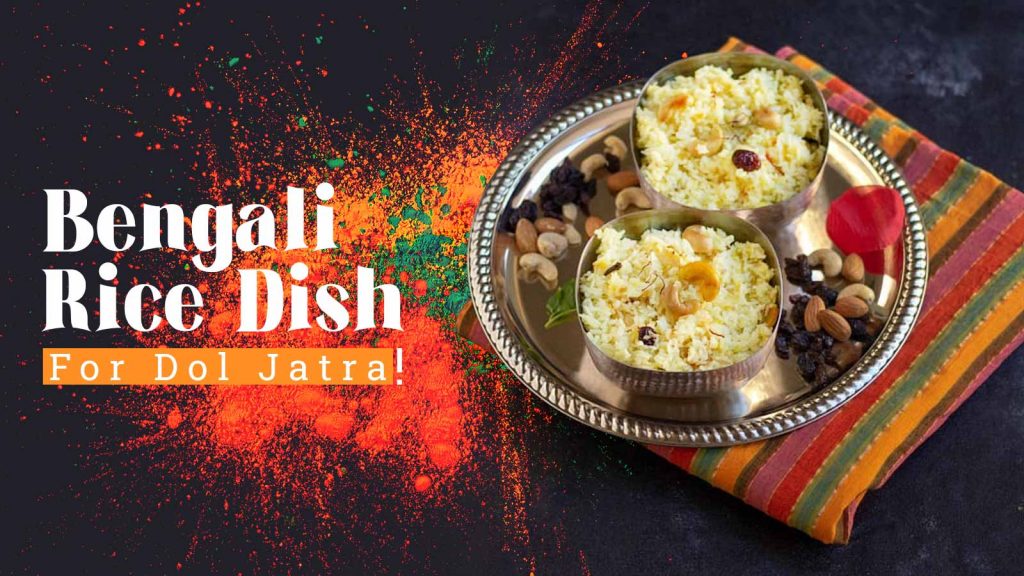
Bengali Rice Dish For Holi/Dol Jatra

Holi is one of the most widely celebrated festivals in India. In the Bengali community though, this is known mainly as Dol Jatra, or more generally, Dol. Indeed, people celebrate this festival with colors, entertainment, and mouth-watering delicacies. In this concern, one of the best foods many Bengalis love during this period is Mishti Pulao.

It is a popular vegetarian rice dish that the Bengali Hindus eat with other food items. Not to mention, it is a healthy choice, and a filling but light meal in general. Accordingly, younger children and older people likewise love to have it during Holi. However, this is not a Holi-specific dish; many people try different varieties of this on other occasions.

What is Mishti Pulao?
Pulao is a form of rice food, made of Gobindobhog rice, vegetables, and edible oil. However, in Bengali culture, people prepare this vegetable food item with a hint of sweetness. Surely, it contains vegetables and spices, but the taste of this ‘pulao’ is sweeter than its other varieties.

Other side-dishes and rice dishes for Dol Jatra
To give relief to the taste-buds, Bengali people serve other food preparations with this dish. These include both vegetarian and non-vegetarian options, like ‘shukto’ and prawn curry respectively. Plus, they enjoy many kinds of sweets during this period as well, like ‘rabdi’ and chutney.

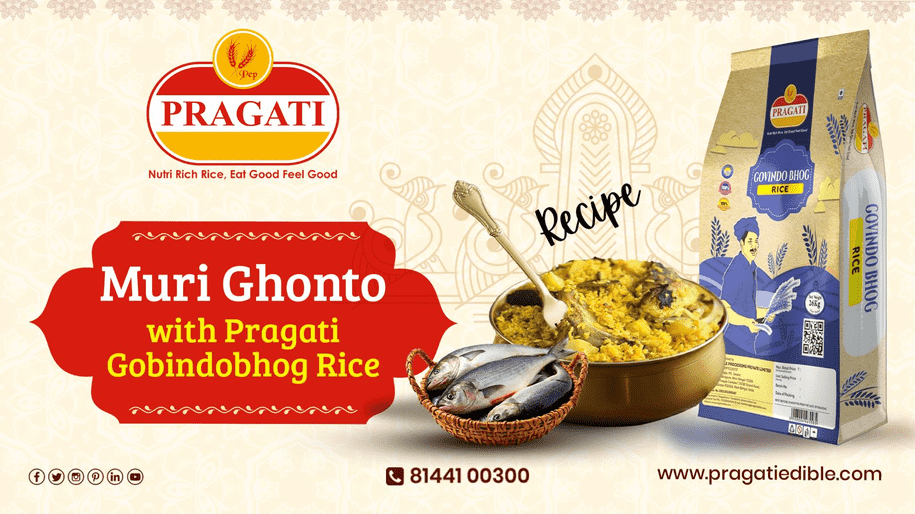
Some of these sweets are made of rice, in its ground form, and milk, with other spices and ingredients. While some people buy them from the shop, others make them freshly in their homes. Another rice dish that many Bengali families try during this period is the Muri-ghonto. This a non-vegetarian traditional Bengali dish that people make during special events. It contains Basmati or Gobindobhog rice cooked with the head of a big fish and many spices.

Cultural significance
The festival of Dol Jatra in Bengali tradition, or Holi in overall Hindu culture, is dedicated to Lord Krishna. Moreover, this festival occurs in other states like Assam and Orissa besides West Bengal.

Besides this reason, Bengalis celebrate this day as the birthday of Vaishnava saint, Chaitanya Mahaprabhu as well. Moreover, they enjoy this festival with colors, good food, and puja. As a matter of fact, Mishti Pulao, and some other dishes, are offered in the puja as ‘bhog’ for the deity.

Nutritional Value
The dish of Mishti Pulao does have good health benefits, and it is easy to eat for many. Of course, there are many variations of this recipe available. But, Bengalis mainly use Gobindobhog rice or other short-grain varieties for the taste and aroma. This rice variety is easily digestible, is rich in good protein, and improves the natural balance in the human body.

They add basic spices like cardamom and cinnamon, low-fat ghee or edible oil, raisins, and nuts like cashew. These are rich in carbohydrates, protein, fibers, and many other minerals. Cashew, in particular, has a high amount of heart-health-improving fats and so does ghee or oil. As for the spices, they are soothing for the stomach, helps heart conditions, enhances digestion, and more.

Why Choose Us?
To prepare and enjoy tasty Bengali Mishti Pulao or other rice dishes during Dol, you need good-quality rice grains. Indeed, we provide the best-quality rice varieties that are good in taste, aroma, and more. Also, you would need different types of rice for different dishes. Luckily, you would find a lot of choices available here.

The Wonder Food right from the fields of Bengal

Do you love rice, or do you have your reasons to avoid eating rice? If you give me a few minutes from your precious time, I will change your opinions about this wonderful food item. So, buckle up as this is not going to be any less than a Roller Coaster Ride.

Why Rice is a wonder food?

As per statistics, the majority of the Indian population consumes rice as their staple diet. People have evolved there cooking skills due to which new rice dishes have been evolving with time. Most of us have the heart to heart connections with rice. Various authentic, delicacies and mouth-watering dishes are made of rice. Cultivated widely in the state of West Bengal, rice is one of the most popular, and nutritious food items. Being a huge consumer as well as producer of rice, the country produces enough amounts to export the grains to other countries even after keeping a sufficient amount in storage.

Nutritional Benefits of Rice:-

Helps in Weight-loss:- Rice is very health-friendly and is fat-less. It is a rich source of carbohydrates that gives you immense energy. Rice is also favored by people who are dieting and are looking to lose their body weight because a little consumption of rice can give you a feeling of fullness resulting in less calorie intake but more energy output and thus creates a win-win situation.

Rich in Protein:- It serves as the building blocks of the body and helps in our mental growth and development.

Rich Source of vitamins, minerals, and fiber:- Rice is loaded with magnesium, phosphorus, and many such nutrients depending upon the variety of rice you consume. It enhances our immunity and helps us to fight many diseases.

Loaded with Anti-Oxidants:- The major property of Rice is the oxidative stability that comes from the antioxidants present in it. It has enormous health benefits and rich in nutritional values. It is also renowned for its anti-aging properties and is highly used by Asian Women to enhance their beauty by using it in various beauty products.

Why You Should Use Pragati Rice?

Finally, we now need to give you a reason so that you consider us to serve you. Don’t worry, we will prove ourselves to be worthy of your trust.

We are among the highest producers of rice in the country, and we take good care of all the food items we provide. We ensure that we do not use any harmful processes while polishing the rice and provide you non-powdered polished rice in all varieties. We also ensure superior quality of the product as well as intactness. We offer you a wide range of raw, boiled, and parboiled rice in different qualities. We tend to stand tall to the expectations of our customers as they trust our services and try to relieve them from the tension of getting the best and nutrient-enriched rice for their families. We believe,” Good rice, Good life” because with us rice can’t ever go wrong.

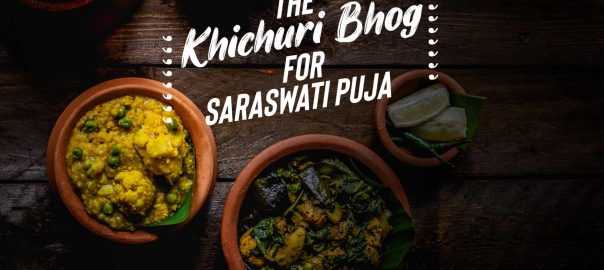
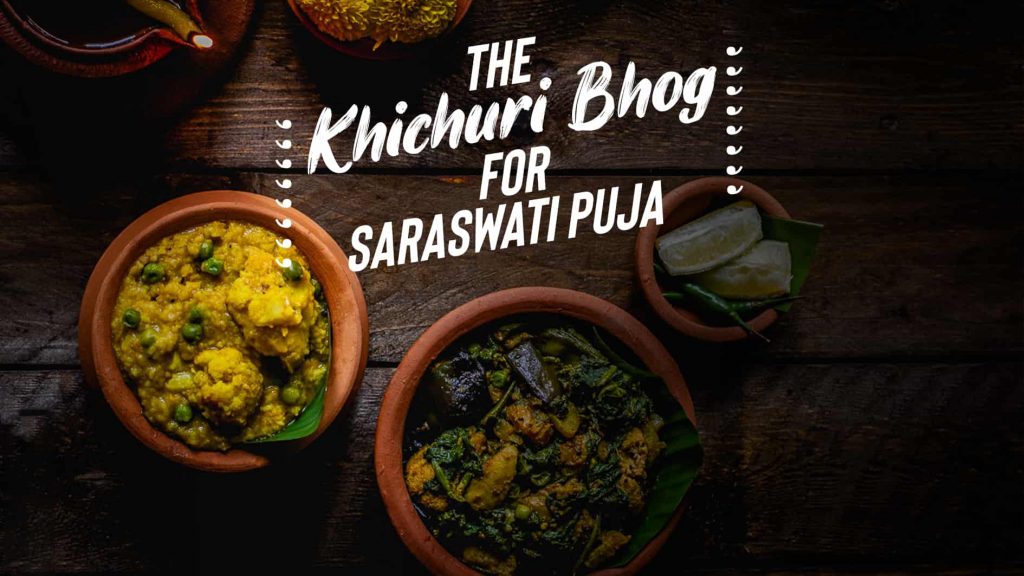
The Khichuri Bhog for Saraswati Puja

For the people living in India, a lot of different food items have separate connotations. Some are basic staple dishes for each season, while others are popular for its health benefits. Also, many of such food dishes are popular in particular regions in India and special for their residents. Khichuri Bhog, in essence, is mostly the latter.

Indeed, the Bengali Hindus in West Bengal, and those living in other areas, associate Kichuri Bhog with the festival of Saraswati Puja. During this festival, the ‘Bongs’ eat this vegetarian meal during their midday meal after the puja. It is tasty and filling and is an important meal during this period. Plus, Khichuri Bhog contains a lot of nutritional elements, so it is a healthy option to try even for the non-Bengali.

What is Khichuri Bhog?
In the Bengali language, the word ‘bhog’ denotes enjoyment. And for the Bengali, that is what this dish signifies and is an important part of this festival. The cooks prepare this dish in large quantities, slowly over 3-4 hours, and then serve it hot with other accompaniments. The ‘khichuri’ is made of lentils and rice and served with vegetable medleys like ‘labra’ and ‘chhyachra’. Other dishes include ‘phulkopi’ (cauliflower), ‘kancha kola’ (green banana), potato, and brinjal fries. Plus, the Bhog also includes papad, sweets, and chutney of various kinds. Non-vegetarian items are strictly excluded from this meal.

Cultural importance
As mentioned earlier, the Khichuri Bhog is a vegetarian dish that the Bengali Hindus eat during Saraswati Puja. During this festival, they celebrate the Goddess of Knowledge, Maa Saraswati. The festival stretches for 2-3 days in West Bengal, though the puja occurs only on one day. The citizens celebrate this period with music and dancing, while many offer their books to the Goddess for Her blessing.

Plus, in some communities, little children start learning to write during this puja. In other Hindu communities, this festival is also called the Basant Panchami. They celebrate this day as it marks the beginning of spring, and people pray for a good harvest.

Nutritional benefits
There is a lot of nutritional value in the entire Khichuri Bhog. Firstly, the lentils and rice is cooked with turmeric powder and salt, and it contains iron, fibre, carbohydrate, proteins, and different minerals. The salt provides sodium, and even those who are sick can eat this food easily. This does not contain high levels of fat and is light for the stomach.

Also, all the items are cooked with edible oils that are high in good fatty acids. The dishes other than ‘khichuri’ are full of healthy vegetables that contain rich nutrient content. These include minerals, vitamins, protein, carbohydrates, fibre, and antioxidants. While the sweets do have a high amount of sugar content, the overall ‘bhog’ is very healthy.

Why choose us?
To prepare a good Khichuri Bhog during Saraswati Puja, you need to use the best ingredients. In this concern, choosing our premium-quality rice grains would help you. They contain a lot of healthy nutritional elements and are safe for a person’s health. Furthermore, we offer many types of such products, and you can choose one that you need.