All posts by admin

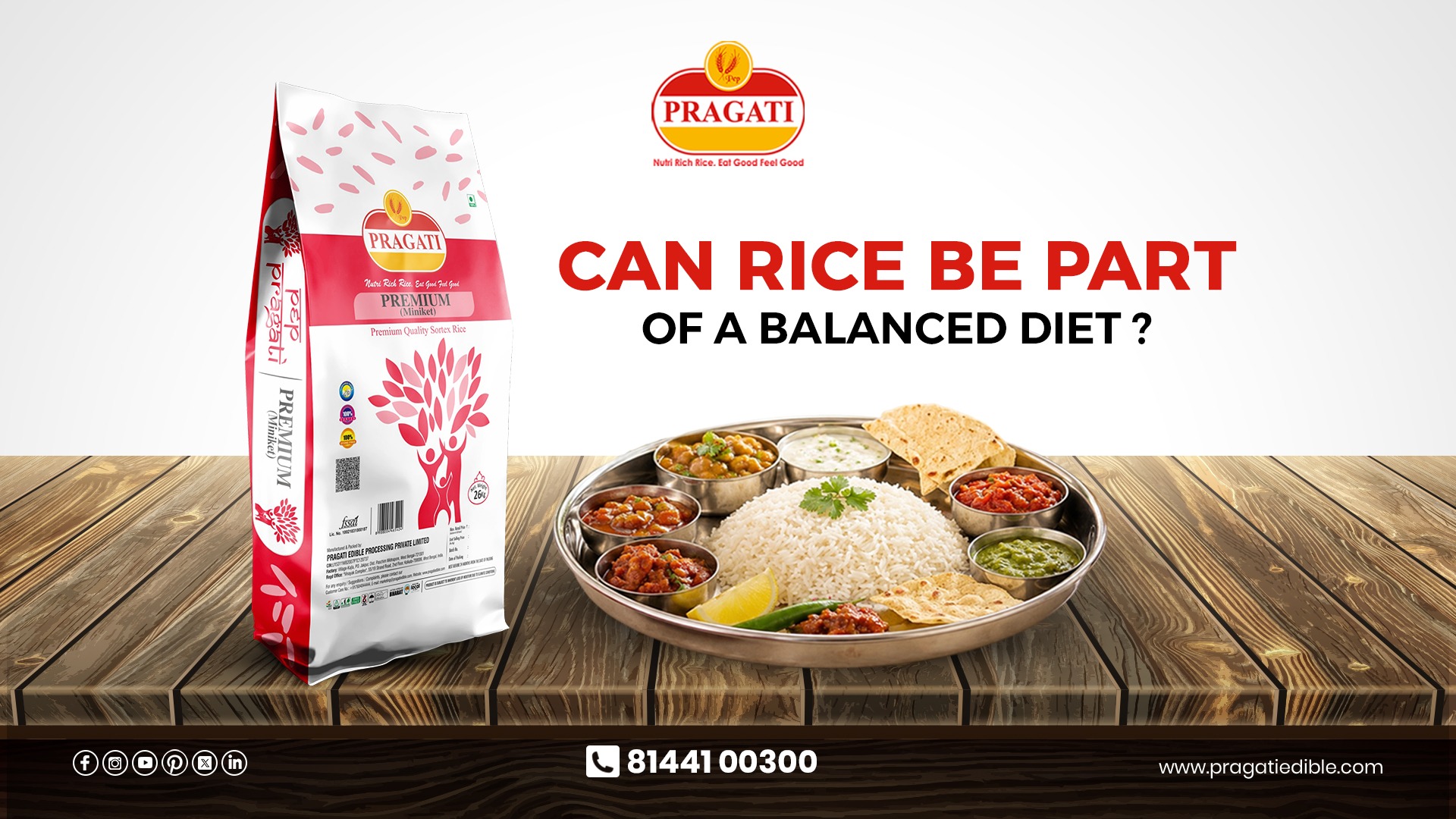
Can Rice Be Part of a Balanced Diet?

Here’s the Truth


There’s something deeply comforting about the sound of steaming rice being served onto a plate.

For generations across Bengal and India, rice has not just been food; it has been memory, warmth, celebration, and everyday survival. From a simple bowl of dal-bhaat after a long day to festive khichuri on a rainy afternoon, rice has quietly remained at the heart of Indian kitchens.

Yet in recent years, rice has often been unfairly blamed in conversations around healthy eating. “Does rice cause weight gain?” “Should rice be avoided in a balanced diet?” “Is rice unhealthy?”

The truth is far simpler and far more reassuring.

Rice, when eaten mindfully and paired with wholesome foods, can absolutely be part of a balanced diet. At Pragati Rice, every grain is processed with care to retain quality, freshness, and purity, bringing nutritious and flavourful rice varieties to households across India. 


Why Rice Has Always Been a Trusted Staple


Rice is one of the most widely consumed grains in the world because it is versatile, easy to digest, and naturally filling. In Indian households, rice often becomes the foundation of balanced meals that include lentils, vegetables, fish, eggs, curd, or lean proteins.

A healthy diet is not about eliminating a single food group. It is about balance, portion awareness, and nutritional variety.


Rice provides:

  • Carbohydrates that supply energy for daily activities
  • Naturally low-fat nourishment
  • Easy digestibility for children and elders
  • Comforting satiety that keeps meals satisfying
  • Flexibility to pair with nutrient-rich foods

Parboiled rice, especially, is valued for preserving several nutrients during processing. 


The Real Problem Is Often the Plate – Not the Rice


Rice itself is not unhealthy. What matters more are these factors:

  • Portion size
  • Cooking style
  • What accompanies the rice
  • Overall lifestyle habits


A balanced plate usually contains:

  • Rice or grains
  • Protein sources like dal, fish, paneer, chicken, or eggs
  • Fibre-rich vegetables
  • Healthy fats in moderate amounts


When rice is consumed alongside vegetables, pulses, and proteins, the meal becomes nutritionally complete and satisfying.

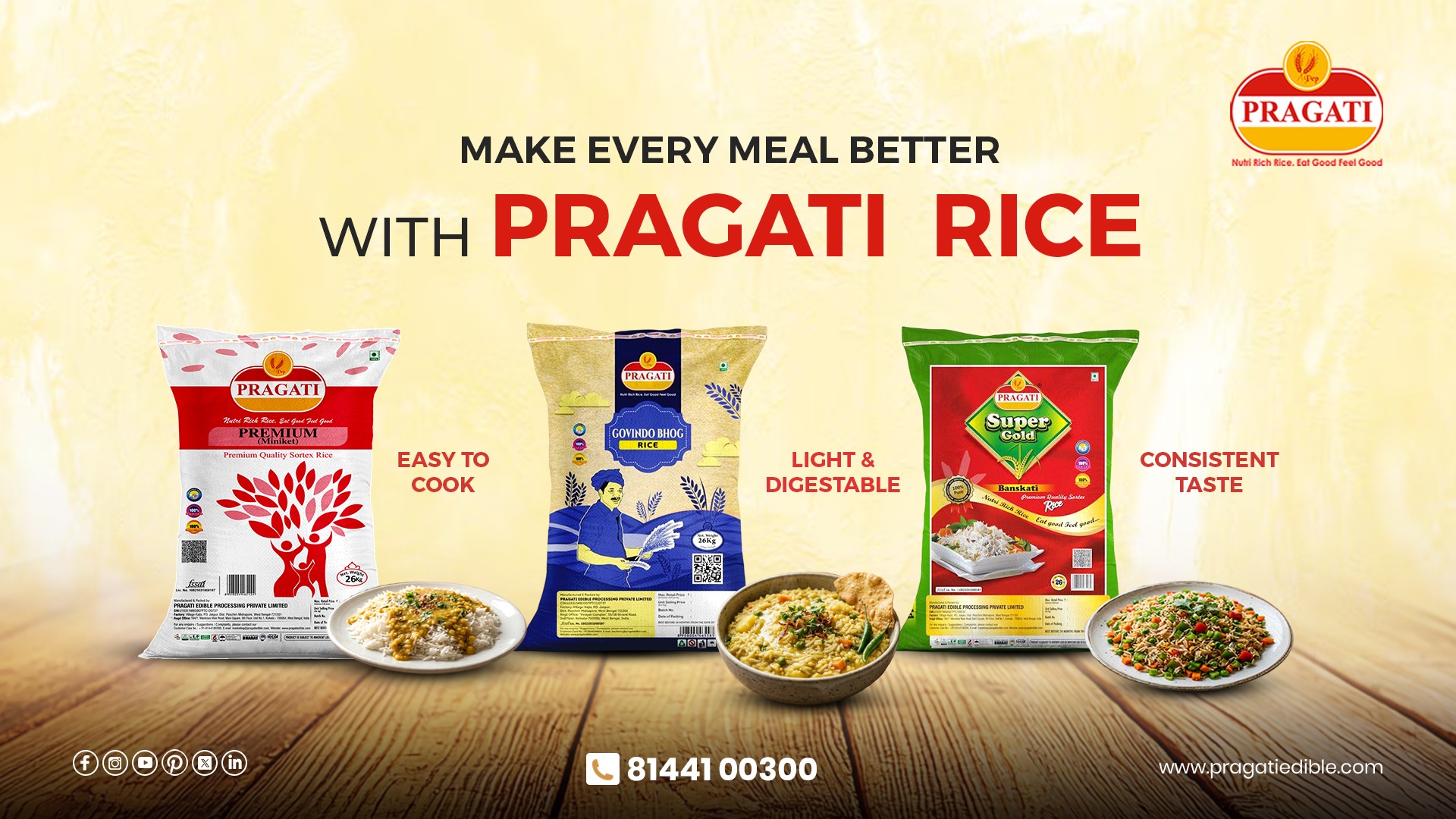
For daily wholesome meals, many Bengali households prefer varieties like Pragati Premium Miniket Rice because of its light texture, comforting taste, and suitability for regular home-cooked meals. 


Choosing the Right Rice Makes a Difference


Not all rice varieties serve the same purpose. Different grains bring different textures, aromas, and meal experiences.


For Everyday Balanced Meals: Miniket Rice

Miniket rice has become a household favourite in Bengal for good reason. It cooks soft, feels light on the stomach, and pairs beautifully with simple home meals. A bowl of steamed Miniket rice with moong dal, sautéed vegetables, and fish curry creates a nourishing everyday lunch that feels both satisfying and balanced.

Pragati Rice offers carefully processed Miniket rice varieties that are known for their consistency and quality, making them ideal for regular family meals.


For Comfort Foods and Festive Dishes: Gobindobhog Rice

Some aromas instantly transport you back home. The fragrance of Gobindobhog rice bubbling gently in ghee is one of them.

Traditionally cherished in Bengal, Pragati Gobindobhog Rice is often used for khichuri, payesh, pulao, and festive preparations because of its rich aroma and soft texture.

Even celebratory foods can be enjoyed mindfully when portions are balanced, and meals include vegetables, protein, and moderation.


For Traditional Bengali Meals: Banskati Rice

For many Bengali families, everyday meals are incomplete without the familiar comfort of traditional rice varieties. 

Pragati Banskati Rice complements classic Bengali dishes beautifully – from light vegetable curries to hearty fish preparations. The right rice does more than fill a plate. It shapes the entire meal experience.


Can Rice Help Support an Active Lifestyle?


Yes, definitely; rice provides carbohydrates, which are one of the body’s primary energy sources. Active individuals, students, professionals, and growing children often benefit from balanced meals containing rice.


The key lies in mindful eating habits:

  • Prefer freshly cooked meals over heavily processed foods
  • Pair rice with fibre-rich vegetables and proteins
  • Avoid excessive fried accompaniments regularly
  • Practice portion awareness instead of food restriction
  • Maintain regular physical activity

Extreme food restrictions are often difficult to sustain. Balanced eating patterns are far more practical and healthier in the long run.


Rice and Weight Management: What You Should Know


One of the biggest misconceptions is that eating rice automatically leads to weight gain.

Weight management depends on overall calorie balance, lifestyle, sleep, physical activity, and dietary habits, not on one ingredient alone.

In fact, rice-based meals can feel more satisfying and emotionally comforting than restrictive diets, helping people maintain sustainable eating habits. A moderate portion of rice with dal, vegetables, and lean protein is often more nourishing than skipping meals entirely. The focus should always remain on balanced nutrition rather than fear-based eating. 


The Emotional Side of Food Matters Too


Healthy eating is not only about numbers and calories. Food is deeply emotional. It is the smell of rice being cooked before family gatherings. It is mothers serving second helpings with affection. It is rainy afternoons with khichuri. It is the comfort of coming home.

Completely disconnecting from traditional foods often makes healthy eating feel joyless and unsustainable. Balanced diets work best when they include foods people genuinely love and connect with. That is why rice continues to remain central to millions of healthy Indian meals. 


Bringing Balance Back to the Plate

The truth is simple. Rice is not the enemy of healthy eating. When chosen carefully, cooked mindfully, and paired with nutritious ingredients, rice can absolutely be part of a balanced and wholesome diet. 

At Pragati Rice, thoughtfully processed rice varieties such as Miniket Rice, Gobindobhog Rice, and Banskati Rice continue to bring quality, taste, and nourishment to Indian kitchens every day. Because sometimes, balanced eating is not about giving up comfort. It is about learning how to enjoy it wisely. 


FAQs

1. Can rice be eaten daily in a balanced diet?

Yes, rice can be part of a balanced daily diet when eaten in moderate portions alongside vegetables, pulses, and protein-rich foods. Choosing quality rice varieties and maintaining portion balance is important. 


2. Which rice is best for healthy everyday meals in India?

Rice varieties like Miniket rice are commonly preferred for everyday Indian meals because they are light, versatile, and pair well with balanced home-cooked dishes.


3. Is parboiled rice healthier than regular white rice?

Parboiled rice may retain more nutrients during processing compared to regular polished white rice. It is also appreciated for its texture, digestibility, and suitability for daily meals.
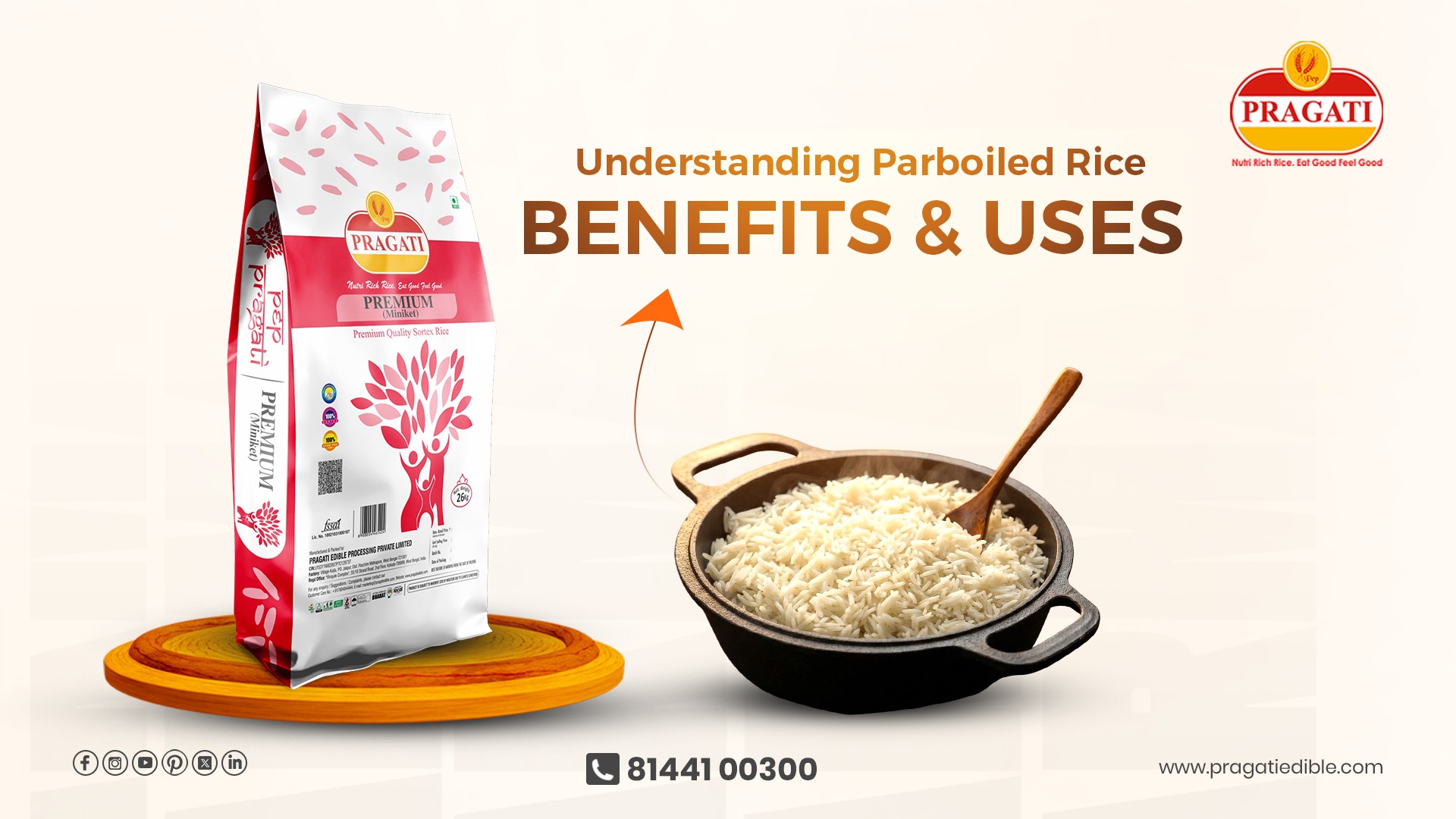
Why Parboiled Rice is the “Powerhouse” Grain You’ve Been Missing

Think all white rice is just “empty carbs”? Think again. Discover how the unique steaming process of Parboiled Rice locks in 80% of its natural vitamins. Learn why it’s the smarter, low-GI choice for weight management and easy digestion without giving up your favourite meals.

Rice is more than just a staple food in Indian households – it is comfort, tradition, and an essential part of everyday meals. Among the wide variety available today, Parboiled Rice has become increasingly popular for its nutritional value, texture, and versatility. Whether it is daily lunch, festive meals, or large family gatherings, parboiled rice fits perfectly into every kitchen.


At Pragati Edible, quality rice is carefully processed to ensure purity, taste, and consistency. From Miniket Rice to premium Parboiled Rice, Pragati focuses on delivering rice that meets the needs of modern households while maintaining traditional authenticity.


In this blog, let us understand what Parboiled Rice is, its health benefits, common uses, and why it has become a preferred choice for families across India.


What is Parboiled Rice?


Parboiled Rice
is rice that undergoes a special process before milling. The paddy is soaked, steamed, and dried before the outer husk is removed. This process helps the grains absorb nutrients from the bran, making the rice more nutritious compared to regular white rice.

Unlike ordinary rice, Parboiled Rice has a firmer texture, remains separate after cooking, and is less sticky. This makes it ideal for daily meals as well as large-scale cooking.

Many households today prefer Pragati Parboiled Rice because it combines nutrition, quality, and consistency in every grain.


Benefits of Eating Parboiled Rice


1. Rich in Nutritional Value

One of the biggest advantages of Parboiled Rice is its improved nutritional profile. The steaming process allows essential nutrients to move into the grain before polishing.

Compared to regular white rice, Parboiled Rice contains:

  • More vitamins and minerals
  • Better fiber retention
  • Improved nutritional balance


This makes it a practical option for families looking for healthier meal choices without compromising on taste.


2. Easy to Digest 

Many people choose Parboiled Rice because it is lighter on the stomach and easy to digest. Its cooking structure makes it suitable for regular daily consumption. 

This is one reason why Pragati Miniket Rice and other Pragati Parboiled Rice varieties are commonly used in Bengali households and across Eastern India.


3. Non-Sticky Texture

Nobody enjoys mushy rice during meals. A major reason behind the popularity of Parboiled Rice is its ability to remain fluffy and separate after cooking.

Whether you are preparing:


  • Dal-rice combinations
  • Fish curry meals
  • Fried rice
  • Pulao
  • Everyday Bengali thalis


Parboiled Rice maintains an excellent texture throughout the meal.


4. Longer Shelf Life

Because of the special steaming and drying process, Parboiled Rice generally has a longer shelf life compared to regular rice. It is less prone to spoilage and maintains grain quality for extended periods when stored properly.

For households purchasing rice in bulk, this becomes an important advantage.


5. Suitable for Everyday Cooking

One of the best things about Parboiled Rice is its versatility. It works beautifully in daily cooking and adapts well to different cuisines and recipes.

Families often choose Pragati Rice because the grains cook evenly and pair perfectly with traditional Indian dishes. 


Popular Uses of Parboiled Rice


Daily Home Meals

The most common use of Parboiled Rice is for everyday lunch and dinner preparation. Its balanced texture complements the following:

  • Dal
  • Vegetable curries
  • Fish preparations
  • Chicken curry
  • Egg curry


In many homes, Miniket Rice is preferred for regular consumption because of its softness and aroma.


Ideal for Bengali Cuisine

In Bengali households, rice is central to almost every meal. Pragati Miniket Rice is widely appreciated for preparing traditional dishes such as the following:

  • Bhaat
  • Shorshe Maach
  • Cholar Dal
  • Aloo Bhaja
  • Mutton Curry


Its non-sticky nature helps enhance the entire dining experience.


Perfect for Large Gatherings

Because the grains remain separate after cooking, Parboiled Rice is highly preferred for the following:

  • Community feasts
  • Catering services
  • Wedding meals
  • Festive cooking


The rice remains visually appealing and maintains consistency even when cooked in large quantities.


Fried Rice & Pulao Preparations

The firm grain structure of Parboiled Rice makes it excellent for recipes where separate grains are important.


It works especially well for:

  • Fried rice
  • Jeera rice
  • Vegetable pulao
  • Light biryani dishes


This is why many chefs and home cooks prefer high-quality Pragati Rice products.


Why Choose Pragati Rice?

When choosing rice for your family, quality matters the most. Pragati Edible has built trust by focusing on purity, consistency, and customer satisfaction.

Here’s why consumers trust Pragati Rice:


Carefully Processed Grains

Every grain is processed with attention to hygiene and quality standards.


Consistent Taste & Texture

Whether it is Miniket Rice or premium Parboiled Rice, consistency remains a key strength.


Trusted Household Brand

Pragati has become a reliable choice for families seeking premium-quality rice for daily meals.
 

Farm-to-Home Commitment

Through its focus on quality sourcing and processing, Pragati’s Farm-to-Home approach ensures freshness and authenticity.


Tips for Cooking Perfect Parboiled Rice

To enjoy the best texture and flavour from Parboiled Rice, follow these simple cooking tips:

  1. Wash the rice properly before cooking.
  2. Soak for 15–20 minutes for a softer texture.
  3. Use the right water ratio depending on the rice variety.
  4. Avoid overcooking to maintain grain separation.
  5. Let the rice rest for a few minutes after cooking.


Using premium-quality Pragati Parboiled Rice helps achieve better results naturally.

Conclusion

Rice continues to be an inseparable part of Indian meals, and Parboiled Rice stands out because of its nutritional benefits, texture, and cooking versatility. From everyday home meals to festive occasions, it delivers consistency, taste, and convenience.

Whether you are looking for high-quality Miniket Rice for daily consumption or premium Parboiled Rice for family meals, Pragati Edible offers trusted options designed for modern households.

Choosing the right rice is not just about food – it is about bringing quality, satisfaction, and tradition to every plate. With Pragati Rice, every meal becomes more wholesome and enjoyable.


Myth and Reality


Myth:
Parboiled rice takes too long to cook.

Reality: It takes nearly the same time and stays fluffy longer.


Myth: It has a strong smell.

Reality: High-quality brands like Pragati ensure a clean, natural aroma.


Myth: It is Reality: Chemically treated.

Reality: It is a 100% natural process using water and steam.


FAQs

1. What is the difference between regular rice and Parboiled Rice?

Parboiled Rice is partially boiled before milling, which helps retain nutrients and gives the grains a firmer, non-sticky texture compared to regular white rice.


2. Is Pragati Miniket Rice suitable for daily meals?

Yes, Pragati Miniket Rice is an excellent choice for daily meals because of its soft texture, pleasant aroma, and ease of cooking.


3. Which dishes can be prepared using Pragati Parboiled Rice?

You can prepare everyday meals, Bengali dishes, fried rice, pulao, curry-based meals, and festive recipes using Pragati Parboiled Rice.

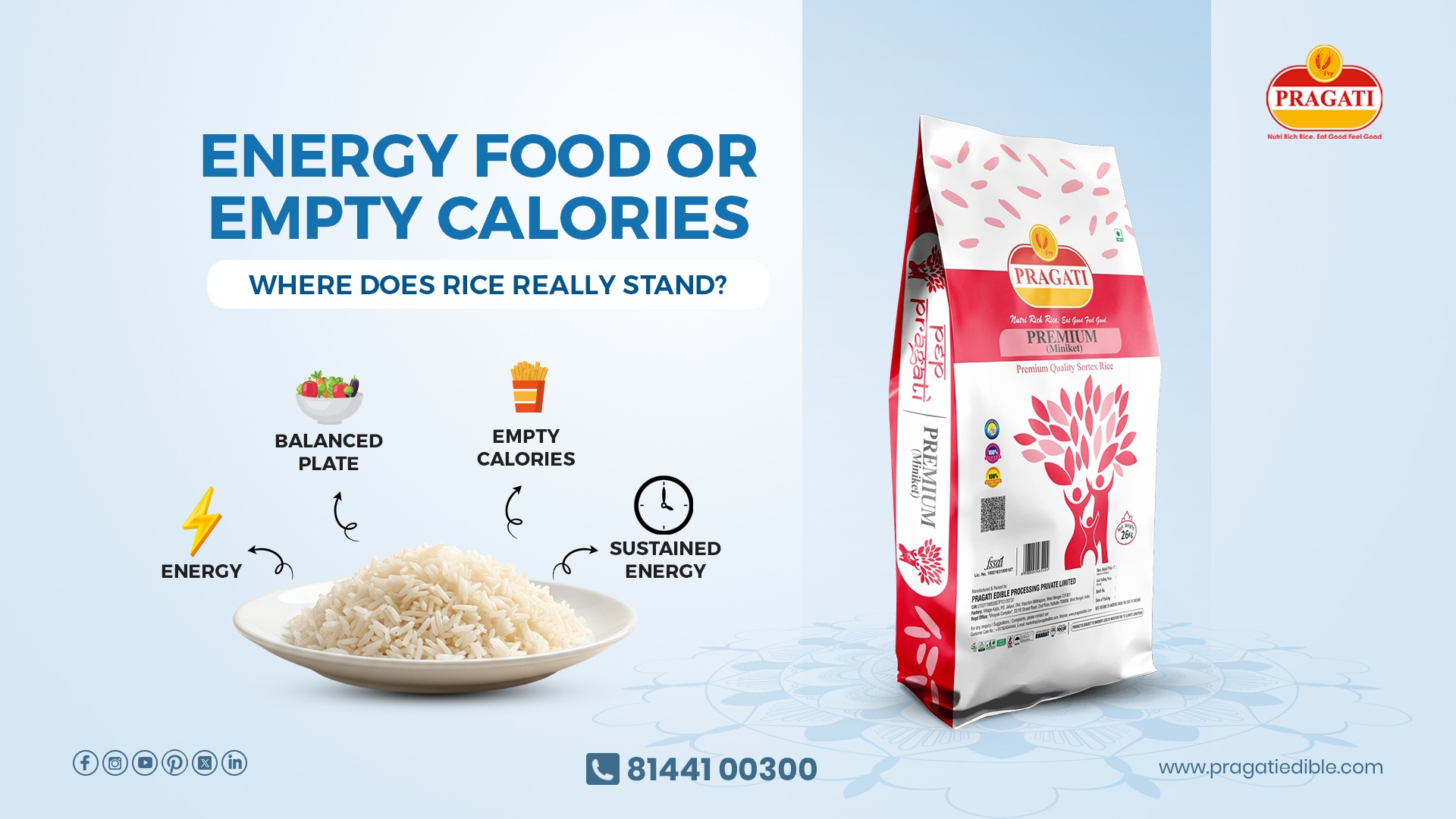
Rice for Daily Consumption: Energy Food or Empty Calories – The Truth Your Plate Needs to Know


When people talk about healthy eating, rice often ends up on the “avoid” list. Many ask us, ‘Is rice healthy for daily consumption? Is it just empty calories? Should we stop eating rice to stay fit?’ 

At Pragati Rice, we believe the real answer lies in understanding your plate, not fearing it.

Rice is not the villain it is often made out to be. In fact, when you choose the right daily consumption of rice, pair it wisely, and consume it in balance, rice becomes a dependable source of energy and nourishment for your family. 

For most Indian households, especially in Bengal, rice is not just food; it is comfort, culture, and consistency. At Pragati Rice, we bring you quality parboiled rice for daily use, crafted to support everyday meals with both taste and nutrition.

Is Rice Really Empty Calories?


Let us clear this myth first. “Empty calories” usually refer to foods that provide calories but very little nutritional value, like sugary drinks, deep-fried snacks, or processed junk food.

Steamed rice is different. Good quality non-basmati rice, especially parboiled rice, provides carbohydrates that your body uses as fuel. It helps you stay active through the day and supports sustained energy rather than short bursts followed by fatigue. 

At Pragati Rice, we process various rice types, including white rice, steam rice, and parboiled rice, with a strong focus on quality and consistency. Our plant in Kharagpur, West Bengal, known as the “Rice Bowl of India”, is built around delivering dependable everyday rice for Indian families.

So no, rice is not automatically empty calories. The real question is: ‘What kind of rice are you eating, and what are you eating it with?’  


Why Pragati Parboiled Rice is Ideal for Daily Consumption


In Bengal and many eastern Indian households,
parboiled rice is the everyday choice. Pragati itself highlights that the average Bengali household consumes parboiled rice daily, while long-grain basmati is usually reserved for special occasions.

That is why we recommend Pragati Parboiled Rice as the ideal rice for daily meals. Why? Because the parboiled rice goes through soaking, steaming, and drying before milling, helping maintain grain strength, texture, and cooking quality. 

It gives you: 

  • Better texture after cooking
  • Less sticky grains
  • Comforting taste for regular meals
  • Better suitability for dal-rice, sabzi-rice, fish curry, and everyday thalis
  • Reliable satiety that keeps you full longer

This makes it one of the best options for families looking for healthy rice for daily use


Rice Gives Energy – And Your Body Needs It


Carbohydrates are your body’s primary fuel source.

If you work long hours, manage a household, study, or simply live an active life, your body needs consistent energy, not just quick fixes. A well-cooked plate of Pragati daily consumption rice helps provide that fuel.

But here is the key: Rice should not be eaten alone.

Rice works best as part of a balanced plate, with dal, vegetables, fish, eggs, paneer, or lean protein. That is where the real nutrition happens. That is why we say, ‘Balance your plate, not eliminate rice.’ 


The Problem Isn’t Rice, It’s Imbalance


Many people blame rice for weight gain, but often the issue is portion imbalance. Too much rice + too little vegetables + no protein + inactive lifestyle = poor results. But
balanced rice meals are different. If your plate includes: 

  • One portion of Pragati steamed rice
  • A bowl of dal
  • Seasonal vegetables
  • Protein sources like fish, chicken, eggs, or paneer

You are building nourishment, not just calories. 

Rice should support your meal, not dominate it. This is exactly why choosing the best rice brand for everyday cooking matters.


Quality of Rice Matters More Than People Think


Not all rice is the same. Many consumers buy rice based only on price or the retailer’s suggestions. But quality affects taste, digestion, texture, and overall experience.

Pragati also emphasises that consumers should understand issues like mixing, broken rice, artificial polish, moisture imbalance, and poor-quality grains that reduce rice quality.


When you choose premium parboiled rice, you are choosing:

  • cleaner grains
  • better cooking consistency
  • natural texture
  • healthier consumption habits
  • improved taste in everyday meals 

At Pragati Rice, quality is not a claim; it is our topmost priority.


Why Families Trust Pragati Rice


We understand that rice is not an occasional ingredient; it is a daily essential. That means trust matters. Our focus is simple: Good rice. Consistent quality. Everyday satisfaction. 

Whether your kitchen prefers Miniket rice, Swarna rice, or dependable parboiled rice, we ensure that every grain supports better meals and better decisions. Because rice should not make you feel guilty. It should make you feel nourished. 


Final Thought: Rice Belongs on Your Plate


Rice is not your enemy. Junk food loaded with sugar and empty fats? That deserves the “empty calories” label. But a balanced meal with
quality rice? That is energy food.

At Pragati Rice, we believe your daily meals should be both satisfying and sensible. Choosing the right rice for daily consumption in India means choosing nourishment, consistency, and quality.

So the next time someone asks, “Energy food or empty calories?” You already know the answer.

With the right rice, the right portion, and the right plate, rice stands exactly where it should, at the centre of healthy everyday living. 


FAQs

1. Is rice healthy for daily consumption? 


Yes, rice can absolutely be healthy for daily consumption when you choose quality rice like Pragati Rice and pair it with a balanced meal. Rice provides essential carbohydrates that act as your body’s primary energy source. When combined with dal, vegetables, and protein, it becomes part of a wholesome and nourishing diet rather than just extra calories.


2. Which is the best parboiled rice for daily family meals? 


The best parboiled rice for daily family meals is one that offers good texture, consistent quality, and reliable taste for everyday cooking. Pragati Parboiled Rice is a great choice because it is suitable for regular meals like dal and rice, sabzi and rice, and fish curry, while also helping you stay full and energised for longer.


3. How do you choose healthy rice for everyday cooking? 


To choose healthy rice for everyday cooking, look for clean grains, proper texture, minimal broken rice, and consistent cooking quality. A trusted brand like Pragati Rice ensures better quality and dependable results. Choosing parboiled rice for daily use is often a smart option because it supports balanced meals and sustained energy throughout the day.

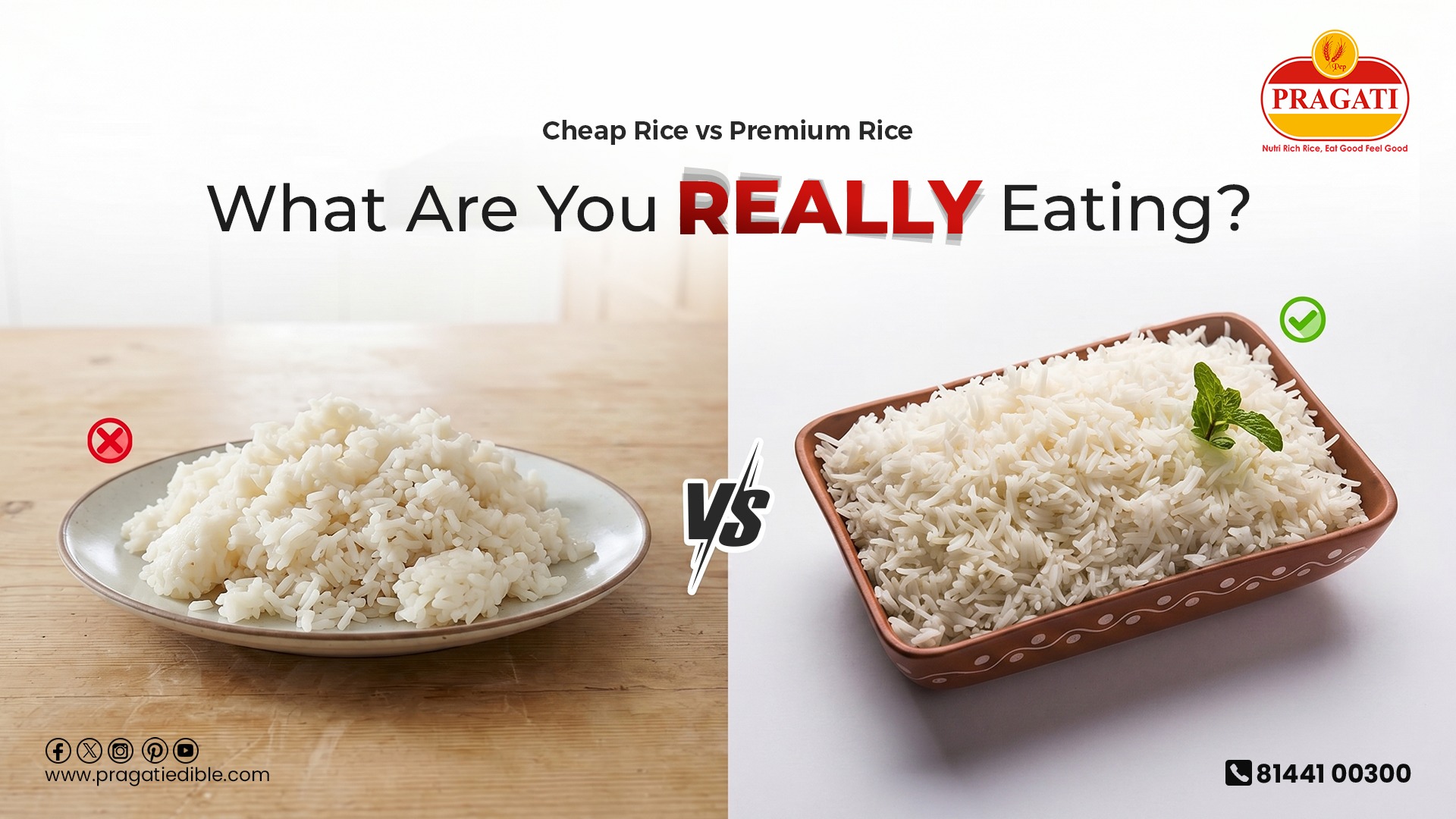
Cheap Rice vs Premium Rice What Are You Really Eating

The Hidden Truth Behind Your Daily Rice 

The purchasing of rice requires the buyer to examine its quality to understand if it meets the particular requirements of the household. It has to be kept in mind that “not all rice on your plate is the same” since the quality matters a lot, determining the premium rice benefits. Most of the manufacturers of rice polish the product with various technologies to make it better in appearance. Although this manner of refinement reduces the nutritional value of the rice grains, removing the layer of bran eliminates the fibre quotient of the rice. 


The market price of the refined products is quite high, yet they do not evidently provide premium quality products. Depicting the best quality rice in India requires you to learn basic details of the refinement process of the brand and how they deliver the products to the market. Buying expensive rice does not guarantee better quality of the product, as the technology of refining rice grains has been upgraded, and the market price has also spiked significantly, making it harder to decide which product to choose. Deciding between cheap rice vs premium rice requires you to understand how the rice grains have been refined and then packaged to understand how they can impact your long-term health aspects. 


What Defines Cheap Rice vs Premium Rice?

Identifying the quality of a rice grain depends on many external factors that are related to the refining process of the grain itself. Removing the bran coating has become one of the most effective approaches to rice refinement since it enhances the brightness of the rice while influencing its cooking temperature. To understand the difference and to point out which is better, polished vs unpolished rice, you need to understand what your requirement is. Polished rice grains produce softer-textured rice, which can be cooked within a short amount of time. As this refining method eliminates the fibre elements from the rice grain, along with various vitamins and mineral contents, it reduces the overall nutrition of the rice. 

  • Cheap Rice: 
    • Mostly over-polished, resulting in a bright but less healthy choice.  
    • Deliberate packaging with mixed products, like broken grains mixed in. 
    • Focuses on low-cost management, yet delivers products without any consistency in quality. 
    • Paying for better packaging but not a premium quality product. 
  • Premium Rice: 
    • An advanced process of refinement with consistency in the quality of the product. 
    • Uniformity in grain size and colour with better milling facilities and controlled sourcing. 
    • Better flavour with the natural aroma of the rice grain. 
    • Cleaner packaging with consistent product quality and no compromise regarding rice grains or mix-up with broken grains. 


The Processing Difference: What Happens Before It Reaches You 

How the rice is processed determines the outcome of the product as it is refined and polished, and then packaged before it reaches your doorstep. Polishing of the rice grains significantly reduces the level of fibre in it as the outer layer of bran gets eliminated, removing its nutritional value along with the natural vitamins and minerals. Although various brands exist in the Indian market, the approach of high-quality rice brands such as Pragati Rice focuses on the delivery of quality products at minimal pricing. Healthy rice choices require you to understand the difference between a nutritious product and a better-looking product that is mostly starch-based with no nutrients whatsoever. 


Nutritional Comparison: What Are You Really Eating? 

Identifying how to choose good rice can be quite difficult since it can look quite luxurious while having no nutritional value at all. Understanding the nutritional value of rice can be determined by the level of its vitamins, fibre and minerals that require proper balancing while processing the grains. Determining how to identify good quality rice at home can be evaluated with a few checkpoints, which are the following: 

  • Cheap Rice: 
    • Low level of fibre quotient in the rice.  
    • Reduced quantity of minerals and vitamins like B1 and B6. 
    • Lower level of Glycemic Index (GI) with a slower ratio of energy release. 
    • Fats that are heart-healthy are removed during the polishing method, reducing their level of antioxidants with other components like gamma-oryzanol. 
    • Without the fibre element, the rice grain loses its satiety, resulting in weight gain. 
  • Premium Rice: 
    • Retainment of fibre through the bran layer of the grain. 
    • Vitamin B, E and heart-friendly antioxidants get retained within the rice grain. 
    • Easier to digest while providing better nutritional value. 
    • Determining factors of weight management with its present fibre elements. 
    • Provides more energy after consumption. 


Taste, Texture & Cooking Experience 

Rice is important for more than just nutrition; it also affects how your meals taste and feel. 

  • Rice for a low price
    • Could get sticky or mushy.
    • Inconsistent cooking results.
    • Doesn’t have a smell or depth. 
  • High-Quality Rice
    • Grains that are fluffy and well-separated.
    • A strong natural scent.
    • Consistent cooking results. 


Premium rice grain quality factors make any meal better, whether it’s a simple dal-chawal meal or a festive pulao. You not only eat better, but you also enjoy it more.  


Health Impact: Short-Term Savings vs Long-Term Cost 

Choosing cheaper rice may seem economical today, but over time, the hidden costs can add up since the benefits of unpolished rice are quite significant compared to the polished grains.

  • With Rice for Cheap
    • Feeling hungry sooner is caused by lower satiety.
    • Less food intake.
    • Possible effects on blood sugar levels. 
  • With Premium Rice 
    • Meals that are more filling and balanced.
    • Better digestion.
    • More consistent energy release.  


Food is not just about filling your stomach; it’s about nourishing your body with the nutritional value of rice. And when rice is a daily staple, that choice matters more than you think. 


Purity & Safety: What You Don’t See Matters 

One of the most overlooked aspects of rice is purity, which becomes significant while comparing polished vs unpolished rice. Cheap rice often goes through fewer stringent quality checks. This can lead to: 

  • Presence of contaminants.
  • Bad conditions for storage.
  • Poor hygiene.


On the other hand, premium rice is backed by:

  • Very strict quality control processes.
  • Cleaning and sorting at a higher level.  
  • Clean packaging. 


Brands like Pragati Rice work hard to make sure that the rice they sell is safe, consistent, and trustworthy, so you can be sure that what you eat is the best.  


Value vs Price: The Smart Buyer’s Perspective 

It’s easy to compare rice based on price per kilogram during rice quality comparison. But a smarter approach is to evaluate value. 

  • Rice for a low price:
    • Lower initial cost.
    • Less nutrition and quality.
    • Possible waste because of bad cooking. 


  • High-Quality Rice:
    • A little bit more expensive. 
    • Better taste and quality.
    • More nutrients. 
    • More happiness with each meal. 

Most of the time, premium rice benefits are better for your health and your meals in the long run. 


How to Identify Good Quality Rice  

Want to make a better decision the next time you shop? Here are some easy tips:

  • Check for uniformity in the grain: the size and shape should be the same.
  • Check for cleanliness: there shouldn’t be any dust or other particles.
  • Good rice has a mild, natural smell.
  • Don’t buy grains that are too shiny; this could mean they were polished too much.
  • Check the percentage of broken grains: the fewer broken grains, the better the quality.


Paying attention when you buy something can make a big difference on your plate.


Conclusion: Choose Better, Eat Better 

Rice isn’t just something you buy at the store; it’s a part of your daily life, as habits affect health in a subtle yet direct manner. There is a lot more to the difference between cheap and expensive rice than just the price. It’s about: 

  • The nutrients your body gets.
  • How does your food taste and feel? 
  • The effect on your health over time. 

Choosing good rice isn’t a luxury; it’s a smart choice. When you buy rice from a trusted brand like Pragati Rice, you’re not just getting rice; you’re also getting purity, consistency, and care in every grain. When it comes to the food you eat every day, quality is not a luxury; it’s a must.  

How to Choose Rice for Your Different Household Needs


1. Introduction 

Choosing rice for your daily consumption, special occasions, or traditional cuisine requires you to understand your specific needs when looking for it in the market. In almost every Indian household, rice is a mandatory dish that is not only a staple food but also a constant source of nutrition. With the proper choice of rice grains, every dish becomes tastier and healthier, which can also fulfil the daily nutritional needs. Mostly, the primary types of rice grains are differentiated into three categories, which are – Miniket rice, Banskati rice, and Gobindobhog rice. Choosing rice grains for different types of dishes requires you to identify the best features of the rice while understanding the suitable aspects for the dish itself. The best rice for daily cooking can be a little difficult to find among all the brands, yet the reputation of the Pragati Rice Diamond Miniket is quite distinctive. As there is no compromise in the quality of the rice grains in Pragati Edible Processing Private Limited, it has gained a significant consumer base all over India. 


2. Rice and its most popular categories


Miniket Rice

Miniket Rice is suitable for regular consumption since it is medium-grained and has a very light-weighted that suits the needs of daily meals. This rice is quite affordable and is easy to cook rice in India. This type of rice grain goes well with daily household dishes since it suits the indian cuisine in most of the aspects due to its soft texture that cooks within very little time. 


Banskati Rice

The difference between Miniket and Banskati rice depends on its texture, as the taste and texture of these two types of rice grains are distinctive. Banskati rice is long-grained and has a significant aroma that exaggerates its texture after cooking. It is the best rice for biryani vs daily cooking since this rice falls under the category of premium. 


Gobindobhog Rice

The Gobindobhog rice uses and benefits are mostly required for traditional cooking that sustains both texture and flavour, along with its sweet and divine fragrance. This is one of the short-grain rice varieties that has its own flavour and is a little sticky in texture, which is appropriate for Indian traditional dishes such as pulao, payasam, and other similar recipes. During festivities, choosing between Banskati and Gobindobhog rice can be a significant debate, as both are used for celebrations; however, for ritualistic purposes in festivals, nothing can replace Gobindobhog rice. 


3. Primary differentiation factors of rice – a brief comparison 


Here, we have depicted the most intricate aspects of these rice variations, which sustain the queries regarding the different cuisine bases for Indian households. Through this comparison, the attributes of the different types of rice grains can gain more clarity, defining
which rice is best for daily use for an Indian family. 


Features of Miniket Rice:   

  • Grain type: Medium 
  • Texture: Soft, slightly sticky  
  • Aroma: Mild   
  • Suitable for: Daily meals 
  • Price Range: Affordable  


Features of Banskati Rice:   

  • Grain type: Long  
  • Texture: Fluffy, non-sticky  
  • Aroma: Strong Distinct   
  • Suitable for: Special dishes  
  • Price Range: Premium 


Features of Gobindobhog Rice:   

  • Grain type: Short  
  • Texture: Sticky, rich  
  • Aroma: Sweet   
  • Suitable for: Traditional dishes  
  • Price Range: Premium  


4. How to choose your rice as per your dishes!


Different recipes require the rice grains to be suitable for the cooking process, since the texture of the rice grains is the most important factor that defines the quality and taste of the food item. The most significant aspects of the
types of rice in India comparison have been presented below to understand which of these are the most suitable for daily consumption. 


Miniket Rice for everyday meal

Every household has its own preferences in food choices that provide proper nutrition alongside taste and texture as well. In India, every household has its own concept of an ideal meal, although almost all of them are paired with rice. Dal and chawal (pulses and rice), sabzi (vegetables), or curries are perfect with soft and fluffy rice. As the Pragati Rice Diamond Miniket suits these types of everyday dishes, it has become one of the most popular brands in India. With a manageable miniket rice price, approaching your daily comfort meals becomes convenient to cook, signifying it as the best rice for Indian cooking.  

Affordable quality rice for everyday usage can be sustained with miniket rice, as it provides nutrients quite well while fulfilling the aspects of taste and luxurious texture. Although Miniket rice benefits health in quite a few ways, with iron sufficiency and magnesium, along with vitamin B, it does not need to be cooked in any specific manner, as it is easily digestible. As the benefits of Miniket rice are well adjustable with all the variations of Indian cuisine, it is considered to be the best option for everyday rice in India.


Banskati for Occasion Special Dishes

Banskati rice is a cost-effective substitute for Basmati, which falls under the category of luxury rice, and is one of the most popular types of rice grains that gives a luxurious touch to your everyday home-cooked meals. Dishes that require the rice to be not just fluffy but also aromatic and rich in flavour are mostly cooked with Banskati rice since it provides consistency in taste while enriching the flavour of the food. Though this rice for Bengali meals is quite a suitable option, it still has some drawbacks that do not go well with the everyday rice choice in India. Banskati rice is mostly used for special recipes or occasions such as biryani, fried rice, special pulao dishes, and many more. 

Properly aged rice is the most popular item in the market of Banskati since it produces more elongated rice after cooking, with an intense aroma and less sticky texture. Since aged rice meaning is reduced moisture content with a long-term (almost for 6 to a maximum of 24 months) process of harvest, it is sold as one of the most expensive varieties in the market and is not really suitable for daily consumption. This is why this particular type of rice is mostly used during celebrations or get-togethers, alongside regular restaurant usage. 


Gobindobhog for Recipes that suit both Traditions & Festivals

Gobindobhog rice is one of the most fragrant rice varieties that is mostly used for traditional dishes such as khichdi, Bengali basonti pulao, payesh (payasam), and many more. This rice is considered to be the most suitable option for bhog prasads during any kind of festival. With proper techniques of cultivation and processing, Pragati Rice Mill produces and delivers one of the most reliable qualities of Gobindobhog rice that is rich in its flavour and fragrance. Popular dishes like Bengali pithe are made with Gobindobhog rice, which is also considered the most appropriate rice for khichuri and fried rice as well. 


5. Nutritional aspects with a health-related perspective


Although these three types of rice are different in their features, all of them are suitable for a taste-rich meal plan that can sustain the nutritional aspects, too, while providing nutrients. Here, a brief evaluation has been done that identifies
healthy rice for daily consumption. 


Comparison of the intake – Calorie & Carb

All three of these rice varieties are rich in carbohydrates that provide a high level of energy after intake, yet some distinctive aspects are quite crucial to follow through before choosing any one of these as a regular food supplement. The level of Glycemic Index (GI) of the three varieties is different than one another, which indicates the legitimacy of comparison among Miniket vs Banskati vs Gobindobhog. 


Daily Consumption of Rice and Its Digestibility

As these rice variations are significant for their own features, choosing one among them requires clarity in preferences for dishes or in regularity. Choosing the best rice for bhaat dal becomes less complex since premium miniket rice is the most reliable one for daily consumption due to its easy digestive feature. Banskati rice, on the other hand, has a comparatively lower level of Glycemic Index (GI) than the other varieties; it still has drawbacks that can create diabetic complications alongside other complexities in the human body if consumed daily. Gobindobhog rice is comparatively heavier in texture, making it the most flavourful among the three varieties. 


Choosing the Healthier Rice

As the texture of miniket rice is the most suitable for home-cooked meals, it can be chosen for daily consumption in an Indian household. Since the Miniket rice grains are non-sticky rice for daily use in Indian households, it has become the family’s everyday rice choice in most regions. For the best rice for a soft and fluffy texture, Miniket is the best option that sustains the daily needs of nutrition while providing a rich-tasting rice with fewer digestive complexities. Since miniket rice is light in texture and rich in minerals and vitamins, alongside carbs, it helps to identify the benefits of eating rice in a proper manner. 


6. Cost-effectiveness of this rice


Amidst so many varieties of rice, the three most popular varieties have been depicted and discussed here, which helps to understand the cost-effectiveness of
Miniket Rice further. Miniket is cost-effective while providing a high level of utility, while Banskati costs more due to its longer grains and aroma. Similarly, Gobindobhog rice is also renowned for its rich flavour and aroma, while making it costlier as it belongs to the intricate level of Indian traditions. 


7. Your Personal Guide for Decision-Making


To understand
how to choose good-quality miniket rice, it is essential to identify the needs of your own needs, as there are various brands present in the market that can differ from one another in quality, quantity, and pricing. As Pragati is one of the most affordable rice brands for everyday cooking in India, getting the best quality of rice for your family has become easier. Pragati Rice Diamond Miniket is considered to be one of the most purified and processed grains that provide soft and fluffy rice. For the benefits of Miniket rice, it has become the most popular one in the Indian communities for regular consumption. In order to identify the aspects of why miniket rice is popular in Bengali households, its fluffy texture and nutritional value need to be mentioned, which is also lower in expenses than other varieties of rice. 

Since Miniket Rice has a balanced taste that suits any Indian cuisine with a moderate price range, it is considered the best option for queries or confusion, like which rice is best for daily meals in India. The quality of Pragati Rice Diamond Miniket has become the most popular among the other brands since it focuses on consistent quality of the food, which is significantly reliable for every age group. As this rice grain suits all the cuisines, it can be opted as the best rice for daily cooking in the Indian household. With proper production and processing, Pragati Rice ensures a simple yet wholesome meal for every family, satisfying different needs all at once. 


8. Conclusion – Conscious choices lead to better health


As different needs depend on situations and their preferences, rice grains should be chosen with proper knowledge and understanding of both the dish and the rice. Although
miniket rice is the most suitable one for daily consumption, it does not fulfill the needs of traditional recipes, luxurious dishes, or celebrations. Furthermore, it can be concluded that there is not a single type of rice that can sustain every other need, since it significantly depends on the necessity of the household and the dish preferences. As the pricing structure and the delivery quality in Pragati Rice Diamond Miniket are the best in the market, amidst the other brands, it has become the most reliable one for the needs of everyday rice in India.  Moreover, it can be stated that, with proper sourcing and hygienic packaging of the processed rice, consistency in the size of grains and the texture of rice; Pragati Rice has gained the trust of most of the Indian households, providing proper nutrition and taste to its consumers for generations. 


FAQs


Which rice is best for daily use in India? 

Miniket Rice is the most suitable one for daily household needs as it provides both nutrition and taste within an affordable price range. 


Which rice is most suitable for Bengali meals? 

Since the Bengali cuisine requires the rice grains to be absorbent for better taste, it can be considered the best rice choice for any kind of Bengali meal.

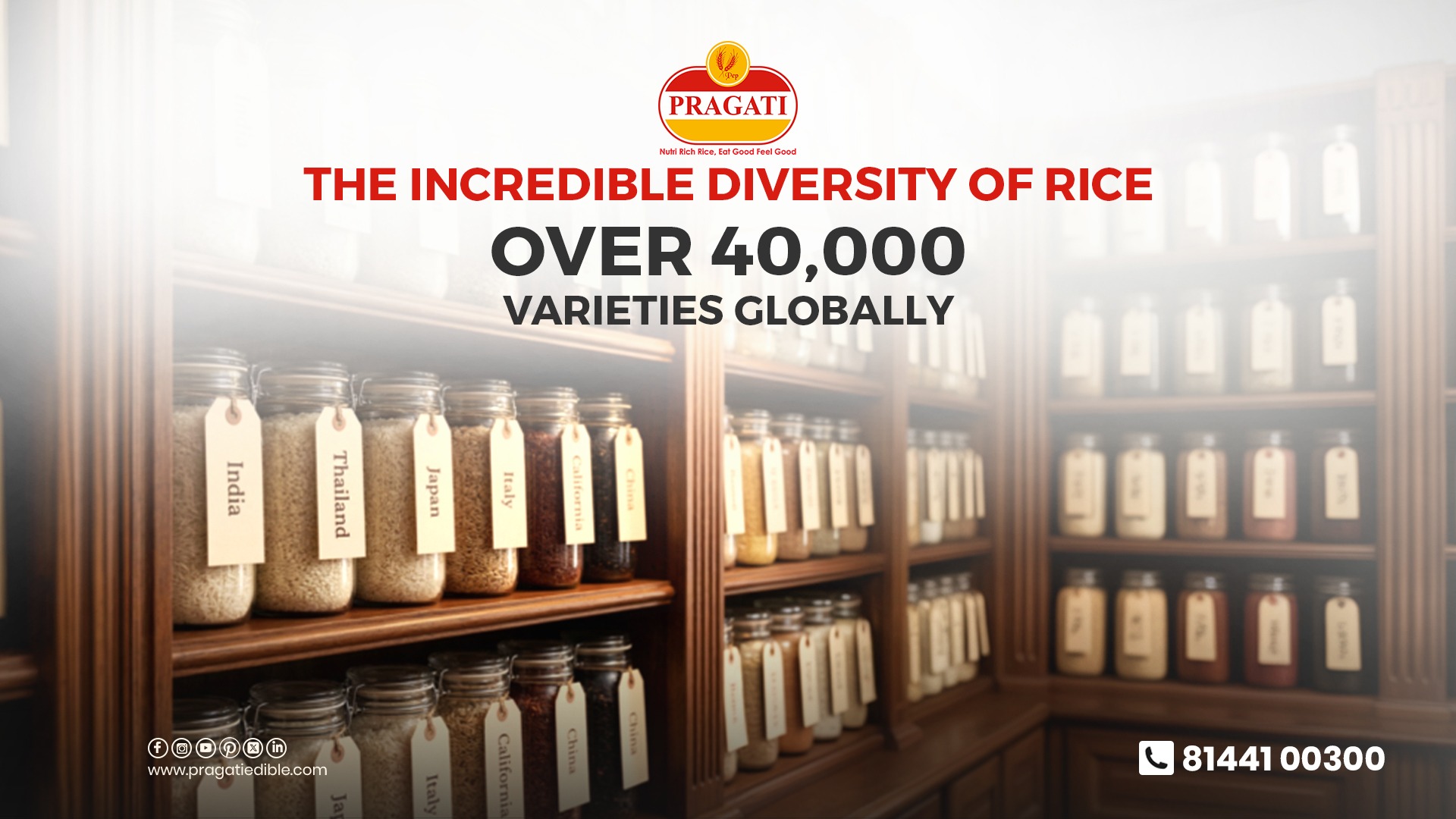
The Incredible Diversity of Rice: Over 40,000 Varieties Globally


Rice is more than just a staple on the plate – it is a story of culture, soil, and tradition. Across the world, billions of people begin their meals with rice. From the comforting bowl of steamed rice served with dal in Indian homes to fragrant rice dishes prepared for celebrations, this humble grain carries centuries of agricultural wisdom and culinary heritage.

What many people may not realise is that there are over 40,000 varieties of rice grown around the world. Each variety reflects a unique climate, farming tradition, and cooking style. Some grains are long and aromatic, some are soft and sticky, and others carry natural colours like red or black. This remarkable diversity makes rice one of the most fascinating crops in global agriculture.

For everyday consumers, choosing rice often starts with simple factors – colour, grain length, aroma, and price. However, there are several other aspects that define the quality and experience of rice on the plate. Understanding these factors helps households appreciate rice not just as a staple, but as an ingredient shaped by careful cultivation and processing.


The Global Importance of Rice

Rice feeds more than half of the world’s population and is deeply rooted in everyday life across Asia, Africa, and parts of Latin America. Countries like India, China, Indonesia, Bangladesh, and Vietnam rely heavily on rice for daily meals and traditional cuisine.

Over thousands of years, farmers have cultivated different rice varieties suited to their local environments. Some varieties thrive in flooded fields, while others grow in upland conditions. Some produce aromatic grains perfect for festive dishes, while others are ideal for everyday cooking.

This natural evolution and selective cultivation have resulted in the vast diversity of rice varieties we see today.


Understanding the Major Types of Rice

Although there are tens of thousands of rice varieties globally, most can be grouped into a few broad categories based on grain shape and cooking characteristics.


Long-Grain Rice

Long-grain rice is slender and elongated. When cooked, the grains remain light and separate. This makes it ideal for dishes where fluffy rice is preferred.

Popular examples include basmati and jasmine rice, both known for their fragrance and delicate texture. These varieties are commonly used in dishes like biryani, pulao, and fried rice.


Medium-Grain Rice

Medium-grain rice is slightly shorter and plumper than long-grain rice. When cooked, it becomes soft with a gentle stickiness. This type of rice works well in dishes where grains need to hold together slightly while maintaining their shape.


Short-Grain Rice

Short-grain rice has a rounder shape and becomes softer and stickier when cooked due to its natural starch content. It is widely used in many Asian cuisines where rice needs to hold together, such as sushi or rice bowls.

Each of these categories demonstrates how rice varieties are adapted to specific cooking traditions.


Aromatic Rice: Fragrance in Every Grain

Some rice varieties are especially valued for their natural aroma. Aromatic rice contains compounds that release a pleasant fragrance when cooked.


A few well-known aromatic varieties include:

Basmati Rice: Long grains and a distinctive aroma widely appreciated in South Asian cuisine.

Jasmine Rice: Slightly soft with a floral fragrance, popular in Southeast Asia.

Gobindobhog Rice: A short, aromatic rice widely used in Bengali cooking, especially during festive dishes.


These rice varieties often hold a special place in regional culinary traditions and are commonly used during celebrations and special occasions.


Rice Beyond White: Natural Colours and Unique Varieties

While white rice is the most commonly consumed type, rice naturally appears in several colours.

Brown Rice: Brown rice retains the outer bran layer, giving it a slightly nutty flavour and firmer texture compared to polished white rice.

Red Rice: Red rice gets its colour from natural pigments present in the bran layer. It has a distinctive earthy flavour and is used in several traditional cuisines.

Black Rice: Black rice has a deep purple-black colour and has historically been cultivated in parts of Asia. It is sometimes referred to as “forbidden rice” in historical texts due to its rarity.


These coloured varieties showcase the rich agricultural diversity of rice cultivation across the world.


Regional Rice Traditions in India

India itself is home to thousands of rice varieties. Each region prefers a particular grain type based on its local cuisine.

In Eastern India, rice is central to daily meals. States like West Bengal, Odisha, Assam, Bihar, and Jharkhand have strong rice-based culinary traditions. From simple steamed rice served with vegetables and fish curry to festive rice dishes prepared during celebrations, rice remains an essential part of the food culture.

Different varieties are selected depending on the dish – some for softness, some for aroma, and others for their ability to absorb flavours.


What Defines Good Quality Rice?

While consumers often judge rice by appearance or price, quality rice involves several important factors.

Careful Sourcing: High-quality rice begins with selecting grains from reliable farming regions where soil and climate support consistent cultivation.

Proper Processing: Cleaning, grading, and careful milling help maintain the natural structure and appearance of the grain.

Consistent Grain Selection: Uniform grain size ensures even cooking and a better texture in prepared dishes.

Hygienic Packaging and Storage: Maintaining cleanliness during processing and packaging helps preserve the quality of rice until it reaches the consumer’s kitchen.

These practices ensure that the rice served on the plate reflects both the farmer’s effort and the processor’s attention to detail.


Bringing Quality Rice to the Plate

For households that cook rice every day, consistency and reliability matter. A trusted rice brand works quietly behind the scenes – sourcing grains carefully, processing them responsibly, and ensuring that the rice reaching consumers meets expected standards.

Brands like Pragati Rice focus on maintaining these essential practices so that families can enjoy dependable rice in their everyday meals. By prioritising proper grain selection and quality control, such brands aim to offer quality rice at a reasonable price, ensuring accessibility for a wide range of households.


Why Rice Diversity Matters for the Future

The existence of over 40,000 rice varieties is not just fascinating – it is vital for the future of agriculture.

Different rice varieties are naturally adapted to different climates. Some perform better in drought conditions, while others grow well in flood-prone regions. Preserving this diversity helps farmers and researchers respond to changing agricultural conditions.

Rice diversity also protects culinary traditions. Many regional dishes depend on specific rice varieties that give them their authentic flavour and texture.

By valuing and preserving these varieties, we ensure that both agriculture and food culture continue to thrive.


Conclusion

Rice may appear simple, but its story is incredibly rich. With more than 40,000 varieties cultivated worldwide, rice reflects the diversity of landscapes, cultures, and culinary traditions across the globe.

From fragrant long-grain varieties to colourful traditional grains, each type of rice carries a unique identity shaped by generations of farmers and cooks.

For everyday households, choosing good rice is about more than just grain length or colour – it is about trusting the journey that brings the grain from the field to the kitchen.

And when that journey is handled with care, every meal begins with something simple yet extraordinary – a grain of rice that connects tradition, quality, and everyday nourishment.

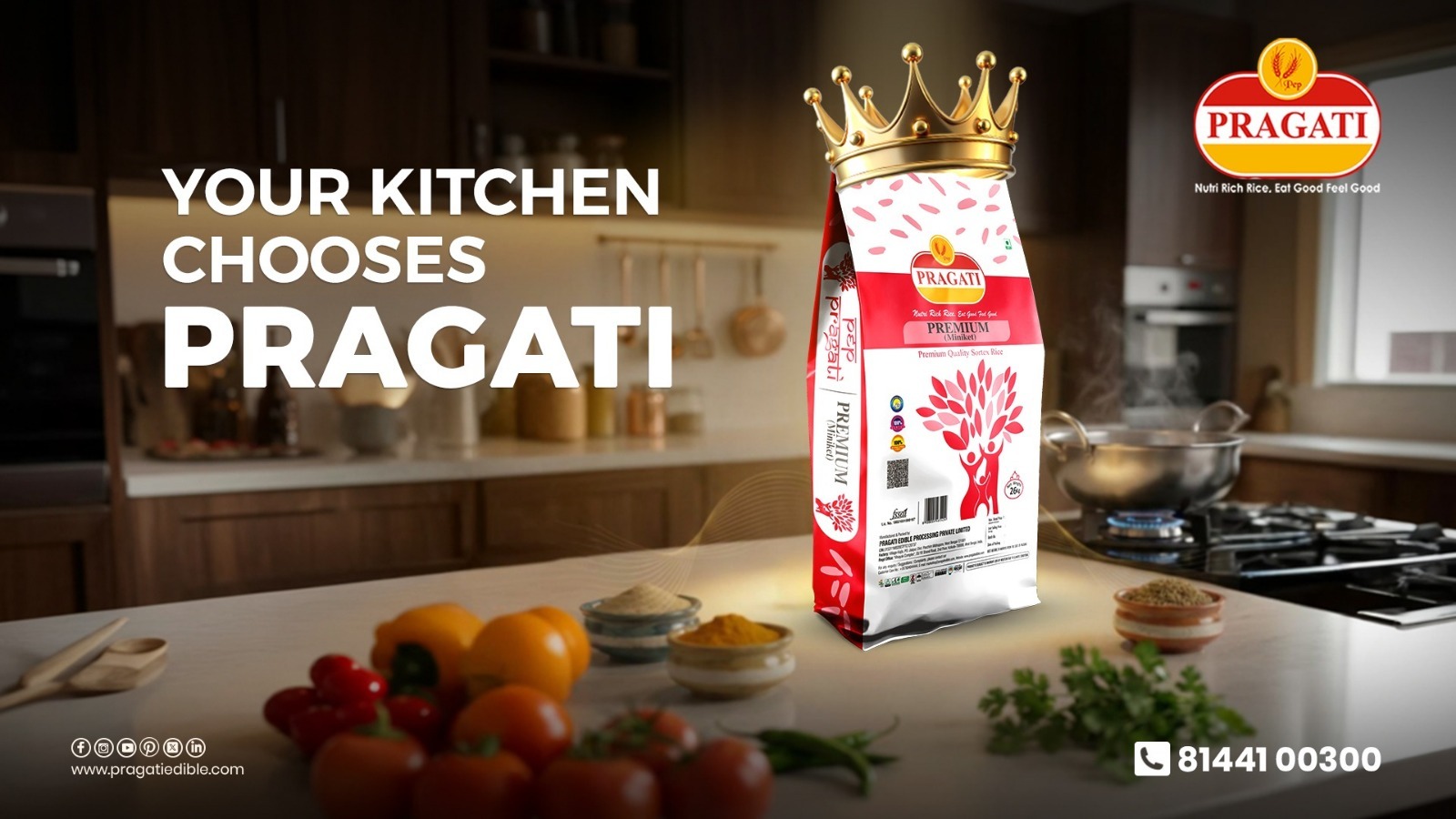
Your Kitchen Chooses Pragati

In most Indian homes, rice is not an occasional ingredient. It is everyday food. It appears at lunch without ceremony, anchors dinner quietly, and completes festive meals without demanding attention. Because we consume rice so regularly, choosing it often feels routine.

We look at the colour, we check the grain length, we compare the price, and then we decide.

But if rice is something we eat almost daily, shouldn’t the decision go deeper?


What We Usually Notice – And What We Don’t

Most consumers choose rice based on visible factors:

  • Bright, uniform colour
  • Grain length and shape
  • Price per kilogram
  • Familiar packaging

These are practical starting points. But rice quality is shaped long before it reaches the store shelf.

It involves sourcing, storage, lab tests, processing, and quality checks that influence how rice cooks and feels on the plate. The difference between rice that simply looks good often lies in these unseen details. Your kitchen may not speak, but it always responds.


The Real Mark of Good Rice

When rice is cooked, its true character appears.

  • Does it cook evenly?
  • Do the grains remain intact?
  • Does it suit your regional dish without adjustment?

In India, with its diverse rice varieties of India, each household develops a preference shaped by tradition. A family in Bengal may prefer soft, comforting grains. A household in North India may look for longer grains that stay separate for celebratory meals. Across regions, rice must align with the cooking style.

Good rice doesn’t need correction. It behaves predictably. It fits the recipe. That reliability is not accidental.


What Goes Into Choosing the Right Rice

Before rice reaches your kitchen, several best practices shape its journey:

  1. Careful Paddy Sourcing: Quality rice begins with selecting good paddy. Soil conditions, seasonal cycles, and farming practices influence the final grain. Responsible sourcing sets the foundation.
  2. Hygienic Processing: Cleaning, milling, and grading must be conducted under controlled, hygienic conditions. Removing impurities while preserving grain structure requires precision.
  3. Proper Storage: Rice is sensitive to moisture and environmental conditions. Well-maintained storage facilities help preserve grain quality before packaging.
  4. Standard Quality Checks: Physical inspections and lab assessments ensure rice aligns with regulatory standards and defined quality benchmarks.
  5. Protective Packaging: Sealed packaging safeguards rice during transportation and shelf storage, maintaining consistency until it reaches the consumer. These processes may not be visible, but they influence every meal.


Where Pragati Rice Fits In

Rooted in West Bengal, Pragati Rice reflects an understanding of how deeply rice is woven into Indian life – especially in Eastern India, where rice is often the centre of the plate.

Rather than focusing only on appearance, the emphasis lies in maintaining structured processes:

  • Thoughtful paddy selection
  • Hygienic handling and milling
  • Controlled storage conditions
  • Quality inspections aligned with standards
  • Responsible packaging

This approach supports the idea of delivering quality rice at a fair price, balancing consistency with accessibility.

In a market filled with choices, Pragati Rice aims to remain dependable – suited for everyday cooking as well as traditional Indian regional rice dishes.


Why Your Kitchen Decides

Marketing can influence the first purchase. But only your kitchen decides the second. If rice cooks the way you expect, suits your daily meals, and feels consistent across batches, it earns trust. If it requires adjustment every time, it slowly leaves the pantry.

In Indian households, loyalty is quiet but strong. We stay with ingredients that work.

That’s why the decision is not just about colour, length, or price. It’s about behaviour in boiling water. It’s about how the rice settles on the plate. It’s about whether it complements the meal without effort.


Beyond the Shelf

India’s culinary landscape is shaped by diverse rice traditions – from Eastern India’s soft daily rice to structured grains used in celebratory dishes elsewhere.

Choosing rice thoughtfully means respecting that diversity. It means recognising that quality begins long before cooking starts.

  • Your kitchen doesn’t read labels.
  • It doesn’t compare marketing lines.
  • It simply responds to performance.

And when rice feels right, cooks right, and belongs on your plate, your kitchen has already made its choice.

The Journey You Never See but Always Trust

The Journey You Never See but Always Trust

The Journey You Never See but Always Trust

Rice arrives at your table quietly. It steams in the kitchen, settles onto plates, and becomes part of meals shared without a second thought. We eat rice almost every day – yet rarely pause to consider the journey behind it.

From seed to serving bowl, rice travels through a complex and carefully managed process. And while that journey may be invisible to consumers, it is one built on precision, responsibility, and trust.

This is the story of the work you never see – but always rely on.

It Begins in the Fields

Every grain of rice starts as paddy in carefully selected fields. The choice of paddy matters. Soil conditions, seasonal cycles, and farming practices all influence the character of the final grain.

In Eastern India, especially West Bengal, rice cultivation carries generations of knowledge. Farmers understand how climate and soil affect texture and yield. Selecting good quality paddy at this early stage is not optional – it sets the tone for everything that follows.

For brands committed to consistency, sourcing is the first checkpoint. Because if the foundation isn’t right, no later process can fully compensate.

Cleaning, Milling, and Careful Handling

Once harvested, paddy undergoes cleaning and milling to separate the grain. This stage demands hygiene, precision, and controlled conditions.

Dust, husk particles, and impurities must be removed carefully. Modern milling systems use calibrated equipment to ensure grains are handled without unnecessary breakage. Controlled environments help maintain cleanliness and product integrity.

This part of the journey may seem technical, but it directly influences how rice cooks later in your kitchen – how evenly it boils, how intact the grains remain, and how consistent the texture feels.

Storage: Protecting What Has Been Grown

Rice is sensitive to storage conditions. Temperature, humidity, and ventilation play a significant role in maintaining grain quality.

Proper storage facilities are designed to:

  • Prevent moisture imbalance
  • Protect against contamination
  • Maintain consistency in grain condition

In the rice industry, careful storage is not just good practice – it is essential. Without it, even well-sourced paddy can lose its quality over time.

Quality Checks and Lab Testing

Before rice reaches consumers, it typically passes through multiple quality checks. Industry-standard processes may include physical inspections and laboratory testing to assess grain parameters such as moisture levels and overall quality benchmarks.

These checks are conducted to ensure the rice aligns with regulatory and food safety standards. Following established guidelines, including compliance with applicable food regulations, helps maintain consumer trust.

This stage often goes unnoticed – but it is one of the most critical parts of the journey.

Technology Meets Tradition

India’s rice traditions are centuries old, but today’s rice processing benefits from modern technology. Automated sorting systems, grading machines, and advanced packaging lines help improve consistency and efficiency.

Technology supports – not replaces – experience. It allows rice processors to maintain uniformity across batches, especially important for households that expect the same cooking behaviour every time.

In a country known for its diverse rice varieties, consistency matters. Different regions prefer different grains, but within those preferences, reliability builds loyalty.

Packaging for Protection

The final step before rice reaches homes is packaging. Proper packaging protects rice from moisture and external contaminants during transport and storage.

It ensures that the rice you cook at home retains the same condition it had at the facility. Sealed, hygienic packaging plays a silent yet essential role in preserving quality until the first wash and boil.

Where Pragati Rice Fits In

Rooted in West Bengal, Pragati Rice reflects this complete journey – from careful paddy sourcing to structured processing and quality checks.

Rather than focusing only on the final product, the emphasis remains on each stage that shapes it:

  • Selection of quality paddy
  • Hygienic handling and milling
  • Proper storage practices
  • Standard quality inspections
  • Responsible packaging

This structured approach allows Pragati Rice to serve households that value consistency in everyday cooking – whether preparing simple meals or traditional Indian regional rice dishes.

There is no dramatic claim here. Just pay attention to the process.

Why the Journey Matters

Rice may look simple in a bowl, but simplicity is often the result of careful complexity.

Consumers trust rice brands not because they see the machinery or the testing labs – but because the rice cooks the way it should. It feels familiar. It behaves predictably. It suits the recipes passed down through generations.

Behind that trust lies a chain of responsibility that stretches from field to factory to kitchen.

The Invisible Work Behind Everyday Meals

India’s relationship with rice is emotional and cultural. It is served at celebrations, rituals, and daily dinners alike. Yet, for rice to play that dependable role, unseen systems must work quietly in the background.

The journey you never see is the reason you never have to worry.

And in that quiet consistency, trust is built – one meal at a time.

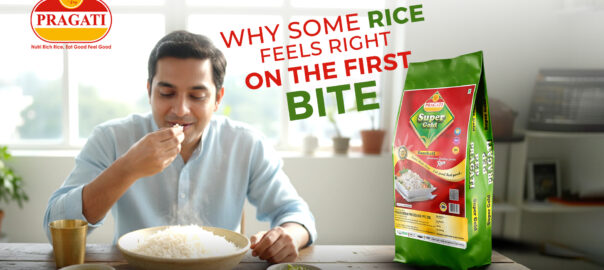
Why Some Rice Feels Right on the First Bite

There’s a moment every Indian cook recognises. The rice is served. You take the first bite. And before logic steps in, something simply feels right.

The texture.

The way the grains separate – or gently cling.

How it carries flavour without demanding attention.

This instinctive response isn’t accidental. In Indian kitchens, rice is judged not by labels or descriptions, but by how it behaves the moment it touches the tongue. Some rice fits instantly. Some don’t. And generations of everyday cooking have taught us to tell the difference.


The First Bite Test in Indian Kitchens

Across India, rice is rarely analysed out loud – but it is constantly evaluated. The first bite decides whether it belongs.

Is it too dry or too sticky?
Does it absorb the curry or fight it?
Does it sit comfortably on the plate – or feel out of place?

This quiet, instinctive assessment has guided rice choices long before modern packaging existed. Rice that feels right earns repeat space in the kitchen. Rice that doesn’t slowly disappear.


Texture: The Unsung Hero of Rice

Taste matters – but texture decides loyalty.

Different rice varieties of India are chosen not just for flavour, but for how they respond to cooking. Some grains are meant to stay distinct, others to soften and blend. Some shine in celebratory dishes, others in everyday comfort meals.

Texture is why:

  • One rice works beautifully with dal
  • Another feels perfect with fish or vegetables
  • A third suits festive cooking, but not daily meals

Indian cooking is deeply intuitive this way. Recipes adapt to rice, and rice adapts to the region.


Why Regional Rice Always Feels Familiar

Rice feels “right” when it matches the food culture around it.

Northern India: Longer grains are often preferred for dishes that accompany rich gravies. The grains remain separate, structured, and visually refined.

Western India: Rice is valued for consistency and comfort – something that cooks evenly and pairs effortlessly with everyday meals.

Southern India: Rice transforms constantly. Softness, absorption, and adaptability matter more than appearance.

Eastern India: Where Rice Leads the Meal

In Bengal and neighbouring regions, rice is not a side – it is the centre. Soft, well-cooked grains are expected to feel gentle on the palate, allowing subtle accompaniments to shine.

This is where the idea of “first-bite comfort” truly comes alive. Rice is eaten plain, mixed by hand, and judged immediately. If it doesn’t feel right, nothing else can fix it.

It’s also why rice brands rooted in Eastern India often prioritise feel and consistency over flash.


Cooking Behaviour Matters More Than Description

Many people assume rice quality is only about grain length or appearance. In practice, how rice cooks matters far more.

Rice that feels right usually:

  • Cooks evenly without breaking
  • Responds predictably to water and heat
  • Maintains its character across meals

This reliability builds trust. Over time, families stick to rice that behaves the way they expect – especially for daily cooking.

A premium rice brand understands this unspoken contract. The goal isn’t novelty. It’s familiarity.


Tradition, Not Trend, Shapes Preference

Indian households don’t chase rice trends. Preferences are inherited, observed, and refined over the years.

Grandmothers didn’t explain why rice worked – they just knew. Parents learned by watching. Today’s cooks continue the cycle, often choosing rice that reminds them of meals they grew up with.

This emotional memory is why some rice instantly feels right. It carries familiarity, not surprise.


Where Pragati Rice Fits In

Rooted in West Bengal, Pragati Rice reflects this cultural understanding of rice as an everyday essential – not a statement product.

Its place in Indian kitchens comes from:

  • Respect for regional cooking habits
  • Consistency that suits daily meals
  • Rice that doesn’t demand adjustment – it adapts

There’s no need for hard claims when rice quietly earns trust one meal at a time.


The Quiet Confidence of the Right Rice

Some foods impress later. Rice impresses immediately – or not at all.

When rice feels right on the first bite, it settles into the meal without distraction. It lets curries speak, vegetables shine, and memories surface. It doesn’t compete. It belongs.

And that, more than anything else, is why certain rice stays in Indian kitchens for generations.

Because the best rice doesn’t announce itself.

Why Rice is India’s Everyday Energy Grain

Why Rice is India’s Everyday Energy Grain

Why Rice is India’s Everyday Energy Grain                 

In Indian homes, rice is rarely announced – but it is always present. It steams quietly in kitchens at dawn, waits patiently in lunch boxes, and anchors dinners after long days. Across regions, languages, and traditions, rice has earned its place as India’s everyday grain – not through novelty, but through familiarity.

Rice doesn’t demand attention. It supports, balances, and completes a meal. And that is precisely why it has remained central to Indian food culture for generations.


Rice and the Rhythm of Indian Life

From weekday lunches to festival feasts, rice adapts to the rhythm of Indian households. It fits seamlessly into daily routines – quick to cook, versatile to serve, and easy to pair with regional flavours.


Whether it’s a simple plate of rice and dal, a celebratory pulao, or a comforting bowl mixed by hand, rice is often the first grain we learn to eat and the last one we give up. Its role is less about indulgence and more about continuity – food that shows up every day without fail.


A Grain That Changes With the Region

India’s relationship with rice is shaped deeply by geography. Climate, soil, and tradition influence not just how rice is grown, but how it is cooked and enjoyed.


Northern India: Structured and Celebratory

Long-grain rice is commonly used for dishes that accompany rich gravies and festive meals. The focus is on grains that remain separate and visually elegant.


Western India: Comfort and Simplicity

Rice often appears in everyday combinations – paired with lentils, vegetables, or mild spices. Texture matters more than aroma, making rice a steady, dependable part of daily meals.


Southern India: Rice in Many Forms

Here, rice transforms constantly – steamed, fermented, cooled, or ground into batter. Its adaptability allows it to move effortlessly from breakfast to dinner.


Eastern India: Rice at the Centre

In Bengal and neighbouring regions, rice is not just a base-it is the heart of the meal. Soft textures and subtle flavours are preferred, allowing rice to be eaten plain or gently paired with fish, vegetables, or lentils.


This deep-rooted relationship with rice is what gives Eastern Indian cuisine its quiet confidence – and why rice brands rooted here often understand consistency better than spectacle.


Why Rice Works for Everyday Indian Cooking

Rice remains central to Indian kitchens because it fits naturally into everyday needs:

  • It complements a wide range of regional dishes
  • It works across cooking styles and occasions
  • It brings balance to both simple and elaborate meals


Rather than overpowering flavours, rice creates space for them. This quality makes it a natural choice for daily cooking – reliable, adaptable, and familiar.


Choosing Rice with Intention


Not all rice behaves the same. Different dishes require different textures, grain lengths, and cooking methods. Over time, Indian households develop an instinct for choosing rice that suits their cooking style.


A premium rice brand focuses on:

  • Consistent grain quality
  • Careful sourcing and handling
  • Respect for regional cooking preferences


This is where Pragati Rice, rooted in West Bengal, fits naturally into Indian kitchens. Its approach reflects an understanding that good rice doesn’t need loud claims – it needs to cook well, taste familiar, and feel dependable every single day.


Rice Beyond the Plate

Rice is tied to rituals, festivals, and family moments. It is offered during prayers, shared during celebrations, and served first to guests. These customs remind us that rice is not just food – it is part of how Indian homes function and connect.


Across regions, rice carries emotion as much as nourishment. It represents routine, care, and continuity.


The Everyday Grain That Endures

Trends in food come and go, but rice remains. Not because it changes to impress, but because it stays true to its role. It adapts quietly, supports generously, and belongs deeply.


For Indian households that value tradition and consistency, rice is not just an ingredient – it is a daily companion. And brands like Pragati Rice, grounded in regional understanding and everyday use, become part of that long, familiar story.


Because rice in India doesn’t need reinvention.

It already knows how to stay.