
In most Indian homes, rice is not an occasional ingredient. It is everyday food. It appears at lunch without ceremony, anchors dinner quietly, and completes festive meals without demanding attention. Because we consume rice so regularly, choosing it often feels routine.
We look at the colour, we check the grain length, we compare the price, and then we decide.
But if rice is something we eat almost daily, shouldn’t the decision go deeper?
What We Usually Notice – And What We Don’t
Most consumers choose rice based on visible factors:
- Bright, uniform colour
- Grain length and shape
- Price per kilogram
- Familiar packaging
These are practical starting points. But rice quality is shaped long before it reaches the store shelf.
It involves sourcing, storage, lab tests, processing, and quality checks that influence how rice cooks and feels on the plate. The difference between rice that simply looks good often lies in these unseen details. Your kitchen may not speak, but it always responds.
The Real Mark of Good Rice
When rice is cooked, its true character appears.
- Does it cook evenly?
- Do the grains remain intact?
- Does it suit your regional dish without adjustment?
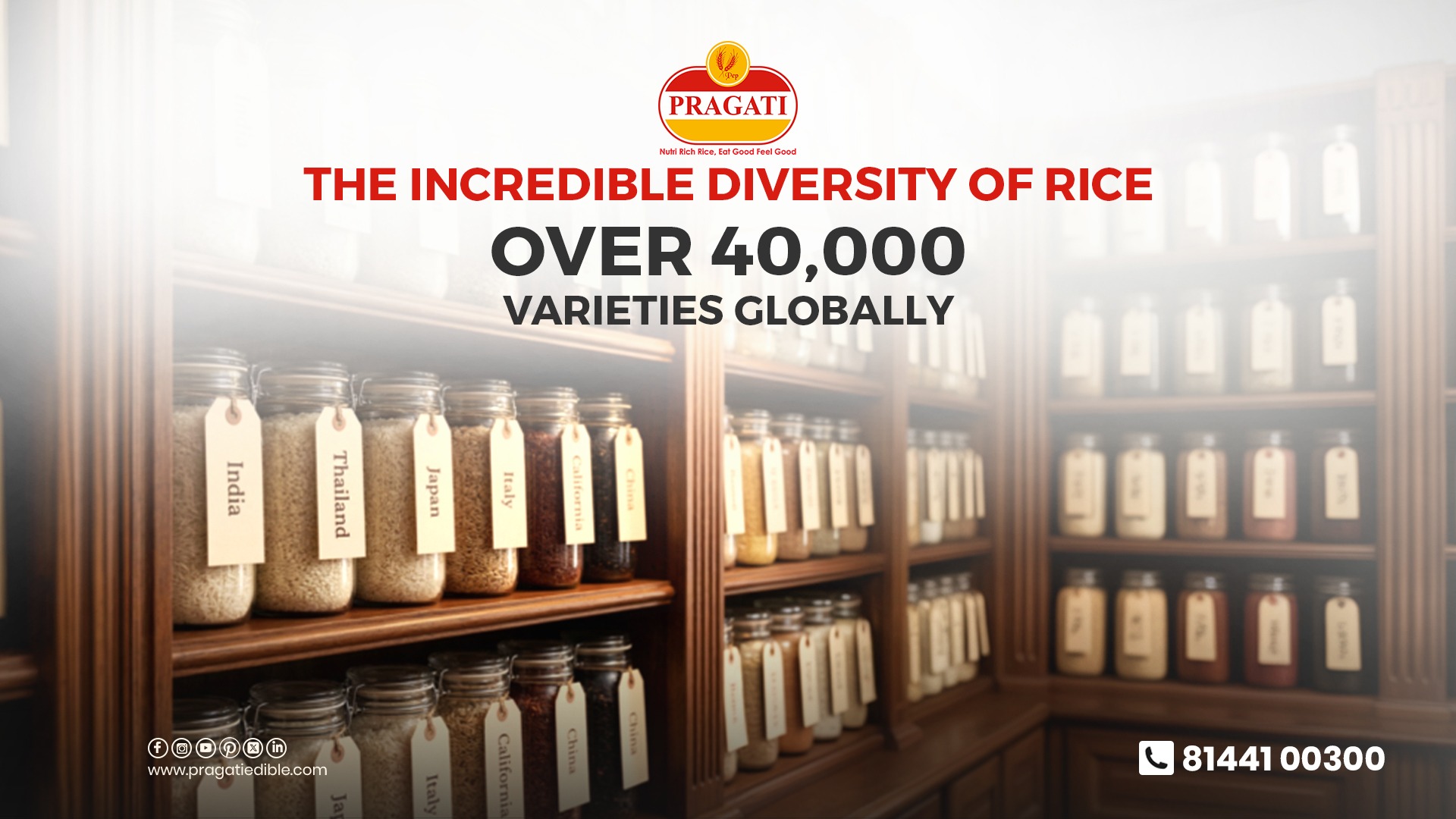
In India, with its diverse rice varieties of India, each household develops a preference shaped by tradition. A family in Bengal may prefer soft, comforting grains. A household in North India may look for longer grains that stay separate for celebratory meals. Across regions, rice must align with the cooking style.
Good rice doesn’t need correction. It behaves predictably. It fits the recipe. That reliability is not accidental.
What Goes Into Choosing the Right Rice
Before rice reaches your kitchen, several best practices shape its journey:
- Careful Paddy Sourcing: Quality rice begins with selecting good paddy. Soil conditions, seasonal cycles, and farming practices influence the final grain. Responsible sourcing sets the foundation.
- Hygienic Processing: Cleaning, milling, and grading must be conducted under controlled, hygienic conditions. Removing impurities while preserving grain structure requires precision.
- Proper Storage: Rice is sensitive to moisture and environmental conditions. Well-maintained storage facilities help preserve grain quality before packaging.
- Standard Quality Checks: Physical inspections and lab assessments ensure rice aligns with regulatory standards and defined quality benchmarks.
- Protective Packaging: Sealed packaging safeguards rice during transportation and shelf storage, maintaining consistency until it reaches the consumer. These processes may not be visible, but they influence every meal.
Where Pragati Rice Fits In
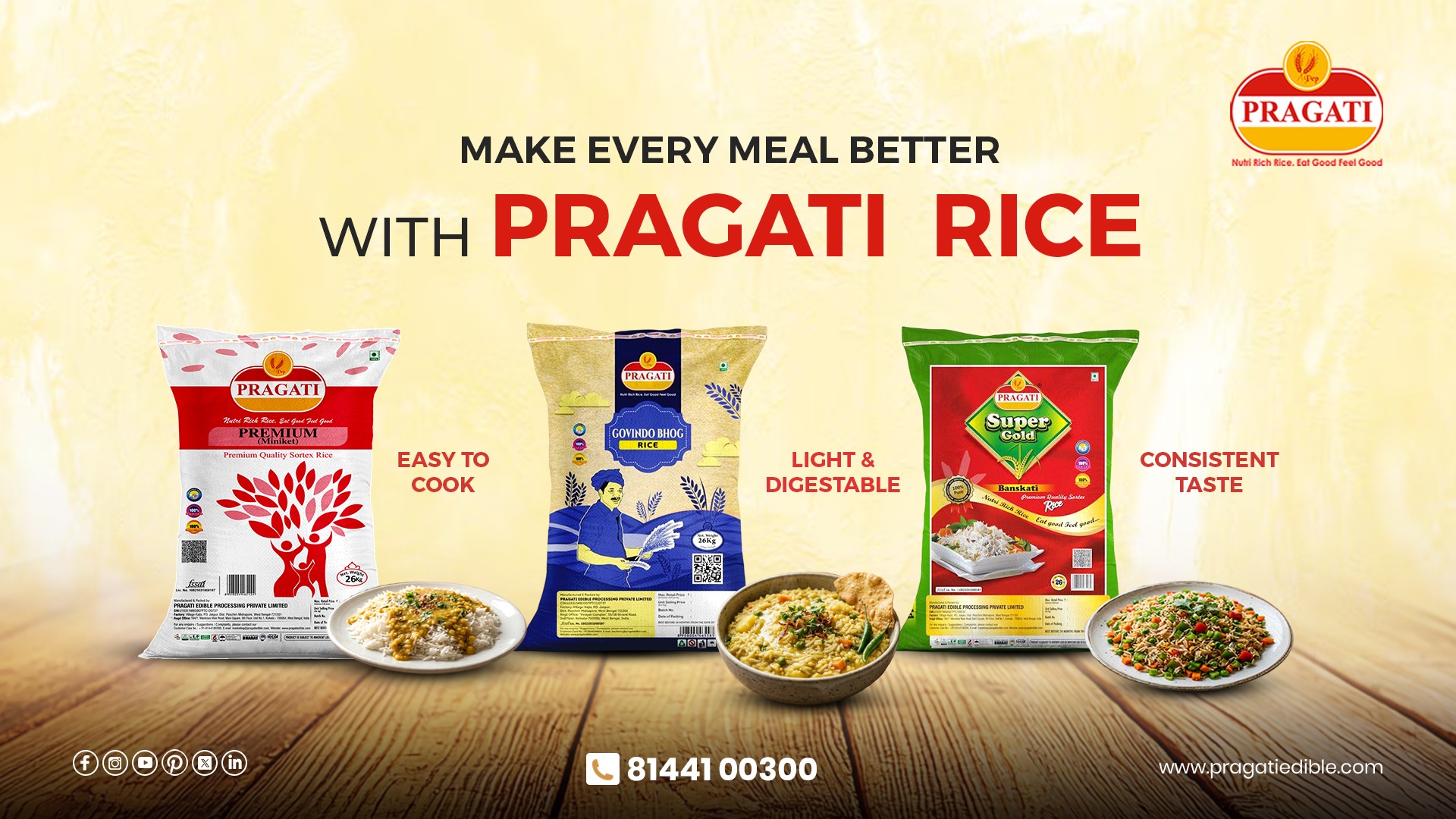
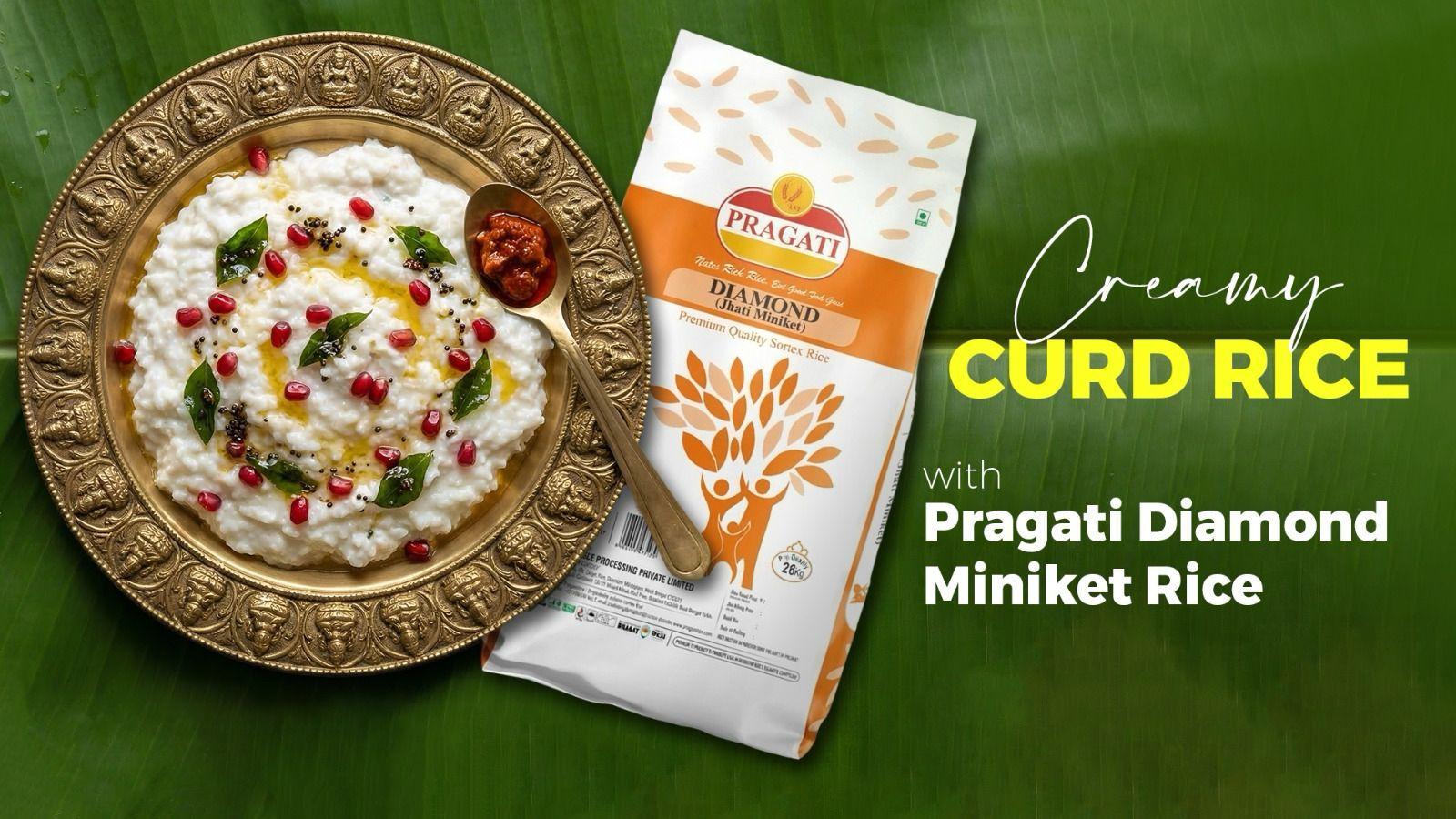
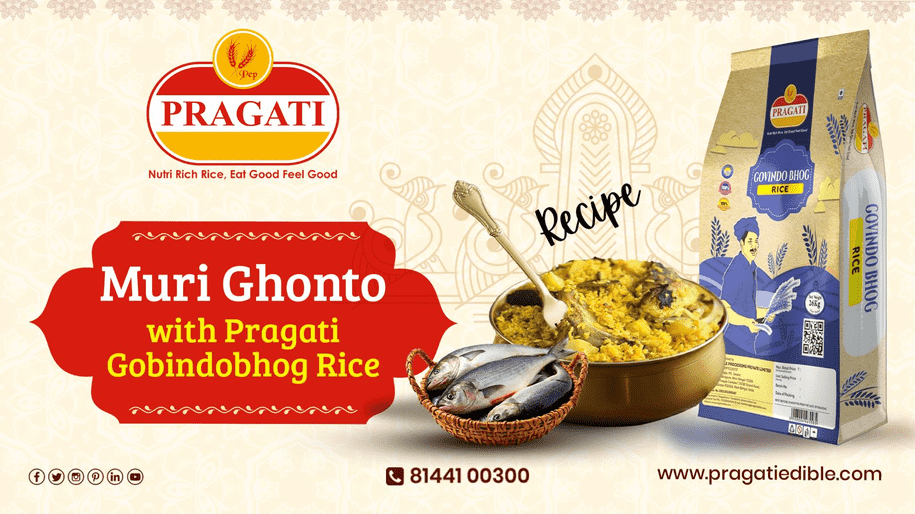
Rooted in West Bengal, Pragati Rice reflects an understanding of how deeply rice is woven into Indian life – especially in Eastern India, where rice is often the centre of the plate.
Rather than focusing only on appearance, the emphasis lies in maintaining structured processes:
- Thoughtful paddy selection
- Hygienic handling and milling
- Controlled storage conditions
- Quality inspections aligned with standards
- Responsible packaging
This approach supports the idea of delivering quality rice at a fair price, balancing consistency with accessibility.
In a market filled with choices, Pragati Rice aims to remain dependable – suited for everyday cooking as well as traditional Indian regional rice dishes.
Why Your Kitchen Decides
Marketing can influence the first purchase. But only your kitchen decides the second. If rice cooks the way you expect, suits your daily meals, and feels consistent across batches, it earns trust. If it requires adjustment every time, it slowly leaves the pantry.
In Indian households, loyalty is quiet but strong. We stay with ingredients that work.
That’s why the decision is not just about colour, length, or price. It’s about behaviour in boiling water. It’s about how the rice settles on the plate. It’s about whether it complements the meal without effort.
Beyond the Shelf
India’s culinary landscape is shaped by diverse rice traditions – from Eastern India’s soft daily rice to structured grains used in celebratory dishes elsewhere.
Choosing rice thoughtfully means respecting that diversity. It means recognising that quality begins long before cooking starts.
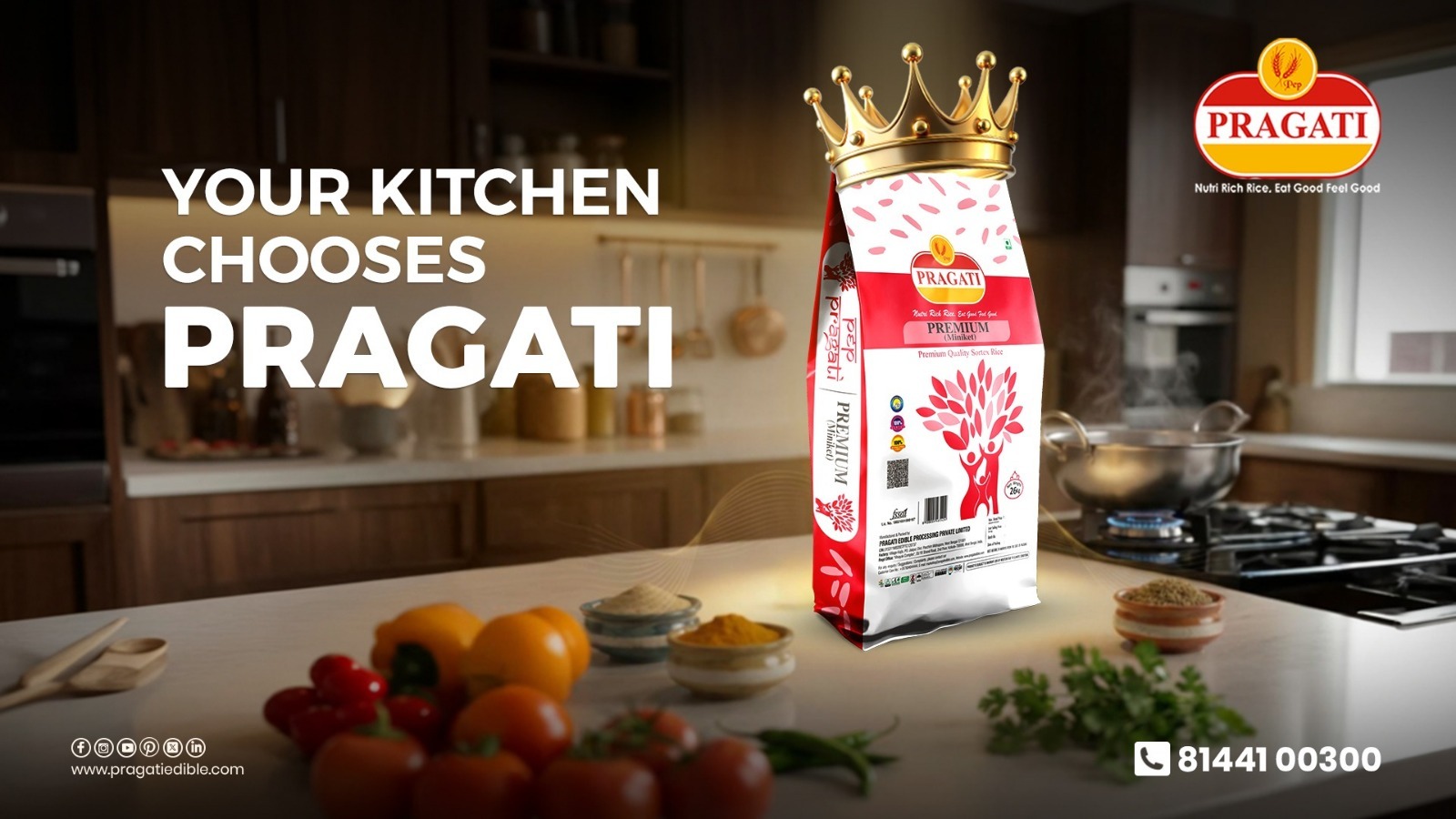
- Your kitchen doesn’t read labels.
- It doesn’t compare marketing lines.
- It simply responds to performance.
And when rice feels right, cooks right, and belongs on your plate, your kitchen has already made its choice.