Tag Archives: Premium rice brand

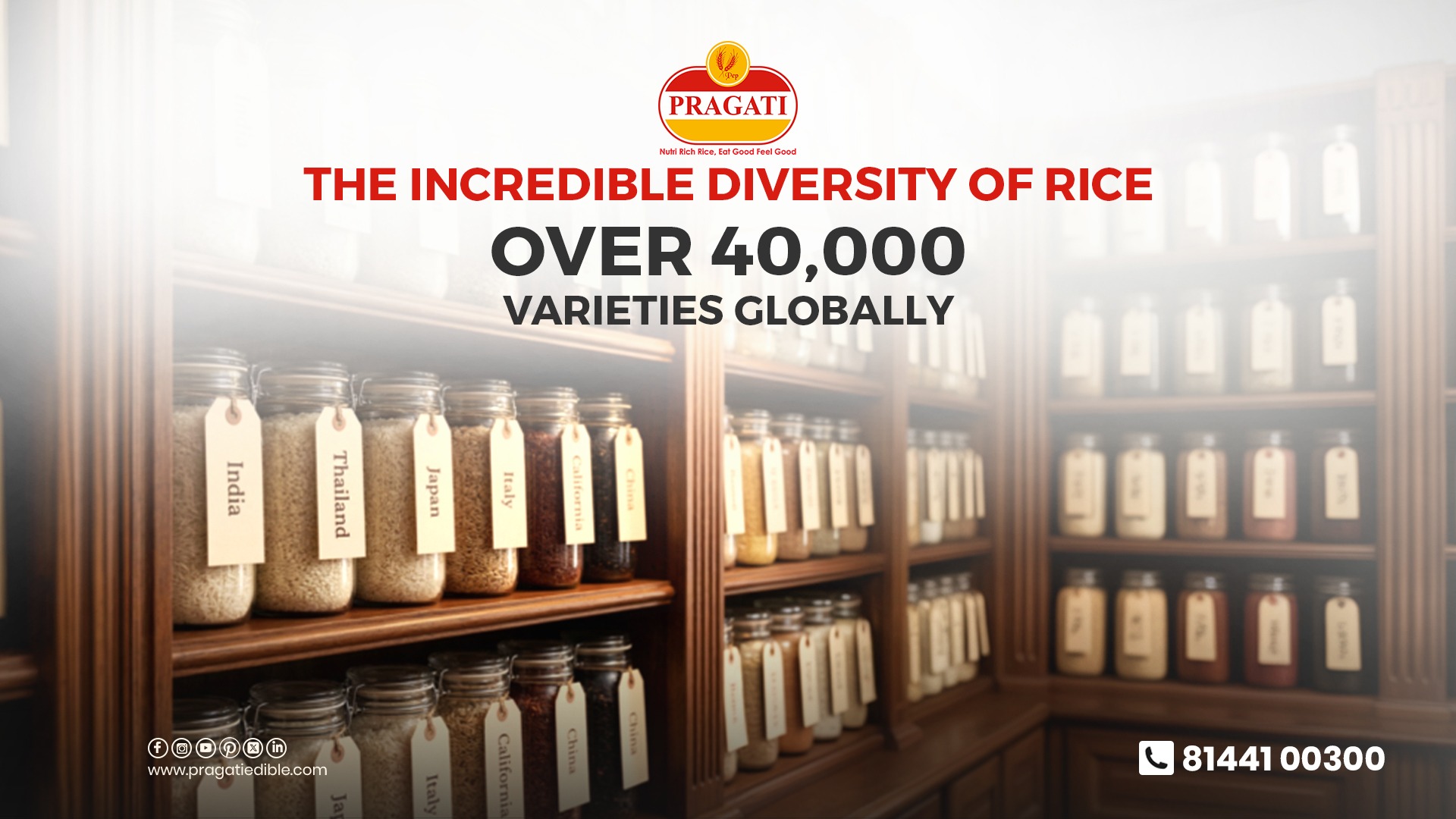
The Incredible Diversity of Rice: Over 40,000 Varieties Globally


Rice is more than just a staple on the plate – it is a story of culture, soil, and tradition. Across the world, billions of people begin their meals with rice. From the comforting bowl of steamed rice served with dal in Indian homes to fragrant rice dishes prepared for celebrations, this humble grain carries centuries of agricultural wisdom and culinary heritage.

What many people may not realise is that there are over 40,000 varieties of rice grown around the world. Each variety reflects a unique climate, farming tradition, and cooking style. Some grains are long and aromatic, some are soft and sticky, and others carry natural colours like red or black. This remarkable diversity makes rice one of the most fascinating crops in global agriculture.

For everyday consumers, choosing rice often starts with simple factors – colour, grain length, aroma, and price. However, there are several other aspects that define the quality and experience of rice on the plate. Understanding these factors helps households appreciate rice not just as a staple, but as an ingredient shaped by careful cultivation and processing.


The Global Importance of Rice

Rice feeds more than half of the world’s population and is deeply rooted in everyday life across Asia, Africa, and parts of Latin America. Countries like India, China, Indonesia, Bangladesh, and Vietnam rely heavily on rice for daily meals and traditional cuisine.

Over thousands of years, farmers have cultivated different rice varieties suited to their local environments. Some varieties thrive in flooded fields, while others grow in upland conditions. Some produce aromatic grains perfect for festive dishes, while others are ideal for everyday cooking.

This natural evolution and selective cultivation have resulted in the vast diversity of rice varieties we see today.


Understanding the Major Types of Rice

Although there are tens of thousands of rice varieties globally, most can be grouped into a few broad categories based on grain shape and cooking characteristics.


Long-Grain Rice

Long-grain rice is slender and elongated. When cooked, the grains remain light and separate. This makes it ideal for dishes where fluffy rice is preferred.

Popular examples include basmati and jasmine rice, both known for their fragrance and delicate texture. These varieties are commonly used in dishes like biryani, pulao, and fried rice.


Medium-Grain Rice

Medium-grain rice is slightly shorter and plumper than long-grain rice. When cooked, it becomes soft with a gentle stickiness. This type of rice works well in dishes where grains need to hold together slightly while maintaining their shape.


Short-Grain Rice

Short-grain rice has a rounder shape and becomes softer and stickier when cooked due to its natural starch content. It is widely used in many Asian cuisines where rice needs to hold together, such as sushi or rice bowls.

Each of these categories demonstrates how rice varieties are adapted to specific cooking traditions.


Aromatic Rice: Fragrance in Every Grain

Some rice varieties are especially valued for their natural aroma. Aromatic rice contains compounds that release a pleasant fragrance when cooked.


A few well-known aromatic varieties include:

Basmati Rice: Long grains and a distinctive aroma widely appreciated in South Asian cuisine.

Jasmine Rice: Slightly soft with a floral fragrance, popular in Southeast Asia.

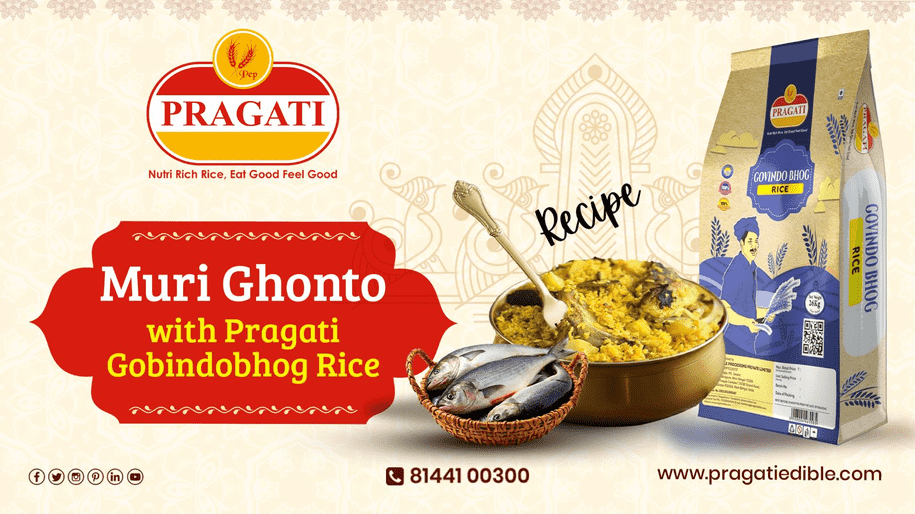
Gobindobhog Rice: A short, aromatic rice widely used in Bengali cooking, especially during festive dishes.


These rice varieties often hold a special place in regional culinary traditions and are commonly used during celebrations and special occasions.


Rice Beyond White: Natural Colours and Unique Varieties

While white rice is the most commonly consumed type, rice naturally appears in several colours.

Brown Rice: Brown rice retains the outer bran layer, giving it a slightly nutty flavour and firmer texture compared to polished white rice.

Red Rice: Red rice gets its colour from natural pigments present in the bran layer. It has a distinctive earthy flavour and is used in several traditional cuisines.

Black Rice: Black rice has a deep purple-black colour and has historically been cultivated in parts of Asia. It is sometimes referred to as “forbidden rice” in historical texts due to its rarity.


These coloured varieties showcase the rich agricultural diversity of rice cultivation across the world.


Regional Rice Traditions in India

India itself is home to thousands of rice varieties. Each region prefers a particular grain type based on its local cuisine.

In Eastern India, rice is central to daily meals. States like West Bengal, Odisha, Assam, Bihar, and Jharkhand have strong rice-based culinary traditions. From simple steamed rice served with vegetables and fish curry to festive rice dishes prepared during celebrations, rice remains an essential part of the food culture.

Different varieties are selected depending on the dish – some for softness, some for aroma, and others for their ability to absorb flavours.


What Defines Good Quality Rice?

While consumers often judge rice by appearance or price, quality rice involves several important factors.

Careful Sourcing: High-quality rice begins with selecting grains from reliable farming regions where soil and climate support consistent cultivation.

Proper Processing: Cleaning, grading, and careful milling help maintain the natural structure and appearance of the grain.

Consistent Grain Selection: Uniform grain size ensures even cooking and a better texture in prepared dishes.

Hygienic Packaging and Storage: Maintaining cleanliness during processing and packaging helps preserve the quality of rice until it reaches the consumer’s kitchen.

These practices ensure that the rice served on the plate reflects both the farmer’s effort and the processor’s attention to detail.


Bringing Quality Rice to the Plate

For households that cook rice every day, consistency and reliability matter. A trusted rice brand works quietly behind the scenes – sourcing grains carefully, processing them responsibly, and ensuring that the rice reaching consumers meets expected standards.

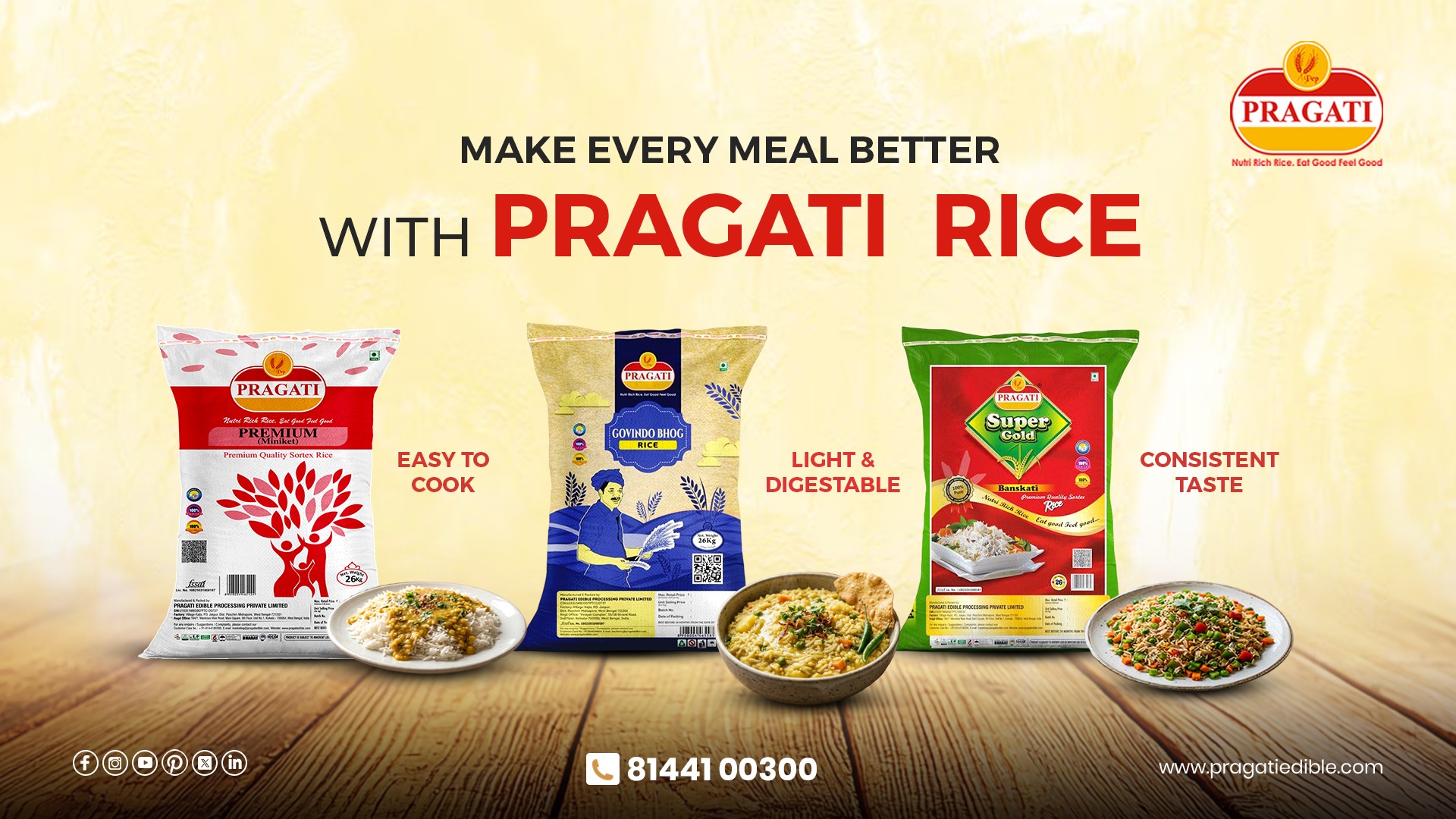
Brands like Pragati Rice focus on maintaining these essential practices so that families can enjoy dependable rice in their everyday meals. By prioritising proper grain selection and quality control, such brands aim to offer quality rice at a reasonable price, ensuring accessibility for a wide range of households.


Why Rice Diversity Matters for the Future

The existence of over 40,000 rice varieties is not just fascinating – it is vital for the future of agriculture.

Different rice varieties are naturally adapted to different climates. Some perform better in drought conditions, while others grow well in flood-prone regions. Preserving this diversity helps farmers and researchers respond to changing agricultural conditions.

Rice diversity also protects culinary traditions. Many regional dishes depend on specific rice varieties that give them their authentic flavour and texture.

By valuing and preserving these varieties, we ensure that both agriculture and food culture continue to thrive.


Conclusion

Rice may appear simple, but its story is incredibly rich. With more than 40,000 varieties cultivated worldwide, rice reflects the diversity of landscapes, cultures, and culinary traditions across the globe.

From fragrant long-grain varieties to colourful traditional grains, each type of rice carries a unique identity shaped by generations of farmers and cooks.

For everyday households, choosing good rice is about more than just grain length or colour – it is about trusting the journey that brings the grain from the field to the kitchen.

And when that journey is handled with care, every meal begins with something simple yet extraordinary – a grain of rice that connects tradition, quality, and everyday nourishment.

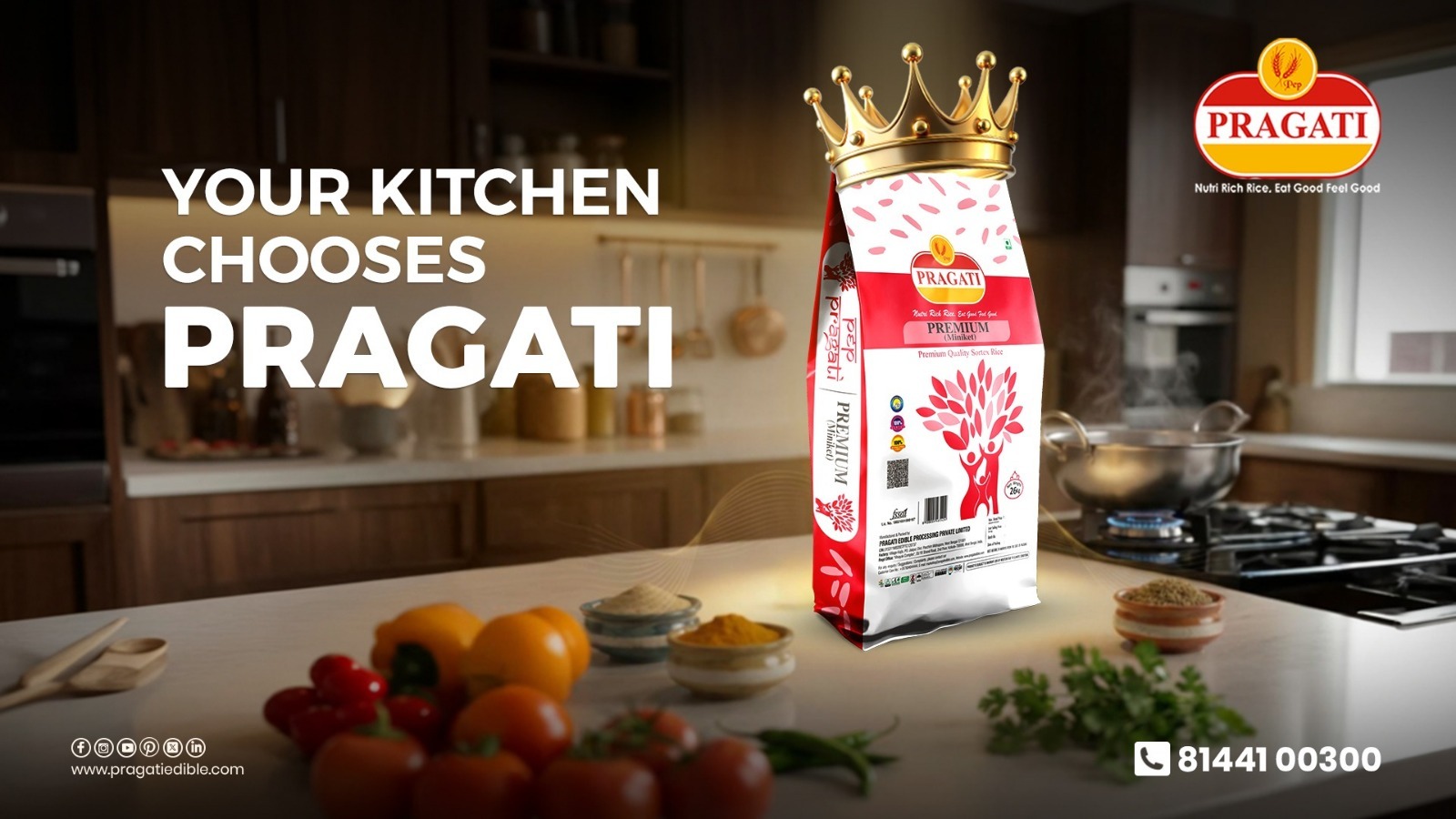
Your Kitchen Chooses Pragati

In most Indian homes, rice is not an occasional ingredient. It is everyday food. It appears at lunch without ceremony, anchors dinner quietly, and completes festive meals without demanding attention. Because we consume rice so regularly, choosing it often feels routine.

We look at the colour, we check the grain length, we compare the price, and then we decide.

But if rice is something we eat almost daily, shouldn’t the decision go deeper?


What We Usually Notice – And What We Don’t

Most consumers choose rice based on visible factors:

  • Bright, uniform colour
  • Grain length and shape
  • Price per kilogram
  • Familiar packaging

These are practical starting points. But rice quality is shaped long before it reaches the store shelf.

It involves sourcing, storage, lab tests, processing, and quality checks that influence how rice cooks and feels on the plate. The difference between rice that simply looks good often lies in these unseen details. Your kitchen may not speak, but it always responds.


The Real Mark of Good Rice

When rice is cooked, its true character appears.

  • Does it cook evenly?
  • Do the grains remain intact?
  • Does it suit your regional dish without adjustment?

In India, with its diverse rice varieties of India, each household develops a preference shaped by tradition. A family in Bengal may prefer soft, comforting grains. A household in North India may look for longer grains that stay separate for celebratory meals. Across regions, rice must align with the cooking style.

Good rice doesn’t need correction. It behaves predictably. It fits the recipe. That reliability is not accidental.


What Goes Into Choosing the Right Rice

Before rice reaches your kitchen, several best practices shape its journey:

  1. Careful Paddy Sourcing: Quality rice begins with selecting good paddy. Soil conditions, seasonal cycles, and farming practices influence the final grain. Responsible sourcing sets the foundation.
  2. Hygienic Processing: Cleaning, milling, and grading must be conducted under controlled, hygienic conditions. Removing impurities while preserving grain structure requires precision.
  3. Proper Storage: Rice is sensitive to moisture and environmental conditions. Well-maintained storage facilities help preserve grain quality before packaging.
  4. Standard Quality Checks: Physical inspections and lab assessments ensure rice aligns with regulatory standards and defined quality benchmarks.
  5. Protective Packaging: Sealed packaging safeguards rice during transportation and shelf storage, maintaining consistency until it reaches the consumer. These processes may not be visible, but they influence every meal.


Where Pragati Rice Fits In

Rooted in West Bengal, Pragati Rice reflects an understanding of how deeply rice is woven into Indian life – especially in Eastern India, where rice is often the centre of the plate.

Rather than focusing only on appearance, the emphasis lies in maintaining structured processes:

  • Thoughtful paddy selection
  • Hygienic handling and milling
  • Controlled storage conditions
  • Quality inspections aligned with standards
  • Responsible packaging

This approach supports the idea of delivering quality rice at a fair price, balancing consistency with accessibility.

In a market filled with choices, Pragati Rice aims to remain dependable – suited for everyday cooking as well as traditional Indian regional rice dishes.


Why Your Kitchen Decides

Marketing can influence the first purchase. But only your kitchen decides the second. If rice cooks the way you expect, suits your daily meals, and feels consistent across batches, it earns trust. If it requires adjustment every time, it slowly leaves the pantry.

In Indian households, loyalty is quiet but strong. We stay with ingredients that work.

That’s why the decision is not just about colour, length, or price. It’s about behaviour in boiling water. It’s about how the rice settles on the plate. It’s about whether it complements the meal without effort.


Beyond the Shelf

India’s culinary landscape is shaped by diverse rice traditions – from Eastern India’s soft daily rice to structured grains used in celebratory dishes elsewhere.

Choosing rice thoughtfully means respecting that diversity. It means recognising that quality begins long before cooking starts.

  • Your kitchen doesn’t read labels.
  • It doesn’t compare marketing lines.
  • It simply responds to performance.

And when rice feels right, cooks right, and belongs on your plate, your kitchen has already made its choice.

The Journey You Never See but Always Trust

The Journey You Never See but Always Trust

The Journey You Never See but Always Trust

Rice arrives at your table quietly. It steams in the kitchen, settles onto plates, and becomes part of meals shared without a second thought. We eat rice almost every day – yet rarely pause to consider the journey behind it.

From seed to serving bowl, rice travels through a complex and carefully managed process. And while that journey may be invisible to consumers, it is one built on precision, responsibility, and trust.

This is the story of the work you never see – but always rely on.

It Begins in the Fields

Every grain of rice starts as paddy in carefully selected fields. The choice of paddy matters. Soil conditions, seasonal cycles, and farming practices all influence the character of the final grain.

In Eastern India, especially West Bengal, rice cultivation carries generations of knowledge. Farmers understand how climate and soil affect texture and yield. Selecting good quality paddy at this early stage is not optional – it sets the tone for everything that follows.

For brands committed to consistency, sourcing is the first checkpoint. Because if the foundation isn’t right, no later process can fully compensate.

Cleaning, Milling, and Careful Handling

Once harvested, paddy undergoes cleaning and milling to separate the grain. This stage demands hygiene, precision, and controlled conditions.

Dust, husk particles, and impurities must be removed carefully. Modern milling systems use calibrated equipment to ensure grains are handled without unnecessary breakage. Controlled environments help maintain cleanliness and product integrity.

This part of the journey may seem technical, but it directly influences how rice cooks later in your kitchen – how evenly it boils, how intact the grains remain, and how consistent the texture feels.

Storage: Protecting What Has Been Grown

Rice is sensitive to storage conditions. Temperature, humidity, and ventilation play a significant role in maintaining grain quality.

Proper storage facilities are designed to:

  • Prevent moisture imbalance
  • Protect against contamination
  • Maintain consistency in grain condition

In the rice industry, careful storage is not just good practice – it is essential. Without it, even well-sourced paddy can lose its quality over time.

Quality Checks and Lab Testing

Before rice reaches consumers, it typically passes through multiple quality checks. Industry-standard processes may include physical inspections and laboratory testing to assess grain parameters such as moisture levels and overall quality benchmarks.

These checks are conducted to ensure the rice aligns with regulatory and food safety standards. Following established guidelines, including compliance with applicable food regulations, helps maintain consumer trust.

This stage often goes unnoticed – but it is one of the most critical parts of the journey.

Technology Meets Tradition

India’s rice traditions are centuries old, but today’s rice processing benefits from modern technology. Automated sorting systems, grading machines, and advanced packaging lines help improve consistency and efficiency.

Technology supports – not replaces – experience. It allows rice processors to maintain uniformity across batches, especially important for households that expect the same cooking behaviour every time.

In a country known for its diverse rice varieties, consistency matters. Different regions prefer different grains, but within those preferences, reliability builds loyalty.

Packaging for Protection

The final step before rice reaches homes is packaging. Proper packaging protects rice from moisture and external contaminants during transport and storage.

It ensures that the rice you cook at home retains the same condition it had at the facility. Sealed, hygienic packaging plays a silent yet essential role in preserving quality until the first wash and boil.

Where Pragati Rice Fits In

Rooted in West Bengal, Pragati Rice reflects this complete journey – from careful paddy sourcing to structured processing and quality checks.

Rather than focusing only on the final product, the emphasis remains on each stage that shapes it:

  • Selection of quality paddy
  • Hygienic handling and milling
  • Proper storage practices
  • Standard quality inspections
  • Responsible packaging

This structured approach allows Pragati Rice to serve households that value consistency in everyday cooking – whether preparing simple meals or traditional Indian regional rice dishes.

There is no dramatic claim here. Just pay attention to the process.

Why the Journey Matters

Rice may look simple in a bowl, but simplicity is often the result of careful complexity.

Consumers trust rice brands not because they see the machinery or the testing labs – but because the rice cooks the way it should. It feels familiar. It behaves predictably. It suits the recipes passed down through generations.

Behind that trust lies a chain of responsibility that stretches from field to factory to kitchen.

The Invisible Work Behind Everyday Meals

India’s relationship with rice is emotional and cultural. It is served at celebrations, rituals, and daily dinners alike. Yet, for rice to play that dependable role, unseen systems must work quietly in the background.

The journey you never see is the reason you never have to worry.

And in that quiet consistency, trust is built – one meal at a time.

Why Rice is India’s Everyday Energy Grain

Why Rice is India’s Everyday Energy Grain

Why Rice is India’s Everyday Energy Grain                 

In Indian homes, rice is rarely announced – but it is always present. It steams quietly in kitchens at dawn, waits patiently in lunch boxes, and anchors dinners after long days. Across regions, languages, and traditions, rice has earned its place as India’s everyday grain – not through novelty, but through familiarity.

Rice doesn’t demand attention. It supports, balances, and completes a meal. And that is precisely why it has remained central to Indian food culture for generations.


Rice and the Rhythm of Indian Life

From weekday lunches to festival feasts, rice adapts to the rhythm of Indian households. It fits seamlessly into daily routines – quick to cook, versatile to serve, and easy to pair with regional flavours.


Whether it’s a simple plate of rice and dal, a celebratory pulao, or a comforting bowl mixed by hand, rice is often the first grain we learn to eat and the last one we give up. Its role is less about indulgence and more about continuity – food that shows up every day without fail.


A Grain That Changes With the Region

India’s relationship with rice is shaped deeply by geography. Climate, soil, and tradition influence not just how rice is grown, but how it is cooked and enjoyed.


Northern India: Structured and Celebratory

Long-grain rice is commonly used for dishes that accompany rich gravies and festive meals. The focus is on grains that remain separate and visually elegant.


Western India: Comfort and Simplicity

Rice often appears in everyday combinations – paired with lentils, vegetables, or mild spices. Texture matters more than aroma, making rice a steady, dependable part of daily meals.


Southern India: Rice in Many Forms

Here, rice transforms constantly – steamed, fermented, cooled, or ground into batter. Its adaptability allows it to move effortlessly from breakfast to dinner.


Eastern India: Rice at the Centre

In Bengal and neighbouring regions, rice is not just a base-it is the heart of the meal. Soft textures and subtle flavours are preferred, allowing rice to be eaten plain or gently paired with fish, vegetables, or lentils.


This deep-rooted relationship with rice is what gives Eastern Indian cuisine its quiet confidence – and why rice brands rooted here often understand consistency better than spectacle.


Why Rice Works for Everyday Indian Cooking

Rice remains central to Indian kitchens because it fits naturally into everyday needs:

  • It complements a wide range of regional dishes
  • It works across cooking styles and occasions
  • It brings balance to both simple and elaborate meals


Rather than overpowering flavours, rice creates space for them. This quality makes it a natural choice for daily cooking – reliable, adaptable, and familiar.


Choosing Rice with Intention


Not all rice behaves the same. Different dishes require different textures, grain lengths, and cooking methods. Over time, Indian households develop an instinct for choosing rice that suits their cooking style.


A premium rice brand focuses on:

  • Consistent grain quality
  • Careful sourcing and handling
  • Respect for regional cooking preferences


This is where Pragati Rice, rooted in West Bengal, fits naturally into Indian kitchens. Its approach reflects an understanding that good rice doesn’t need loud claims – it needs to cook well, taste familiar, and feel dependable every single day.


Rice Beyond the Plate

Rice is tied to rituals, festivals, and family moments. It is offered during prayers, shared during celebrations, and served first to guests. These customs remind us that rice is not just food – it is part of how Indian homes function and connect.


Across regions, rice carries emotion as much as nourishment. It represents routine, care, and continuity.


The Everyday Grain That Endures

Trends in food come and go, but rice remains. Not because it changes to impress, but because it stays true to its role. It adapts quietly, supports generously, and belongs deeply.


For Indian households that value tradition and consistency, rice is not just an ingredient – it is a daily companion. And brands like Pragati Rice, grounded in regional understanding and everyday use, become part of that long, familiar story.


Because rice in India doesn’t need reinvention.

It already knows how to stay.