All posts by admin

Rice for your hair

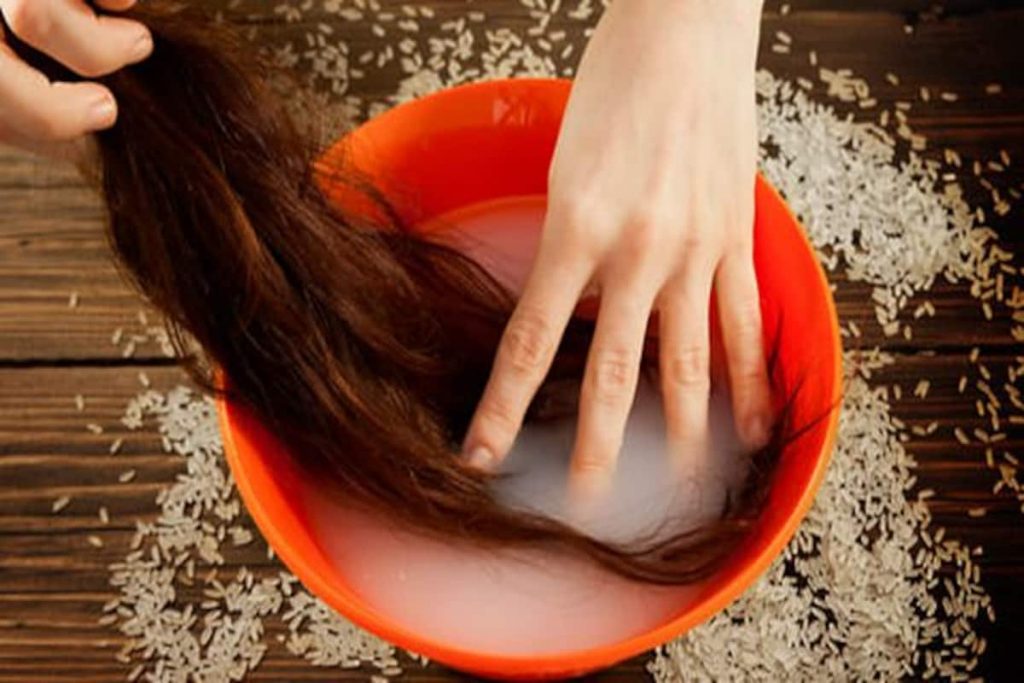
Rice is not only good for your appetite but also good for your hair.

Rice is full of nutrients like Vitamin B1, C and E which are beneficial for hair. It is believed that women from eastern countries have been using rice water since ages in their hair and skincare.

It can be brown or white rice whichever you prefer. In West Bengal you will easily find white as well as brown rice so it won’t be a big issue finding the correct rice for beauty treatment.

Rice water can be extracted in three ways. First is fermentation, second is boiling and third one is soaking. All the three methods will benefit the skin and hair as it contains the required quantity of nutrients which are necessary for supple skin and thick hair.
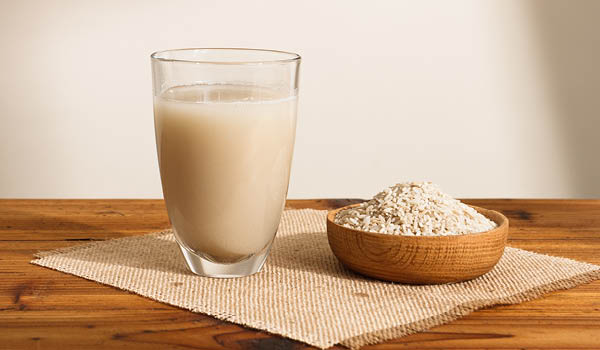
For the fermentation method you would require ½ cup of rice and soak it for 30 mins then after 30 mins strain it and keep it aside for 2 days. After 2 days there would be a sour smell which will indicate that the process is complete. After that put it in the refrigerator and when you are about to use it dilute it using 2 cups of warm water.

Another method which can be used to extract rice water is boiling method. This process is also very simple. You need to boil rice just as you do it for lunch, instead of throwing it away strain it into a container. After you are done with the shampoo, apply this boiled rice water and let it rest for about 20 mins on your scalp, after that gently massage your scalp and wash it off to get shiny hair.

Sometimes fresh rice water which is obtained by soaking method is also used for the conditioning hair. This can be a good alternative for the chemical based hair conditioner. For this method you will need ½ cup of rice which needs to be soaked for 30 mins then use that white water as a conditioner.

The mouthwatering golden Dosa – A recipe to make crispy pancake

Dosa is a pancake which is the most popular snack in all of South India, overtime it has become popular all over the country and globally too.

Here is the recipe to make the crispy pancake – Dosa is made of rice and urad dal. The ingredients are soaked, ground into the fine batter and allowed to ferment for 8- 10 hours. Next, add oil in a Tawa and slowly spread the batter to make the pancake. The Dosa can be enhanced in taste by topping it with spice powder and other ingredients like roasted coconut, chopped onions, chopped tomatoes, etc, while it is still cooking on the fire.

The beautiful golden color of moong dal Dosa is enough to make you tantalizing and get tempted to the mouthwatering aroma and taste. It is made of parboiled rice and moong dal to entice crispiness which can occur due to the blending of the fermented batter.

It tastes different from regular dosas as we use moong instead of urad dal and parboiled rice, you will love to have it for breakfast, lunch or dinner.

The parboiled variety is a rich source of B vitamin, niacin and thiamine. There are so many different types of rice, it can be tricky to figure out which one to eat – white rice, whole grain rice, brown rice. The list goes on and on but however parboiled rice has a distinctive feature that par-cooked rice and converted rice. One homemade plain dosa without oil contains about 112 calories, of which 84 percent is carbohydrates and 16 percent of proteins. The fermentation process increases the vitamin B and vitamin C content.

Consumers Awareness: Identifying the Quality of Rice

Parboiled rice is the most commonly sold and consumed type of rice grain available in the Bengal market. Apart from Bengal, Bihar, Jharkhand and Assam are some of the states which have a heavy population of parboiled rice eaters.

Consumers rely on the retailer’s word-of-mouth and purchases, whatever is suggested, ignorant of the actual facts.

Let us try and analyse the factors which degrades the quality of parboiled rice in the Indian markets, with particular focus on Bengal. Some of the popular variants of parboiled rice popular in Bengali households are banskathi, dudheshwar, miniketto name a few.

Banskathi

Dudeshwar

Miniket

The banskathi variant is a favourite amongst most as it yields milky white free flowing rice, which appeals to the taste buds of all. Consumers fall trap to the words of the retailer, without knowing the truth about the quality of the grain. However, there are certain factors which consumers must be knowing before they choose their grains.

Mixture: The primary cause which effects the quality of the rice grains is mixing. Once the rice leaves the manufacturers, they reach the market. In the market there are various traders who, adulterate the original variant of the grain with a lesser variety, to retain a better margin of profit. This reduces the quality which eventually affects the taste and texture of the rice grains.

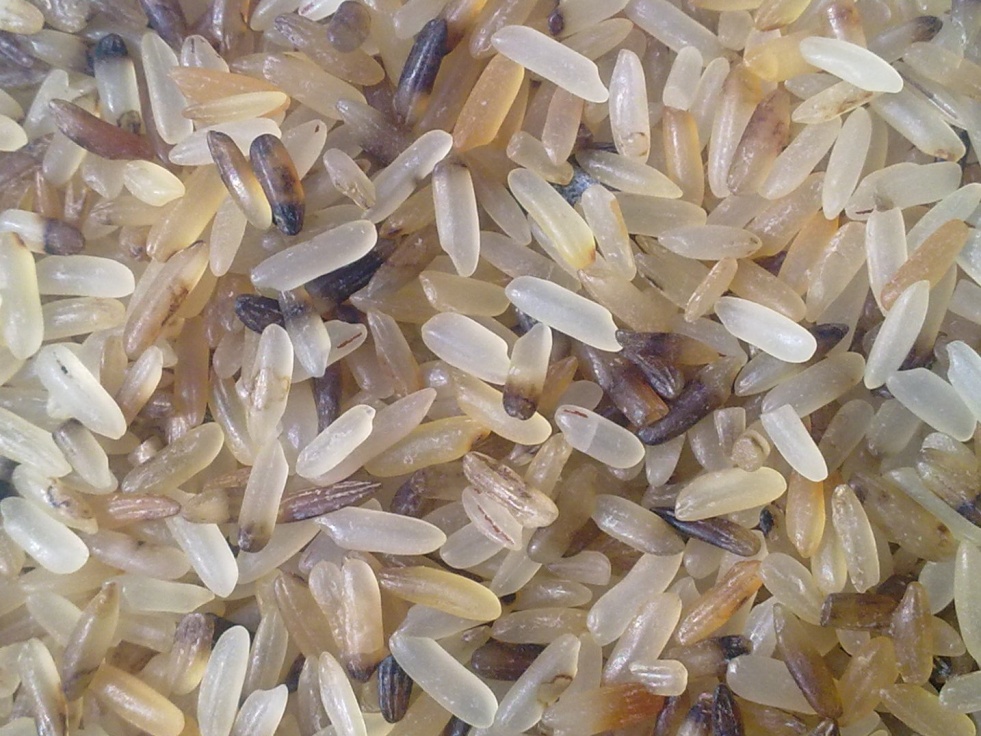
Damage and Discolouration: Another important factor the consumer need to understand is that during the processing of the rice grains, may grains are damaged and lose their original colour. These grains rather than being disposed off, are mixed with the good quality grains by one section of the market to ensure that profit percentage remains high.

Polish: Some grains of rice are extremely shining, which is not natural, some manufacturers add a powdered stuff to the rice grain to make it shine, which reduces the taste and quality of the rice grains. Also, such processes make the quality unhealthy for consumption. Most consumers are unaware that such practices are followed in the market, and ultimately harm their health.

Moisture: Moisture is another important factor which decides the quality of the rice. When the paddy is processed after harvest, the maximum amount of moisture is removed from the grains within 24 hours of harvest to ensure that the quality does not deteriorate. Most people are unaware of these factors affection the quality of rice.

Plastic Rice: Plastic rice or artificial rice, as it is called is broken rice grains, treated with micro nutrients and other cereals. It is just a replica of a rice grain.

Broken Rice: In many cases substandard quality of rice which breaks while processing is collected and further mixed with better quality of rice to help rice whole sellers keep better profit. Broken rice grains mixed with a superior quality of rice will lead to over cooking and finally give stick rice, which is always uncalled for.

The consumers must be aware of the above mentioned factors which affect the quality of rice, which ultimately yields poor quality of cooked rice, which in turn affects the taste as well. If the consumers are educated to enough to identify these problems in their rice, then markets will definitely improve and whole sellers and miscreants will have very less scope to tamper with the quality of rice.

Rice consumption in Bengal

Bengal and its people are known for their rice eating habits. An average Bengali consumes rice every day, some may even consume it twice or thrice a day. Bengalis belong to that community where rice is an integral factor not only in their diet but culture and tradition too. Having said that, do we Bengalis have enough knowledge about the product we are consuming?

The rice that is consumed on a daily basis is parboiled rice, which is once boiled with the husk, and follows a process of soaking, steaming and drying to attain best results. This process gives the grains its distinctive taste, texture and colour. With modernization, machinery is used to complete this process which enables better time management.

The average Bengali household consumes parboiled rice on a daily basis. It is only on special occasions when they eat the other long grained variant, better known as Basmati rice. For the average Bengali parboiled rice is comfort food. It is like their constant companion. Having said that, does the rice eating Bengali know what they are consuming? Usually, when a customer goes for his monthly refill of grocery, they simply ask for the availability, and distinguish on the basis of price, based on the retailer’s verdict.

However, it is important that the consumers learn what they are eating. Most people are not aware of the negative factors which reduce the quality of rice. People are aware of a few variant names of parboiled rice like miniket, 10:10, banskathi, and dudheshwar but only a limited section of people are aware of the process of categorization. It becomes imperative to educate the consumers about what they are consuming and how they can identify the problems, if any.

One of the leading rice merchants of Kolkata, Pragati Edibles has willingly shared their views on how good quality parboiled can be identified and ways of categorizing them.

Premium Banskathi: Pragati’s Gift Consumer’s Delight

Banskathi variant is one of most popular parboiled rice types available. It is a huge favourite among rich eaters of Bengal and its neighbouring states. Pragati rice has taken the initiative to bring the banskathi rice to every household while maintaining quality and class. The common man is acquainted with the name of the product, however a little more in depth knowledge about the food item they are consuming on a regular basis only.

Pragati ensures that their banskathi rice grains are sought from the best paddy fields across the nation, having high yield potentiality. The best rice grows on rich alluvium soil brought by the rivers with a lot of silt and loam. The paddy is then husked and hulled after harvest. The rice fields need to be rightly curated before the seeds are sown in. The rice fields have to be diagnosed timely to ensure there are no threats from pests and insects. Weed control is also an important factor to ensure there is no loss of yield. Some varieties of banskathi paddy growth are extremely sensitive to water, so the control on the supply of water in the paddy fields must be monitored to perfection.

Once the banskathi seeds are ripe it is ready for harvest which follows steps like reaping, threshing and hauling. Once the harvesting process is complete the grains need to be stored in the right conditions to ensure minimum loss. The grains are prone to get spoilt with adverse weather condition, rodents, birds and micro-organisms like fungi. The rice grains then undergo a process of drying whereby the moisture content of the banskathi rice grains are decided, which is a major factor in deciding the future of the quality of the rice. Drying needs to be done to perfection to ensure minimum damage and destruction of the rice grains. This follows milling, which is part of the post production process and involves husking the bran of the rice is need be and categorizing them as white rice or brown rice.

Many by-products of the paddy plants can be used successfully, by-products like rice straw, rice hulls and rice bran may be used to generate energy, in addition to being used as animal fodder.
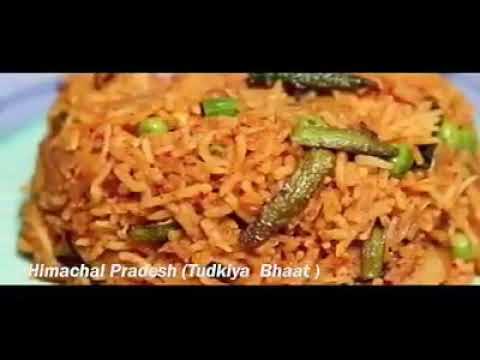
Left over Rice dessert recipes

Rice happens to be the most widely consumed staple food for a large part of the world’s population, especially in Asia. It is the agricultural commodity with the third-highest worldwide production. India is one of the principal rice-producing and rice-consuming countries of the world where people consume rice as a main part of their daily meals. Due to which rice is prepared every day in most Indian households which results in left over rice after meals are done with. Most of this leftover rice is thrown away and wasted. But have you ever realised that this leftover rice can be used in making a new dish? If not, we have two wonderful leftover rice recipes for you!

1. CHOCOLATE RICE PUDDING using leftover rice:
You can easily make a rich creamy dessert with the leftover rice that you were planning to throw away, with a few kitchen-staple ingredients. The ingredients used in this recipe are definitely there in your kitchen right now. Instead of tossing out the leftover rice, use it to make this easy leftover chocolate rice pudding.

Ingredients for this creamy, comforting, and chocolate loaded recipe:

  • 2 (1/2) cups  milk
  • 2 cups leftover cooked rice (white or brown)
  • 1/4 cup granulated sugar
  • 1/4 table spoon salt
  • 1/2 cup semi-sweet chocolate chips
  • 1 large egg
  • 1 table spoon vanilla extract
  • whipped cream for serving (optional)

Instructions for preparation:
Step 1: Mix 2 cups of milk, the left over rice, sugar, and salt in a medium saucepan. Bring it to a simmer over medium heat and cook for some time, stir often about 15 minutes until it has thickened slightly. Stir in the chocolate chips until it melts.

Step 2: In a bowl, whisk the egg and the remaining 1/2 cup milk. Slowly pour a ladleful of the hot rice mixture into the egg mixture. Pour the egg mixture back into the pot with the rice and cook. Stir it until it thickens and just comes to a boil. Remove from the heat and stir in the vanilla.

Step 3: Serve the pudding warm or chilled, with whipped cream and chocolate chips.

Special instruction: The pudding will thicken as it cools down. If it gets too thick in the refrigerator, add a little extra milk before serving.

2. BREAKFAST RICE PUDDING using leftover rice:
You can easily make a creamy rice pudding with coconut milk, cinnamon and brown sugar for breakfast. This dish is a healthy way to use leftover rice for breakfast. This is a sweet recipe which is delicious and easy to prepare. It is also a good after school snack or dessert if served cold!

Ingredients for this breakfast recipe:

  • 1/2 cup leftover cooked rice
  • 1/4 cup milk
  • 1/4 cup cream (or coconut milk)
  • 1/2 table spoon brown sugar or maple syrup(use according to taste)
  • 1/4 table spoon ground cardamom or nutmeg
  • 1/4 table spoon ground cinnamon
  • 1 pinch salt
  • Fruit of your choice for topping

Instructions for preparation:
Step 1: Mix the rice, milk, cream, brown sugar or maple syrup, cardamom, cinnamon, and salt in a saucepan.

Step 2: Heat the pan to medium-high and bring it to bubble.

Step 3: Turn down the heat to simmer.
Step 4: Cover it and simmer until the mixture becomes thick with pudding-like texture. (It’s going to take about 5 to 7 minutes)
Step 5: Top with fruit and more sweeteners, according to your choice.

Step 6: Serve the rice pudding hot, cold, or at room temperature.

Special instruction: Serve it chilled if you want to consume it as a dessert.

Benefits of Curd Rice in summer

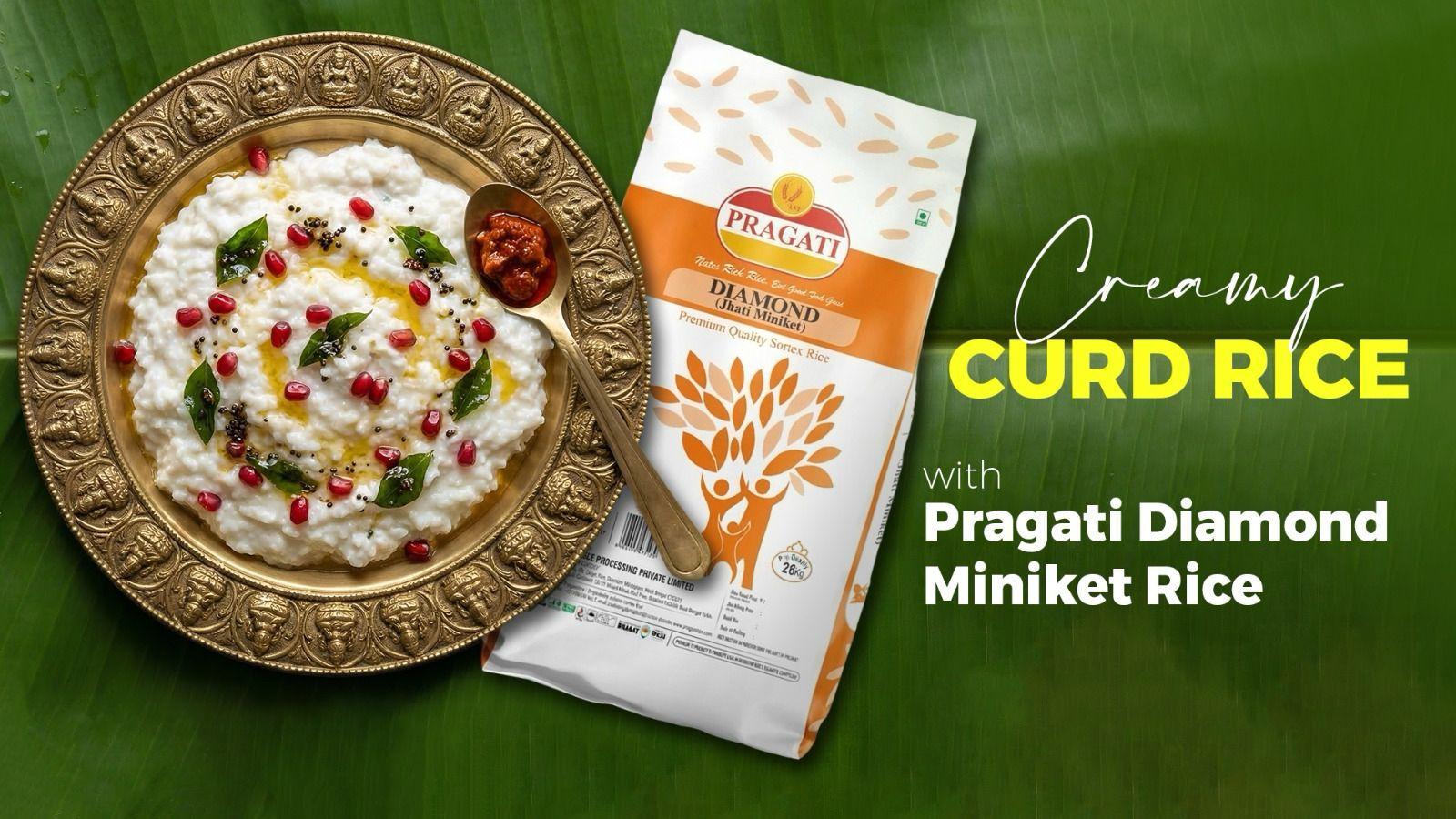
Curd Rice is considered to be one of the best ways to get rid of the typical summer weather because it brings down the body temperature and also cools your tummy after a hot or heavy meal. It is also a perfect end to meals for a lot of people. Though its origins can be traced to South India, curd rice is prepared and consumed throughout the country. It is the best medicine for an upset stomach and is beneficial to the body. The biggest advantage of this preparation is that it is too easy to make!

Health Benefits of Curd Rice:

  • It is a rich source of protein and also a good antioxidant and has high contents of calcium.
  • Curd Rice is a good source of magnesium and potassium which helps to reduce stomach cramps and pain.
  • It helps in digestion and thus is often consumed after a heavy or hot meal. Curd rice works perfectly against bloating and indigestion.
  • The probiotics in curd rice helps improve immunity and makes the body capable of fighting diseases even better. It also gives the body much needed energy when ill.
  • The probiotic bacteria and good fats found in curd rice can help reduce stress and can lift your mood.
  • Curd rice has negligible calories when compared to other preparations. This makes curd rice a good meal to indulge in when you’re attempting to lose weight.

Pan Fried Rice ball

Pan-fried Rice Balls are the classic recipe of Italy which is commonly known as Arancini. Stuffed with chicken, these succulent rice balls are such a treat . The rice balls are usually prepared with grain rice and coated with bread crumbs on the outer side with cheese inside. Peas and corn can be added to the stuffing. These cheesy rice balls are such a pleasure to eat and it’s going to be on your menu for evening snack as your kids are simply going to love the taste of cheesy rice balls.

We will talk about the simpler recipe here but it still makes a great snack or even a delicious side dish to any meat or fish curry. Add vegetable oil and herbs; you can also add a fried egg, if you wish.

Time taken: 15 mins
Preparation time: 5 mins
Cooking required: 10 mins
Yield: 2 servings

Nutrients Guidelines (per serving)

  • Calories: 987
  • Fat: 15g
  • Carbs: 191g
  • Protein: 18g

Ingredients:

  • 2 cups of steamed rice (leftover rice steam again)
  • 2 tablespoons flour
  • 1 tablespoon vegetable oil
  • Chicken breast, steamed and shredded
  • Sugar, salt for flavour and chilli pepper

Steps to make it

  • Gather the ingredients
  • Put the leftover steamed rice in a bowl, sprinkle flour over the rice and knead the mixture well.
  • Add a little bit of water.
  • Add a pinch of salt and sugar for flavour then add chilli pepper
  • Shape the rice into small, round pieces
  • Take some shredded chicken breasts and insert inside the round balls.
  • Heat the vegetable oil in a pan (mild heat)
  • Fry rice balls on low heat for a few minutes
  • Toss and turn and fry for a few more minutes, or until thoroughly cooked.
  • Turn the heat and fry until both sides are crispy.
  • Serve it with Honey and chilli pepper sauce.

Khao Niaow Ma Muang: Like a breath of fresh air during a summer afternoon

Summer, no one really likes this season but there are ways to make it better. As a child, summer meant leisure time at Grandma’s house, the smell of ripe mangoes and curd rice at  grandma’s place where she weaves love throughout the day!
So, if you like mangoes and/or rice, or you simply want to go back to the good old days you’re going to love this exotic Thai dessert.

Divine is the only way to describe the classic Thai dessert ‘Khao Niaow Ma Muang’. Khao Niaow means glutinous sticky rice, while Ma Muang means mango in Thai.

What you will need to make your afternoon meal better
1 cup Pragati Diamond rice

  • 1 1/2 cups water (divided)
  • 4 to 5 tablespoons brown sugar
  • 1/4 teaspoon salt
  • 1 can of coconut milk
  • 1 to 2 ripe mangoes
  1. Soak Pragati Diamond rice in 1 cup water for 20 to 30 minutes. Do not drain the water.
  2. Add 1/2 cup more water, plus 1/2 can coconut milk, salt, and 1 tablespoon brown sugar. Stir well. When it’s boiling gently partially cover with a lid.
  3. Reduce heat to medium-low, or just until you get a gentle simmer. Simmer until coconut water has been absorbed by the rice. Turn off the heat and leave the pot on the burner with the lid on for 5 to 10 minutes.
  4. Warm the rest of the coconut milk over medium-low heat for 5 minutes. Add 3 tablespoons brown sugar, stirring to dissolve. Taste the sauce for sweetness, add more sugar if desired.
  5. Prepare the mango by cutting it open and slicing it into  bite-size pieces.

Scoop the warm rice into a serving bowl, then drizzle the sweet coconut sauce over it.
Arrange mango slices on the rice and drizzle some more sauce. It’s the most famous of all the rice-based Thai desserts, and so very delicious. Enjoy!

Have You Ever Tried the Money Charm Technique?

We are all aware of the fact that rice is a symbol of wealth, fertility and prosperity since time immemorial. However, are you aware that rice itself can be used to attract or manifest more money in the household?
Sounds intriguing, right?

Since rice is of spiritual significance, it is imperative to keep it in the best possible canister that is available in the market. This symbolizes that you not only care about the idea of wealth but also respect the significance of wealth. The money charm technique is an ancient ritual which helps in the attrition of more money. According to this procedure, a layer of rice is first placed in the jar, following which the coins are placed. Then the rest of the jar is filled up with remaining rice and the lid is closed. In this way, more than one jar is filled up, and after the conclusion of this process, the jars are kept at the back of the closed doors. This is important in the money charm technique as it represents that the person cares about the wealth in the household. If you have complete faith in the process, you are sure to achieve success. It is believed that this technique is a representation of the abundance mindset and that a signal is sent to the universe showing gratitude for the amount of wealth one has procured over time.

After the conclusion of one year, the rice canister or jar may be replaced. The main idea behind the incorporation of the abundance principle is the fact that humidity in the air helps in the swelling of rice. This in a way is significant for the increase of the wealth in the household as the income will also swell. In order to give the charm an added kick, the rice should be changed after every year. Moreover, gold or green candle can be kindled next to the jar to bring more luck through the process.

This technique opens up new opportunities for the person, providing him or her with a new interview, or job scopes. There are several other techniques that are associated with attracting wealth in the household but the prevalence of this method can be traced back to the time when the cultivation of rice started in Southeast Asia and in India. However, it is essential that a holistic approach is adopted for the management of wealth. Philosophical and practical knowledge is required to make initiatives worthwhile.

Rice has been and will continue to be the staple diet of the population in addition to the spiritual aspect. It is believed that rice and wealth will flourish if one has complete faith in the money charm technique and use it efficiently. If you happen to try this technique in the future, do let us know the steps you take in order to achieve the miracle!

A single grain of rice can tip the scale”- Mulan (Emperor of China).