All posts by admin

One New Year’s Resolution for the betterment of your health

Switch to healthy rice for a healthy life!

If you are thinking to add some more resolutions to your new year list, do not forget to add this one. Are always feared of getting unhealthy after eating rice? Then you need to make a change. Not all rice is bad for health. Rice may become more enjoyable to consume if you pick rice that not only satisfies your desire for rice but is also highly nutritious for you.

Different kinds of rice affect your body in a different ways, it is therefore important to make sure you choose the finest quality rice. The majority of us are aware that eating rice has a variety of health advantages, but few are aware of what they are. Even if the advantages of rice aren’t entirely understood, one thing is certain: it tastes great! Who doesn’t like a delicious bowl of rice?

It’s a delicious side dish or main meal that pairs with a wide range of dishes, including meat, tofu, vegetables, and more! Whether you’re a health-conscious eater or simply love eating high-quality rice, you won’t be able to stop eating this rice, and we’ll explain why.
We are here to bust the biggest myths of all time about eating rice.

MYTH 1: Rice has a high gluten content

FACT: A common misconception of rice is that it has a lot of gluten. But the fact is that rice is gluten-free and does not cause the same kind of allergies as other grains. Gluten-containing foods are harmful to those with diabetes and those who are attempting to reduce weight.

MYTH 2: Rice Makes you Fat

FACT: This myth is most likely why today’s popular fad diets forbid rice consumption completely. This is not the case, though. What makes rice a healthy and safe food? Rice is a low-fat, cholesterol-free, and easily digestible meal. It contains a lot of carbs and is, therefore, a good source of energy.

MYTH 3: Rice in Dinner Make you Unhealthy

FACT: The fact is that rice is easy to digest and is helpful in improving the quality of sleep. It increases leptin sensitivity. Leptin is produced by fatty tissue which regulates fat storage in the body. Moreover, foods high in carbs can be eaten at night as they get metabolized into glucose. At night, glucose gets more readily converted into energy. When grains like rice are taken during the day, the glucose is more easily converted to fat.

MYTH 4: Rice is difficult to digest

FACT: The exact opposite of his misperception is correct. Rice is easily absorbed by the human body’s digestive enzymes. According to The Times of India, rice is a prebiotic, or nourishment for probiotic microorganisms. Rice can aid in the development of a robust stomach and the alleviation of constipation. Rice is helpful to all three doshas, according to Ayurveda: pitta, Vata, and Kapha.

MYTH 5: Brown rice is healthier than white rice

FACT: Brown rice may be regarded healthier due to its high fiber content. One of the reasons why fitness experts prefer brown rice to white rice is because of this reason only. Brown rice, on the other hand, may hinder the absorption of several minerals in the body, such as zinc, due to its high fiber content. These minerals are required for insulin action in the body. Hand-pounded single polished white rice is completely healthy to eat.
Brown rice may impair the body’s ability to absorb certain nutrients.

MYTH 6: Diabetics should not have rice

FACT: In India, rice is frequently served with Dahi, sabzi, dal, or ghee. When rice is consumed in specific combinations, the glycaemic index of meals is decreased. Rice is thus completely safe to eat for diabetes. It should be stressed, however, that this does not imply that diabetics may consume as much rice as they like. Excessive consumption of anything is dangerous, however, rice consumption is safe as long as it is done in moderation.

Why Choose Pragati Rice?
Are you looking for the best quality rice to start your New Year with? If you answered yes, then Pragati Rice is probably the best match for you. The multiple assortments of Pragati Rice are processed very hygienically, making it extremely nutritious for consumption. Being one of India’s most renowned rice brands it strives to provide premium rice while preserving the rice’s inherent freshness and smell.
 

Rice Is fattening, It’s A Common Myth We All Know

Is rice fattening?

This is the most common concern among all the rice lovers out there. Actually, this is a nice doubt, to make you understand everything that this article talks about.

Does Rice Really Make You Fat?

In a huge part of our society, rice is considered as fattening food. Is it really true? Well! Modern researches and studies tell that rice is one of the richest sources of protein and doesn’t make you fat.

We cannot deny the fact that rice is considered as a dietary staple across many states. Rice is even a good source of energy as it offers various fundamental supplements, including fiber and B vitamins. Being starch-rich nourishment, rice is regularly connected to weight pick up. At the same time, at any rate on account of rice, some exploration demonstrates that it isn’t probably going to influence you to fat. Any sustenance eaten to abundance may cause weight pick up so instead of avoiding the food, it is better to be careful of your serving sizes.

There are many people out there who eat rice regularly and still have a fit, slim body. In the eastern and southern parts of the country, people eat mounds of rice 3 times a day even for breakfast and don’t get fat at all. They are very thin and have hard bodies.

Thus we can say it’s a pure myth that rice makes you fat.

Also, the myth that “rice makes you fat” is more common in the North because people here tend to eat more fried and oily food. They don’t just eat rice in its normal form but after frying it with a lot of oil and clarified butter (Ghee).

The entire glycemic index cannot be applied to everyone as there are other factors too that play an important part. For example, the type of rice and its fibrous content. It is always advisable to go for parboiled rice.

 Rice a Quick Source of Energy

It is believed that rice is comparatively easier to digest and gets converted into energy very quickly. And further, it keeps you active throughout the day.

However, in some cases, rice can also lead you to put on weight, for example, if you lead a sedentary lifestyle, there’s a possibility that eating rice may lead to weight gain. So generalizing the fact that rice makes you fat is just not right. Or even if it makes you fat, that’s because of your unhealthy lifestyle. And if you’re practicing a bad lifestyle where you don’t do physical activity at all and keep sitting at a place for hours after earring, then not just rice but everything can make your mat.

Since rice is a high carb food, the human body can digest it easily. So it will get converted to glycogen much faster. Experts consider rice as a superfood when compared to wheat which digests slowly causes bloating, and is full of pesticides.

Lastly, you should also make sure that the rice you’re eating is of good quality and is non-Powder polished. Ensure that you’re buying the right quality rice from a trusted manufacturer and supplier of rice.

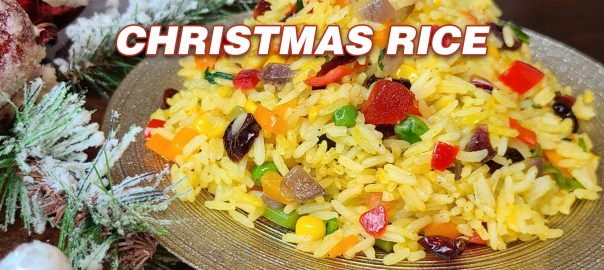
Christmas Rice

It’s that time of year again, yep, it’s Christmas time, our favorite season! This momentous occasion necessitates unique Pragti Rice dishes. Your friends and family will absolutely love you for making this Christmas rice and saving them from having to eat yet another nut bake. This Christmas meal is undoubtedly filling, with a variety of textures and flavors to match.

INGREDIENTS
•  500g parboiled Pragti rice
•  6 cups vegetable stock
•  300g fine green beans, cut into 2.5cm (1in) pieces
•  2 onions, finely chopped
•  2 tbsp vegetable oil
•  1 tsp mixed spice
•  100g pecan halves
•  100g cashews, roasted and salted
•  100g dried cranberries
•  1 pomegranate, seeds only
•  4 tbsp flat-leaf parsley, washed and chopped

DIRECTIONS
•  Cook the beans for 10 minutes or until cooked in salted water. Drain the water and set it aside to cool.
•  Next, sauté the onions in the oil in a large casserole dish until they are browned and softened.
•  Stir in the beans, rice, and combine spices with the onions.
•  Combine the pecans, cashews, and cranberries in a mixing bowl.
•  Garnish with pomegranate seeds and parsley before serving.
•  And voila, your dish is ready!

NOTES
Begin by combining all of the ingredients for this Christmas rice in a large mixing bowl. If you’re looking for a low-carb side dish, go light on the rice and big on the veggies and almonds. However, because it is parboiled rice, the rice itself is a healthier alternative.

You’ll enjoy the texture of the rice, and when you bite into it, it’ll pop in your mouth and give you the finest rice flavor you’ve ever had. ‘Excellent source of protein. Pecans and cashews are high in excellent fats and oils, which are good for the body and fill you up. Almonds, macadamia nuts, chestnuts, or even pistachios can be used in place of these nuts. Use unsalted, raw cashews for a healthier option.

This Christmas rice pairs well with mixed spice, which is a blend of nutmeg, cinnamon, and cloves. You can use a lot of it or just a little bit. You’re in command!

We suggest adding dried cranberries into the rice and sprinkled fresh pomegranate seeds on top of the Christmas rice for the fruit. These provide a beautiful fruity note to the meal while also adding a little bitterness. If you wish to make a substitution, use an acidic fruit. This might be dried apples, apricots, raisins, or figs.

You may make a variety of alternatives, depending on your taste buds and preferences. Dried apricots would go great with the savory tastes of the Christmas rice, in our opinion. Don’t forget to garnish with fresh parsley.

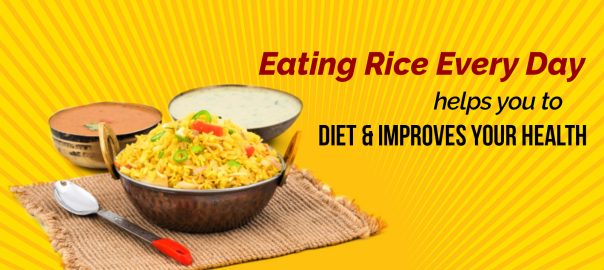
Eating rice every day helps you to diet and also improves your health

Rice is an integral part of our daily meals. People love to consume rice either with curry or fry them with a dash of herbs and veggies. But what if we tell you that including rice in your daily diet can help you balance your daily food intake and at the same time help in improving your health. Yes! You read that right. Rice can be a good alternative if you are thinking to begin a diet and improving your health at the same time. Let us explore why we are laying so much emphasis on the inclusion of rice in your diet.

Why should you include rice in your daily meals?

Intake of rice along with daily meals can help you fulfil your body’s carbohydrates need and also act as a good source of energy. Rice has an ample amount of calories, vitamins, minerals, and fibres that can help you maintain a balanced diet. People often think that rice may lead to an increase in weight, but it’s the other way round. Being a source of multivitamins and nutrients, rice can be a healthy choice for improving your health.

How does rice help in dieting?

So, if you are planning to start a diet, then you must consider including rice in it. Consuming rice instigates a feeling of fullness and gives a sense of satisfying hunger. Thus, including a portion of rice in your daily meals can help you improve your health. Rice is rich in magnesium, phosphorous and thus, fulfils the needs of your body amply. Rice can give you that feeling of fulfilment with little consumption, thus, playing with your psychology, can help you in your dieting plan,

Prefer Quality over Quantity

People are often ignorant of the fact that rice comes in multiple variants in the market. White rice is polished with poisonous substances. This rice can lead to severe health issues. Thus, try to avoid polished rice and instead include brown rice, parboiled rice, or basmati rice in your diet. Ensure that you avoid any form of polished rice and resort to organically grown parboiled rice, which is a good source of minerals and energy.

Pandemic and Health

The COVID outbreak has revolutionized the conventional methods and so we need to revamp our food intakes as well, to adapt to the change. We must ensure that we consume food that is healthy and nutritious at the same time. Thus, try consuming rice which is rich in nutrients. Try to avoid polished rice and instead use parboiled rice. Every 100 grams of parboiled rice contains 7.6 grams of proteins and 3.5 grams of dietary fibre. Therefore, including parboiled rice can be a great measure towards improving your health.

Why should you choose us?

We are the pioneer in providing quality rice that is free from all kinds of chemicals. We are a trusted manufacturer & supplier of rice. We provide a wide range of varieties like brown rice, basmati rice, idly rice, Gobindobhog, and rice which is cholesterol-free.

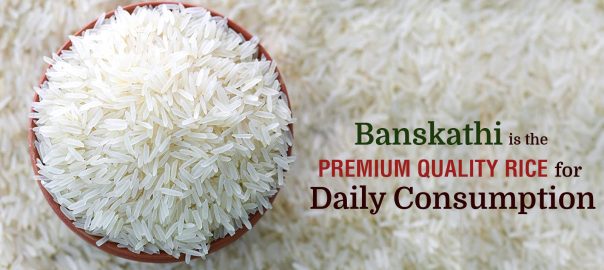
Banskathi Rice The Premium Quality Rice For Daily Consumption

Rice makes a meal complete and it is, therefore, important to have the best quality. Nowadays, food adulteration is prevailing to a greater extent and so one should wisely choose the quality of rice being used.

Food and nutrition are very essential for the efficient functioning of our body. We need to supply nutrients to our bodies on a daily basis for sustaining them. Rice is a part of our diet which contains a good amount of calcium and iron and is also a good source of energy and carbohydrates.

Banskathi rice is premium quality rice that can be used for daily consumption as a staple food. It is long-grain, dust, and stone-free has high nutrition content, is 100% pure with a mouth-watering aroma, and provides you with that feeling of contentment and fulfilment.

Its specialty is that it is organic and gluten-free and makes it healthier for consumption. It has a shelf life of 1 year that makes it suitable for storing purposes also.

Having the origin of West Bengal it is available in both brown as well as white colour. Brown Banskathi rice is highly preferred for dieting and weight loss as they have low carb content and are low in calories as well. Banskathi rice is manufactured and supplied keeping in mind all the sanitary measures.

When it comes to quality rice Banskathi is the one you should choose. Rice is cultivated in more than a hundred countries of the world producing more than 700 tons of rice annually. China is by far the biggest producer. India with a population of 1.27 billion is the world’s second-most populous country and is the second-largest producer of rice. In southern and western India Rice is the staple food.

Intake of powder-polished rice should be avoided and non-polished rice should be taken. Banskathi rice is the best for consumption as it has no powder-polished rice.

Rice virtually contains no fat or sugar. Cooked rice contains a lot of water, comprising 70% of its total weight.

Banskathi rice has a high nutritional value containing 2.36g (5%) of protein, other vitamins like pantothenic acid, folate, and vitamin E. It also contains minerals like folic acid, B vitamins (thiamin, niacin, and riboflavin), potassium, magnesium, selenium, fibre, iron, and zinc. White rice can contain a considerable amount of Magnesium and Phosphorus content.

There is a very big myth about rice that it has a very large fat content in it. Rice usually does not contain that high amount of fat content instead it’s a full package of vitamins and minerals. Rice adds taste to our food and gives us pleasure.

And Banskathi rice provides you with that pleasure and feeling of being satisfied. It is one of the best rice and provides you with all the nutrition and health benefits. After all, rice means Banskathi. So the next time you visit any supermarket for buying rice, don’t forget to add Banskathi to your basket.

Purono Chaal Bhaat-e bare

There is an old saying in the Bengali language which goes like “Purono chaal bhaat-e bare” which basically signifies the triumph of experience in life under difficult circumstances. Be that as it may, the proverb really incites curiosity about its feasibility in the practical sense. So without further ado let’s just delve into the business of taking a closer look at the process of parboiling and its effect on cooked rice.

What is parboiling of rice?
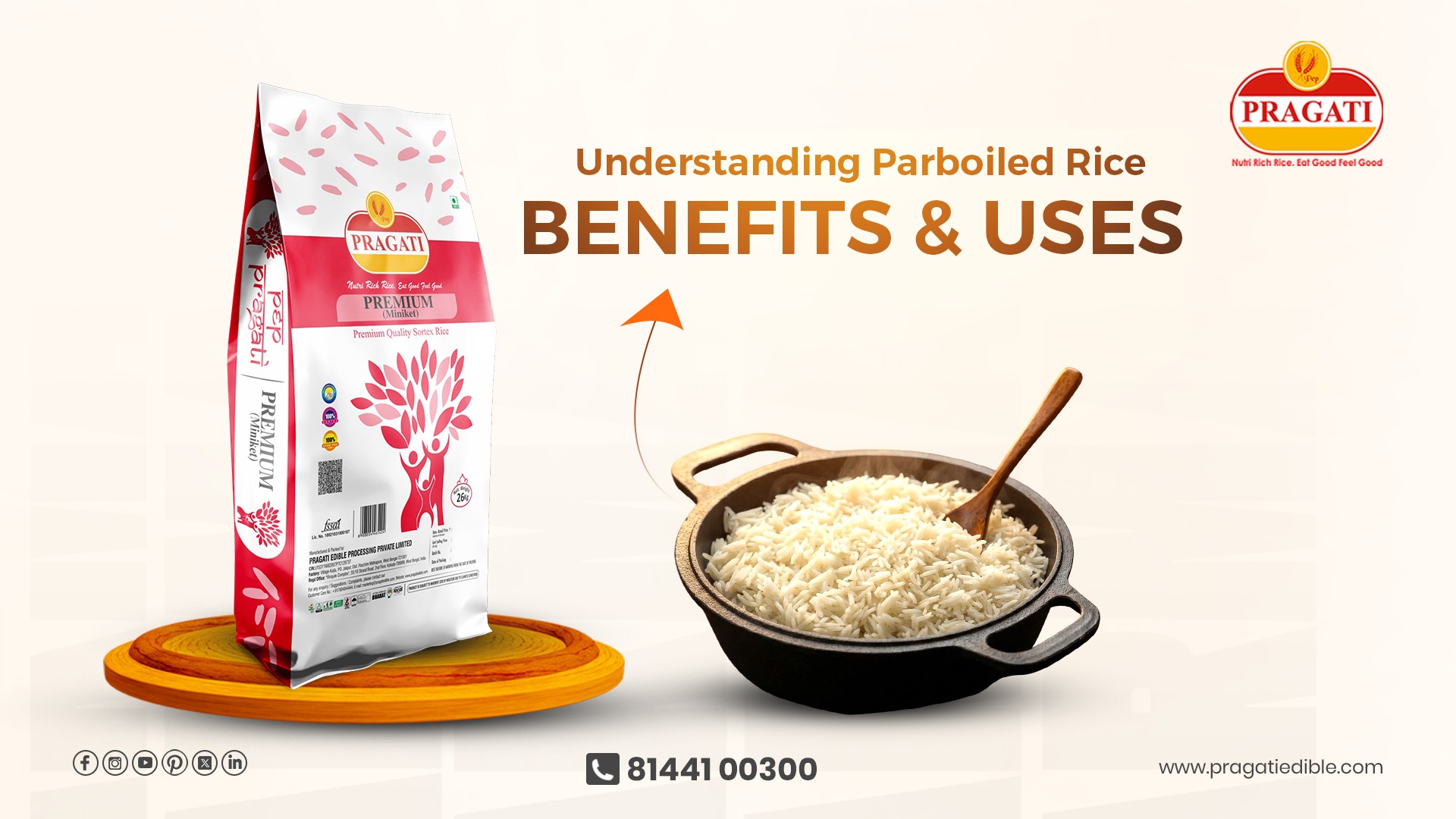
Parboiling is the process of partially cooking the grains of rice before it is milled or the inedible outer husk is removed. Parboiling is an ancient practice in many cultures around the world and is a great way to enhance the texture, health benefits, and storage of rice. Parboiled rice or converted rice appears transparent and light yellow in color.

Steps of parboiling
Parboiling comprises of three distinct stages namely:
1) Soaking- The stage where freshly harvested and unmilled rice grains are soaked in warm water to increase their moisture content.
2) Steaming- This is the most important phase where the rice is steamed to convert the starch into a gel-like substance.
3) Drying- This is the final step of the parboiling process where the previously steamed rice is slowly dried to reduce the moisture content. Drying makes the process of milling of the rice grains much easier.

Parboiling and its effect on the quantity of cooked rice
While cooking parboiled rice, water gets absorbed by the grains and the heat softens the starch present in rice which causes it to expand in volume. In theory, boiling 1 cup of parboiled rice in 2-2.5 cups of water may produce 3-4 cups of cooked rice. It has however been observed that parboiled rice kept on the shelf for too long has a tendency to absorb and retain a greater quantity of water thereby causing the volume of cooked rice to get increased a bit more than under normal circumstances.

Nutrition
Pragati rice is a master at the production of perfectly parboiled rice that provides immense nutrition when consumed daily. The process of parboiling at Pragati is highly regulated and administered for the water-soluble nutrients present in rice grains to migrate from the bran of the kernel to the starch-rich endosperm. This dials down the loss of nutrients that generally takes place during refining when cooking rice. So selecting from the range of Pragati parboiled rice products is a great way to add an extra dosage of nutrition to the daily meal.

Upsides to parboiling
Consumption of parboiled rice has various benefits associated with its effects on health, cooking process, and storage. The most prominent of them are:
• The significant reduction of the starch content of rice during parboiling yields less sticky, fluffy, and separated rice when cooked.
• Parboiling prevents rice from going rancid thus increasing its shelf life exponentially.
• Consumption of parboiled rice is great for gut health. This is because the fermentation of parboiled rice in the small intestine leads to the formation of probiotics.
• Parboiled rice prevents the elevation of blood sugar levels owing to its greater protein content and resistant starch.

The right way of making Rice

Our country’s obsession with rice is an open secret to the rest of the world. But if you find yourself struggling to get your rice perfectly made every single time, know that you are not alone. Considering the frequency of times rice is cooked at each of our households, the “rice-related kitchen misadventures” never seem to cease. Nobody wants to serve or get served sticky, lumpy, textured, or unevenly cooked white rice as meals, and therein lays the problem. Believe it or not, there are a handful of very common rules that most of us end messing up while cooking rice. So let’s all take a deep dive into this issue and try to perfect our techniques of “cooking white rice” before firing up the stoves.

Common mistakes
1. Carry over cooking
Most of us don’t let the rice out of its pot after we are done cooking it. This way we end up with overcooked and mushy porridge-like rice on our plates.
2. Stirring
Some people are in the habit of stirring rice continuously while cooking to stop the grains from clumping up together. Stirring forms a layer of starch at the bottom of the utensil causing the rice to stick and burn.
3. Too high heat
Cooking rice at a very high temperature leaves the grains of rice raw in the center.
4. Lifting the lid
Lifting the lid of the utensil now and again causes the rice to lose the extra heat and steam that is necessary for it to get cooked through and reach the ideal texture.

The right way
For the first part, the rice must be washed properly till the water runs clear. Once rinsed, the rice must be and soaked for 20-30 minutes prior to cooking. The ratio of rice to water should be kept at 1:5. Next, this mixture of rice and water should be transferred to a heavy-bottomed utensil and placed on medium heat. The lid of the utensil should be firmly set into place after the water comes to a rolling boil. After about 15-20 minutes when the rice has doubled in volume, it should be taken off the heat. Finally, the starchy excess water mostly accumulated at the top should be drained away by gently tilting the utensil at an angle. The rice should be ready to be served after it has been fluffed up using a spoon or a fork.

The way to safety
For best results, one should always serve rice immediately after it has been cooked. Storing rice in the refrigerator no more than 24 hours until reheating is also considered a great way to enjoy rice.

The product itself
Irrespective of what procedure we follow while cooking rice, choosing the right product makes a world of difference. Pragati rice is the manufacturer of superior quality non-basmati rice that is unparalleled in its flavor, freshness, and fragrance. Now you can get a taste of fluffy and perfectly separated grains every single time just by picking up a pack of Pragati rice at your local supermarket.
Enjoy!!

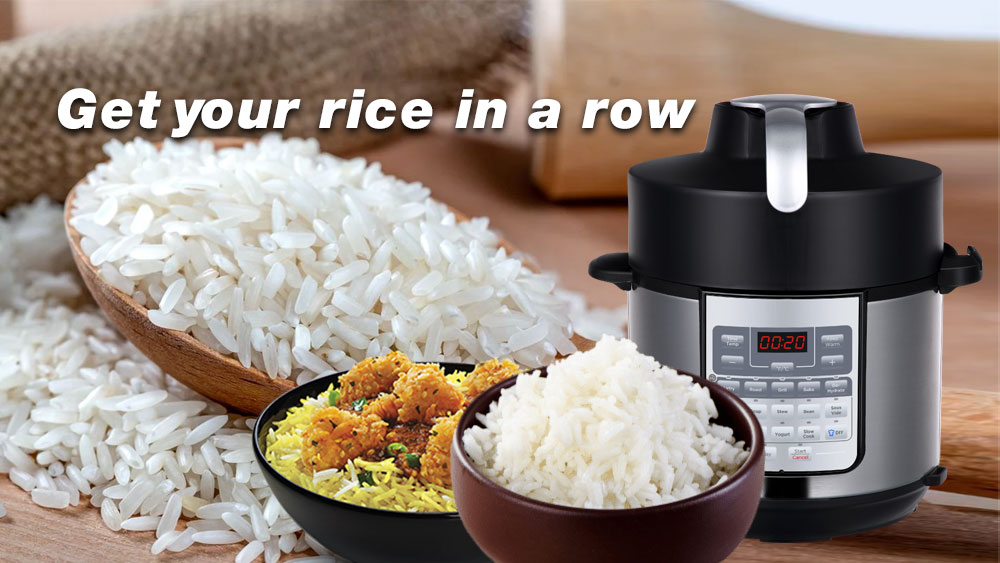
Get your rice in a row

The benefits of a pressure cooker are absolutely undoubtedly endless. No other kitchen appliance holds a candle to a pressure cooker when it comes to cooking food in a time crunch. But the handy features of a pressure cooker may not be applicable to boiling rice although it is a popular domestic practice in Indian households. Dieticians and other health professionals have voiced several concerns about cooking rice in a pressure cooker that needs to be properly addressed in one way or the other.

Popular Theories:
There are lots of conjectures around preparing rice in a pressure cooker. While a lot of sources reject the claims of alleged health detriments associated with cooking rice in a pressure cooker, a considerable number of them forbid people to take the easy route. It is safe to say that the jury is still out on the issue. However, it would not be right to defer a quick and prompt judgment before acquainting oneself with a few popular theories that vote for or against “Boiling rice in a pressure cooker”.

Some nutritionist believes that pressure cooking rice may lead to the loss of beneficial properties as opposed to a few others who find no fault with it. Starch-rich food like rice releases a harmful compound called “acrylamide” when seethed in a pressure cooker.

Another cause for concern is the fact that it is not always possible to drain away from the excess water (de-starching) while cooking rice in a pressure cooker. Skipping this step may lead to significant weight gain.

Side Effects:
Regularly consuming rice cooked in a pressure cooker may pave the way for health issues like cancer, neurological disorders, obesity, and infertility in both males and females. So adopting the fuss-free practice of pressure cooking rice may not be the best choice for your family.

The Right Way:
Instead, consider taking the healthier avenue when it comes to selecting your rice. Slow cooking Pragati rice in utensils like a rice cooker or the traditional “handi” may prove to be a great solution for all health-related worries. Pragati rice offers a variety of options to choose from right from the sprawling paddy fields of Bengal. Pragati earnestly aims to achieve the highest possible standard in all stages of rice production ranging from preparation, plantation, and harvest of the crop to milling and packaging of the finished product.
Pragati truly promises and delivers superior quality products at the most affordable of prices. Presently, Pragati’s popular products include Banskati, Miniket, Swarna, N-Shankar, Rupali Steam, and many more.

Trap The Nutrition:
Pragati rice is carb-rich and loaded with other nutrients like proteins and fats. It can also be considered a great source of electrolytes like sodium and potassium. Pragati rice products are absolutely gluten-free and help in the restoration of glycogen levels post vigorous physical exertion and exercise. It is easy to digest and can be helpful in the maintenance of a healthy weight. Patients suffering from chronic illnesses like Crohn’s disease or diverticulitis may find Pragati rice to be an excellent meal choice.

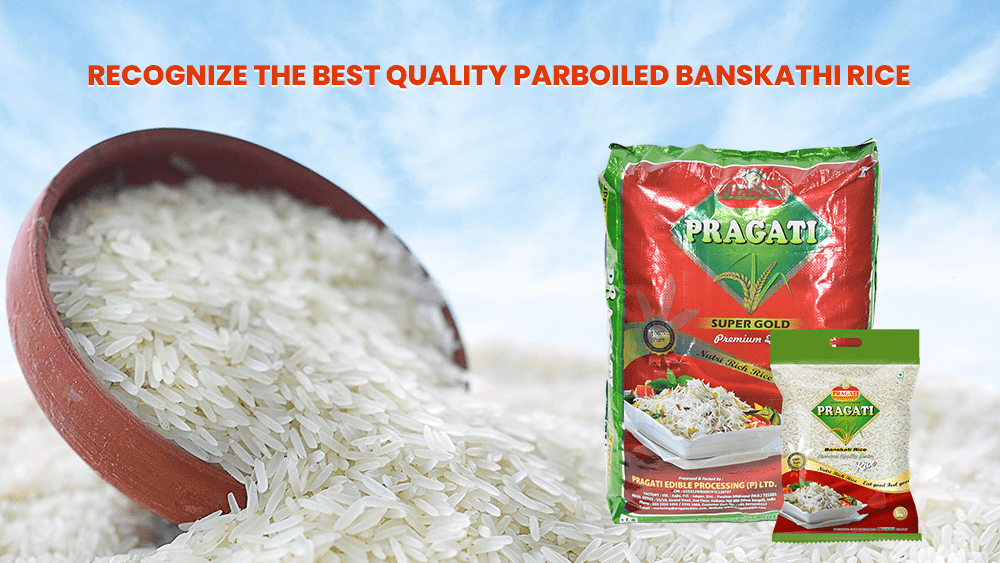
Recognize the best quality Parboiled Banskathi Rice

What exactly is the parboiled banskathi rice?

Parboiled Banskathi rice is basically partially precooked banskathi rice. The intricate process of parboiling the rice entails soaking, steaming and drying of the banskathi rice still encased within its inedible outer husk. The banskathi rice itself is considered the best for regular consumption. It is premium quality non-basmati rice characterized by its sublime aroma and taste. In a country like India, the parboiled Banskathi rice plays the perfect mate to the gastronomical creations of pretty much every ethnic group.

Amazing nutritional value of Parboiled Banskathi Rice

A standard serving of parboiled banskathi rice contains comparatively lesser amount of carbohydrates and higher content of protein and fiber that exponentially enhances its nutritional value. Besides, parboiled banskathi rice also contains traces of iron and calcium.

Health benefits of parboiled banskathi rice

It is a well known fact the regular consumption of parboiled banskathi rice promotes healthier gut. It is an excellent prebiotic that boosts the growth of good bacteria in the gut that positively affects the gut making it helpful in irritable bowel syndrome and chronic constipation.

For individuals plagued by the symptoms of diabetes, this particular type of rice hardly impacts the blood sugar level making it a healthier choice. It also improves metabolism in some cases which prevents obesity.

Other health benefits of parboiled Banskathi rice includes lowered blood pressure, risks of cancer and Alzheimer’s disease. Studies have also shown marked improvement in overall skin and cardiovascular health.

Accessing the quality of parboiled banskathi rice-

The unique features of the rice grains that ensures its premium quality are-

  • Size of the grains- The individual size of the grains must be between 7.3mm to 7.5mm. This is the standard measurement and an indicator of good quality.
  • Shape of the grain- The parboiled banskathi rice grains can be thin and elongated as well as short and stubby. A consumer must pick the former variety as it is suitable for use in a handful of recipes like biriyani and pulao. This kind also evidently tastes better.
  • Color- The grains of the rice should bear a yellowish tinge because of the parboiling.
  • Naturally grown Midnapore district of west Bengal – The banskathi rice is generally grown in the lush paddy fields of West Bengal. A great quality batch of parboiled banskathi rice is grown in natural condition devoid of artificial influences.
  • Prolonged Shelf life- The shelf life as declared on the packaging should be longer than the usual. The longer a batch of rice can retain its freshness on preservation the more it hints at premium quality.
  • Aroma- A single whiff of a handful of parboiled banskathi rice should emanate a rich fragrance which is a qualifier for good standard.
  • Disease free- The rice should be certifiably free of any blight or diseases which decrease its nutritional value.
  • Taste- The thoroughly cooked rice is supposed to have a rich taste and should not feel overly chewy which is the ultimate test of its quality.

IT’S RAINING RICE!

Rice is the absolute uncontested staple food of millions of Indians. As a country, India has secured a lofty rank in the list of “the world largest rice producers” and continues to hold the position for quite some time now. Recent data shows that one-third of the total cultivated area of the nation is dedicated to rice cultivation. So unsurprisingly, agronomists all across the Indian subcontinent are found preparing vast stretches of fertile agricultural farmlands for sowing of the paddy seedlings between the months of June and July which marks the beginning of the monsoon season in the country.

Growing Conditions of rice

Rice is one of the most principal kharif crops of our country which in simpler terms, conveys that it thrives during the monsoon season. This is mainly due to the fact that the optimum temperature that permits the proper growth of paddy or rice is about 25ºC-26ºC. This should be accompanied by at least 100 cm of rainfall under ideal circumstances. So it is safe to say that rice is best suited to geographic zones that experience a combination of both hot and humid climatic conditions.

Importance of monsoon

Rice is cultivated all through the expansive length and breadth of India. But the states of West Bengal, Punjab and Uttar Pradesh are considered the top producers of the crop. The traditional practice of planting paddy seeds at the beginning of the rainy season is not only perpetuated by age old convention but also backed up by steadfast logic and science.

Rice is heavily reliant on an assured supply of water that cannot be achieved only through irrigation. So, the quantity of rainfall during the monsoons season actually decides the production number of the crop. The southwest monsoon that makes its way up to all corners of the country by the beginning of the month of July also offers favorable temperature for paddy cultivation.

Rice as the staple food of India

Rice can easily be acknowledged as a master food crop of the developing world. This is because it is considered the staple food of a major chunk of the world population including the entirety of the country of India from Kashmir to Kanyakumari. Parboiled rice has been noted as the most popular variety of rice consumed by the people in our country as well as a commonly exported commodity.

Nutritional value of rice

Rice is great store of complex carbohydrates. It is also considered a well known reservoir holding many important nutrients, vitamins and minerals. Regular consumption of rice can even help to combat various illnesses and improve overall health.

Benefits of eating rice

Rice is so well accommodated by Indian palates mainly because it acts as a fuel for the body for being so rich in carbohydrates. Consuming a sizable portion of rice as a major meal may prove to be extremely filling and nutritious. It enables an individual to stay fit and active throughout a day without any disturbances induced by lethargy or fatigue.